2026 Oscar-Winning Short Film: The Singers
How powerful can a story be when it is stripped to the bare essentials of just a room, a handful of people and raw human voice?
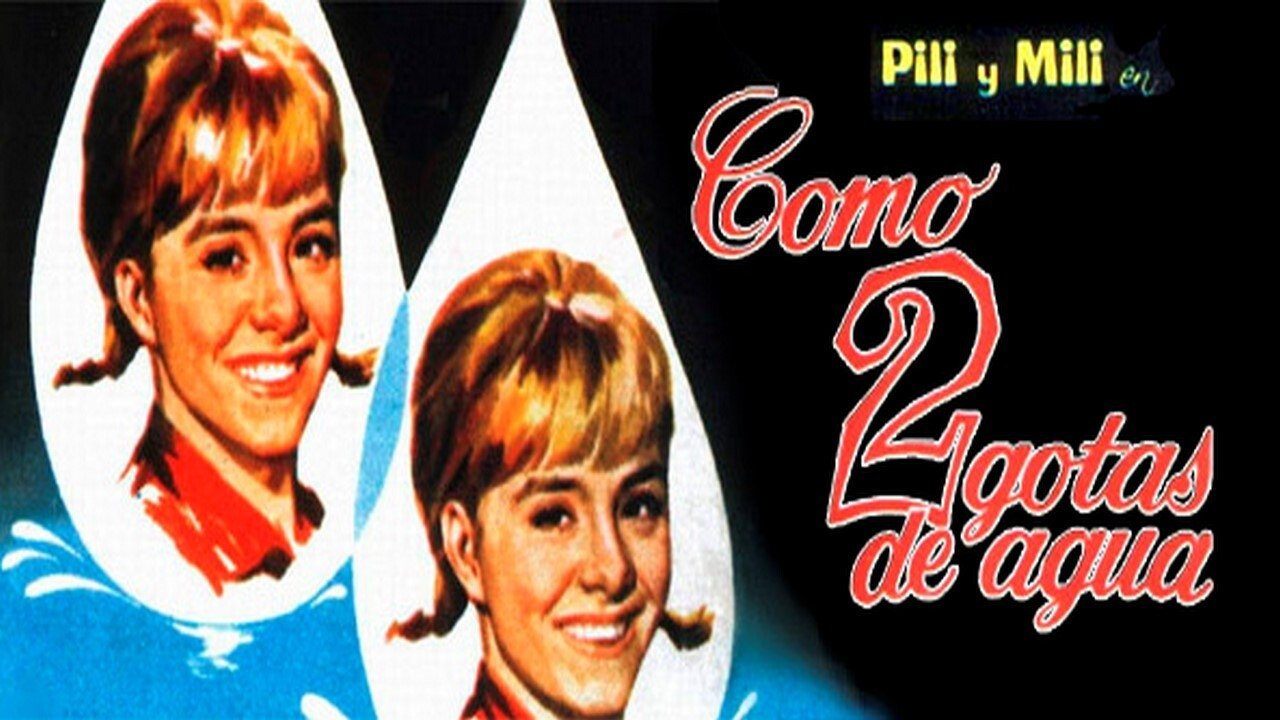



The lawyer Angela Goñi is working in two cases at once: an man that wants to take to Pilo, a young orphan, tp a protection child school. And Mili, another young woman neglected by his father, a businessman, whose aunt Teresa wants to claim through the courts. Taking advantage of the amazing similarity between the girls, the lawyer makes many things to try to resolve the situation as happy as possible.

Luis César Amadori
Director


Pilar Bayona
Pilar 'Pili' Benítez (as Pili)

Aurora Bayona
Milagros 'Mili' Arriaga (as Mili)

Isabel Garcés
Ángela Goñi

Manolo Morán
Gregorio 'El Chopín'

Luis Dávila
Ricardo Arriaga

Trini Montero
Marcela Bonelli

Jaime Blanch
Raúl Arriaga

Mariano Azaña
Juez Agustín Palacio

Tony Soler
Magdalena
José Morales
Secretario de Ángela

Xan das Bolas
Martínez
How powerful can a story be when it is stripped to the bare essentials of just a room, a handful of people and raw human voice?
Rare in the days of franchise sequels and indie horror films that dominate the screen in 2026, Netflix’s latest original release, Remarkably Bright Creatures, is a feel-good family movie that leaves nothing to be desired except tissues. Starring Sally Field and Lewis Pullman as two cleaners at a small-town aquarium, Remarkably Bright Creatures reminds viewers that humans are social animals whose strength comes not from our intelligence or our opposable thumbs, but from each other.
The one-way journey went to the desert that refused to offer an answer or a transcendence.
Years before Mexican director, Alfonso Cuaron, was winning Academy Awards for movies like Gravity (2013) and Roma(2018), he directed a small, intimate film about two best friends who decide to embark on an improvised road trip to spend time with an older, attractive woman who miraculously agrees to go with them. Y tu Mamá También is a deep journey into the raw sexuality and friendship of the young protagonists, as well as a subtle social and political commentary on Mexico at the time.
Based on the fairy character from previous movies, this fantasy movie gives viewers magic.
This coming-of-age movie based on the 1970 book by Judy Blume gives viewers a scope on female topics in the quest for a religious identity.