


Comedies From Around the World (And Where to Stream Them)
Could you use some hearty laughs? Then you’re in the right place! Enjoy this selection of diverse international comedies.
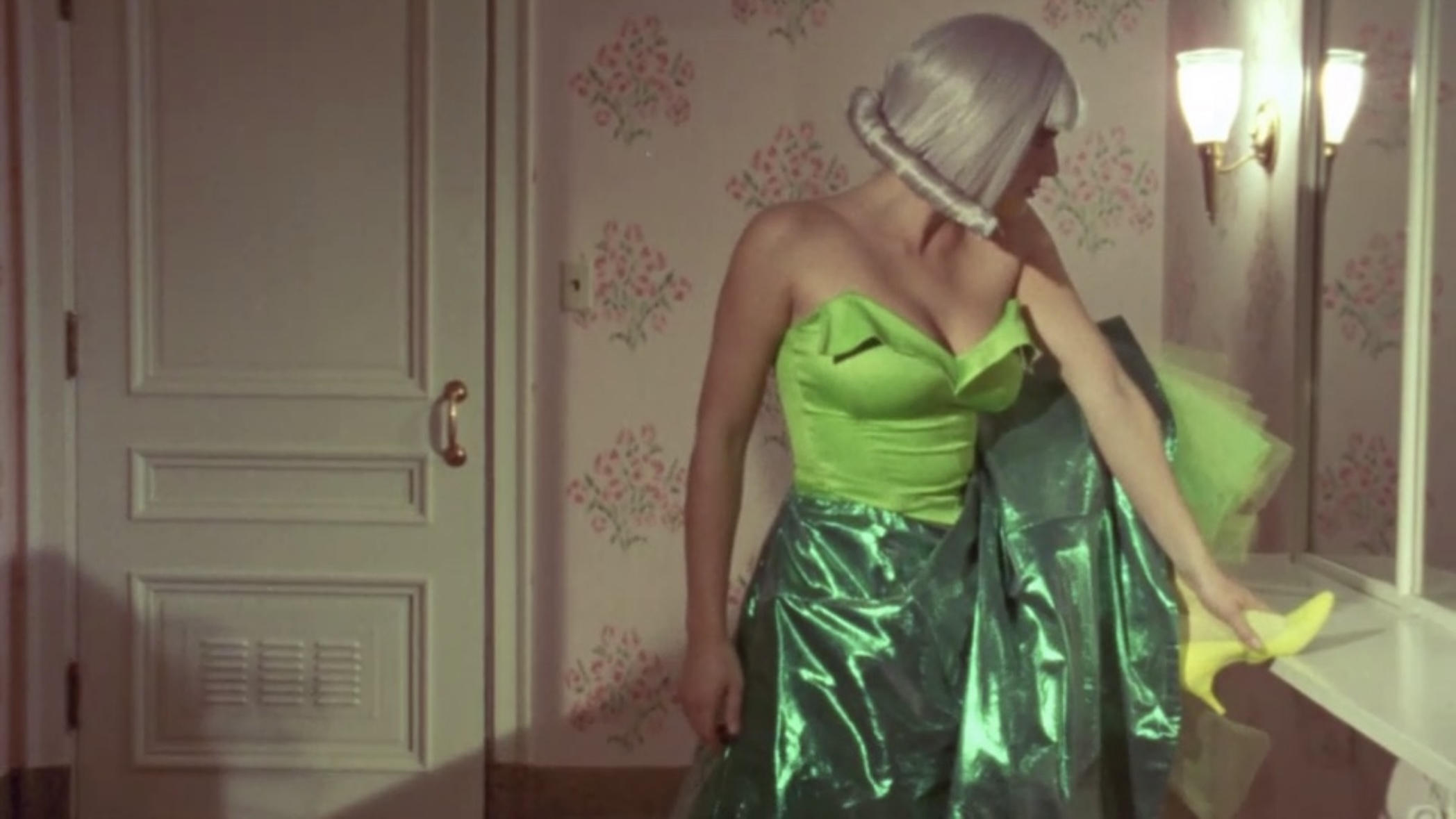



“CINDERELLA is a musical treatment of the fairy tale. I have broken apart the story and set it as a mechanical game with a series of repetitions where CINDERELLA is projected back and forth like a ping-pong ball between the hearth and the castle. She never succeeds in satisfying the requirements of the ‘Cinderella Game’. The film was shot MOS, the dialogue is lip-synched, and along with the out-front score and effects track magnifies the film’s sense of alienation.” — E.B. 1984 - Preserved by the Academy Film Archive in 2017.
Could you use some hearty laughs? Then you’re in the right place! Enjoy this selection of diverse international comedies.
'Bodies Bodies Bodies', the latest from indie powerhouse studio A24, is a great time. Full of dark comedy laughs, great performances, and genuine scares, it's a perfect addition to modern slasher classics.
Despite its aggressiveness, the Beef anthology series is about romantic love in all its forms. The final scene of the first season led us to believe that, despite the conflict, drama, and toxic traits, the main characters would end up together and, most likely, live happily ever after. The whole “beef” plot was the prelude to their love story.
A dynamic journey of self-acceptance and identity.
'The Patient' is bound by four walls and a mediocre ending that leaves you wanting more.
This Christmas movie gives viewers a friendship that unexpectedly forms from a plane trip.