







"Hunt for the Wilderpeople"
If you’ve been itching for a sign to finally go on that unforgettable summer camping trip, this is it.
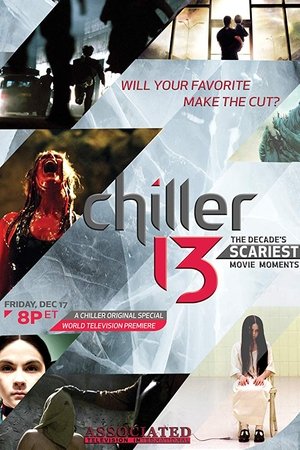


Chiller 13: The Decade's Scariest Movie Moments, produced by Emmy Award-winning company Associated Television International, features a diverse group of pop culture mavens and horror movie experts looking back on the top 13 scary movie moments of the past 10 years. Featured participants include renowned special makeup effects supervisor Greg Nicotero (The Walking Dead), comedians Dan Gurewitch & David Young (collegehumor.com), actress Betsy Russell (the Saw anthology), writer Steve Niles (30 Days of Night), actor Tony Todd (Final Destination) and horror film director Lucky McKee (May, Chiller's original movie The Passenger), among others.
If you’ve been itching for a sign to finally go on that unforgettable summer camping trip, this is it.
'Spiderhead' is Netflix's latest high high-concept Sci-fi offering in the acts of Chris Hemsworth, Miles Teller, Jurnee Smollett, and Mark Paguio
Sorry to Bother You ultimately speaks to the unfair advantages that the country’s power structures award to those with the resources to control others, as Lift’s easy access to the media allows his opinion to be the only one that matters in the eyes of the unsuspecting and easily impressed public. Moreover, it reveals the extent to which the American Dream has any true validity. It postulates how the promise of success and fulfillment as promoted by the American Dream more often than not leads to the undoing of the individual. Interestingly, in its revealing of the American Dream as merely a facade, Sorry to Bother You wisely questions whether or not anything can really be done to undo a system that has been accepted and in action for centuries.
You've heard the phrase “If looks could kill,” but have you heard “If dancing could kill?” Pretty Lethal takes that idea and runs with it.
"Marriage Story" is a narrow-minded and heavy-handed attempt to examine the complexity of human relationships.
Hulu continues its Summer releases with The Princess. This film follows the princess (yes, she is unnamed) as she attempts to escape her tower, refusing to be wed to a cruel man vying for the throne. Action-packed and snarky, this is a decently fun film if you need a fighting fix.