


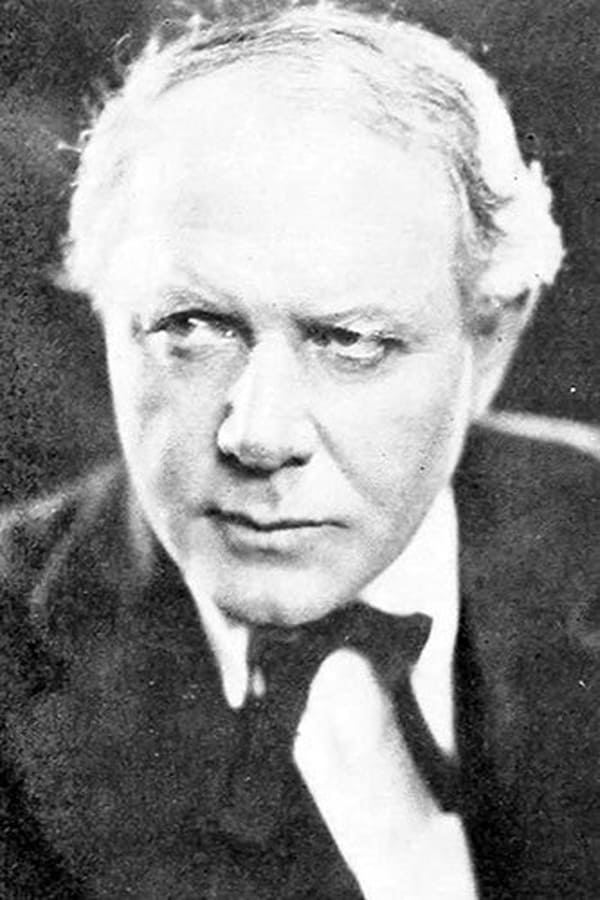

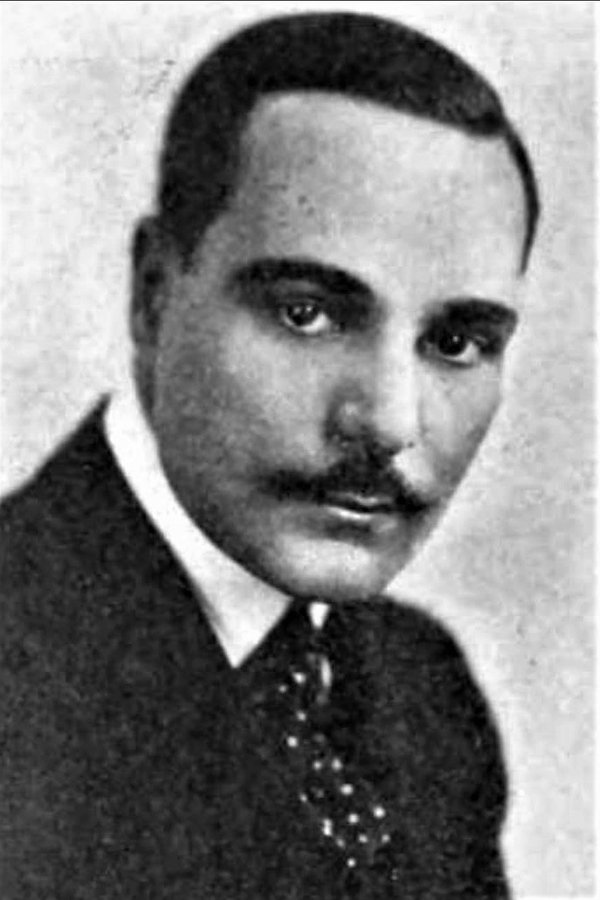
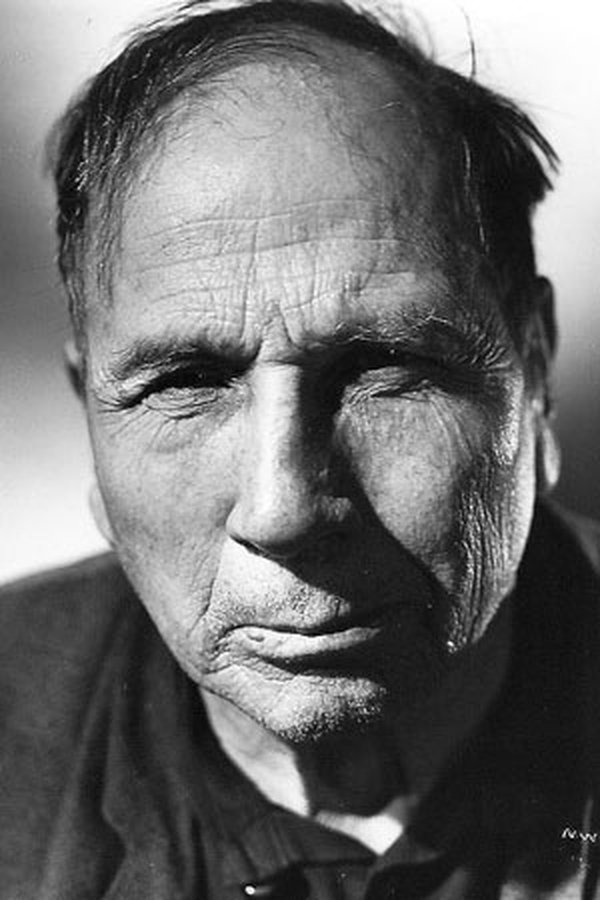



We’ve Always Been Here: 5 Openly Gay Hollywood Stars From The Past
These openly gay Hollywood figures risked so much by being honest about their sexuality: judgment, loss of employment, hate – even violence and death.



John Dowling, a greedy factory owner, cuts his employees' pay while raising their food prices at the company store. The employees strike but to no avail. Mary Garvin visits Dowling to plead the laborers' cause, but because her mother had once refused his marriage proposal, he attacks Mary out of revenge. In the struggle, Dowling is shot, and Mary is tried and convicted of murder. Before the execution, foreman "Bull" Thompson boasts that his bullet killed Dowling during Mary and the factory owner's struggle, and Dowling's son Chester, who has attempted to introduce reforms into the factory, races to the governor's train to secure a pardon for Mary. After Mary's release, she and Chester are married.
These openly gay Hollywood figures risked so much by being honest about their sexuality: judgment, loss of employment, hate – even violence and death.
The Chronology of Water is a raw, honest, and unforgiving portrayal of how an abusive childhood ripples throughout one’s life. It is definitely the best movie I’ve seen Imogen Poots in. And even though Kristen Stewart has a long acting career for her young age, her directorial skills in this film show a lot of promise. Her feature debut as a director, an adaptation of Lidia Yuknavitch's critically acclaimed 2011 autobiographical memoir, is fully immersive, mesmerizing, and impressive.
‘Candyman’ (2021) builds upon the original 1992 film by presenting the myth of Candyman not only as an example of black pain, but as an opportunity for black vengeance.
Overall, “Dark Fate” is a run-of-the-mill flick. Together, Reyes and Davis have excellent chemistry, but their characters’ story is nothing new, lacking surprise and deep emotion. During the middle points, the film drags considerably, and when the action hits, it feels consistently tight, eliminating the rhythm and fluidity of conflicts.
Horse racing is a very difficult sport and challenge, especially for a young woman like Michelle Payne.