


Incluvie – Better diversity in movies.
Identity in film with Incluvie stamps, scores, reviews.

Incluvie – Better diversity in movies.
Explore identity in film with Incluvie stamps, scores, reviews, and insights.

trailer banner
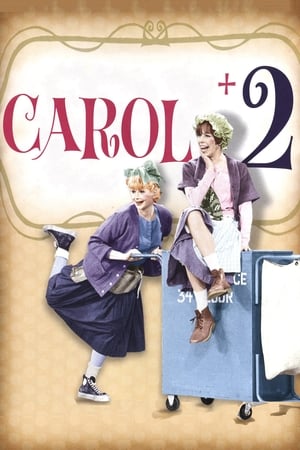
Carol + 2 poster

Carol + 2 (1966)

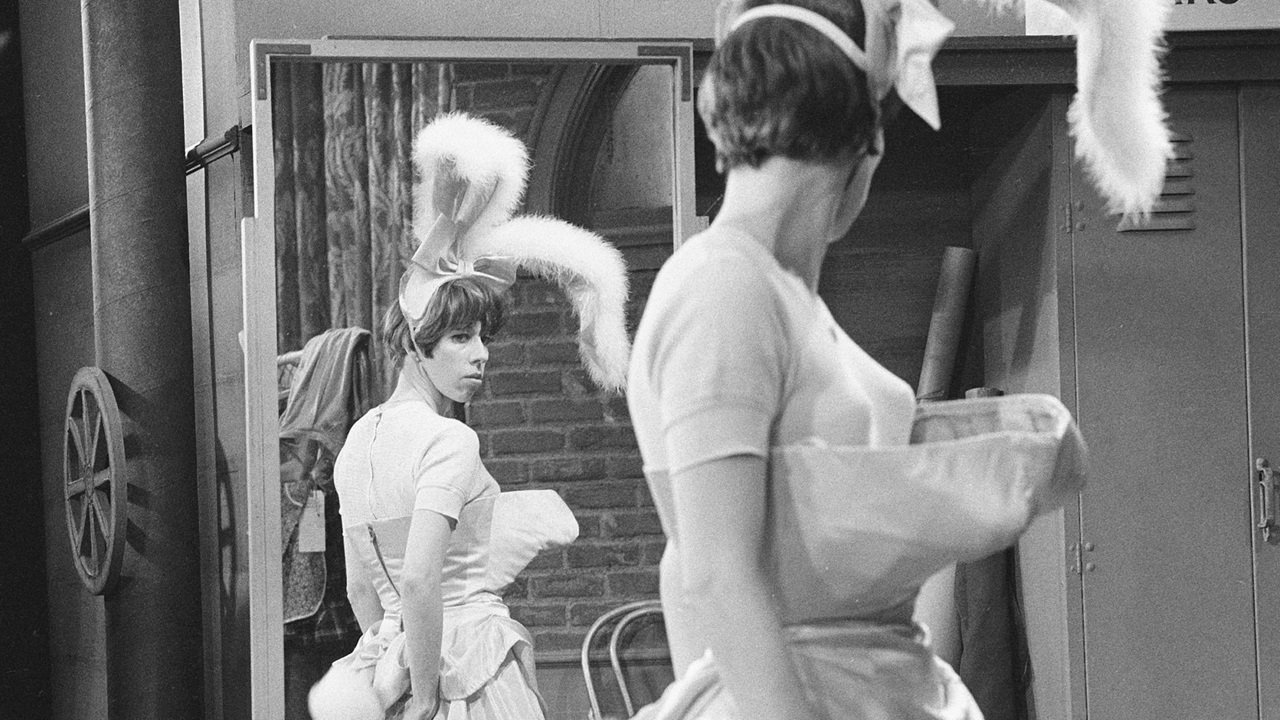
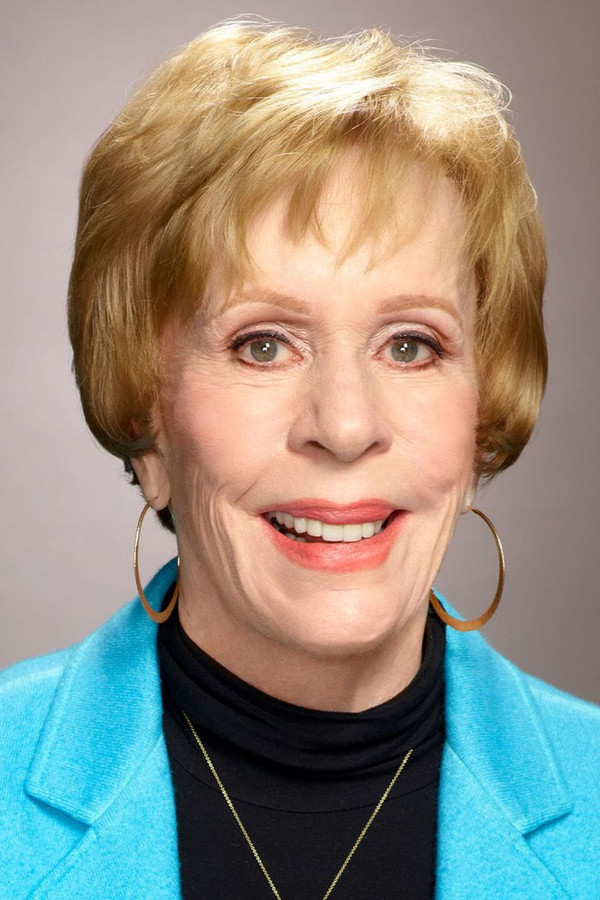
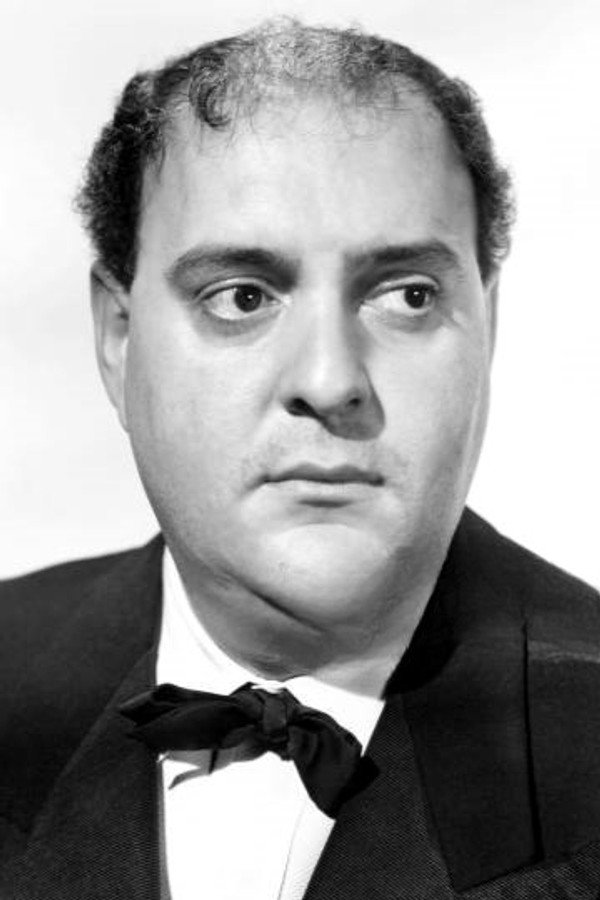
Carol + 2 was the title of the second of a multi-year series of television variety specials starring Carol Burnett which aired on the CBS Television network in the United States between 1962 and 1989. The first special was produced in 1962, featuring Burnett and Julie Andrews. Carol + 2 premiered on March 22, 1966, with Carol joined by actor Zero Mostel and the legendary Lucille Ball. The program was such a critical and ratings success that CBS rebroadcast it on January 15, 1967.
- / 5
PopScore
Representation

Pictures and Videos


Incluvie Gala

Movie Information


Carol + 2 was the title of the second of a multi-year series of television variety specials starring Carol Burnett which aired on the CBS Television network in the United States between 1962 and 1989. The first special was produced in 1962, featuring Burnett and Julie Andrews. Carol + 2 premiered on March 22, 1966, with Carol joined by actor Zero Mostel and the legendary Lucille Ball. The program was such a critical and ratings success that CBS rebroadcast it on January 15, 1967.

Rating:
Genre:Comedy, Music
Directed By:Marc Breaux
Written By:Nat Hiken
In Theaters:3/22/1966
Box Office:

Runtime:54 minutes
Studio:Bob Banner Associates

Articles You May Like


"First Girl I Loved": A Well-Intended but Ultimately Flawed Story of Identity

Despite its glaring flaws, First Girl I Loved is not entirely undeserving of a watch. For people who can handle the more difficult aspects of the story and graphic scenes, it is worth looking into. It’s not a film worthy of rewatch, but it may still resonate somewhat with those who need a story like this. It is a genuine, if flimsy attempt at a coming-of-age tale. Were the film to be directed by someone with experiences more similar to Anne, it would likely be more powerful--as it is, it feels like a man’s perspective of what it means to come to terms with your identity as a lesbian. 

Marisa Jones