The Magician's Elephant Will Lead Him to His Sister
The Magician's Elephant has a strong multicultural cast and a heartwarming story about bringing two long-lost siblings back together
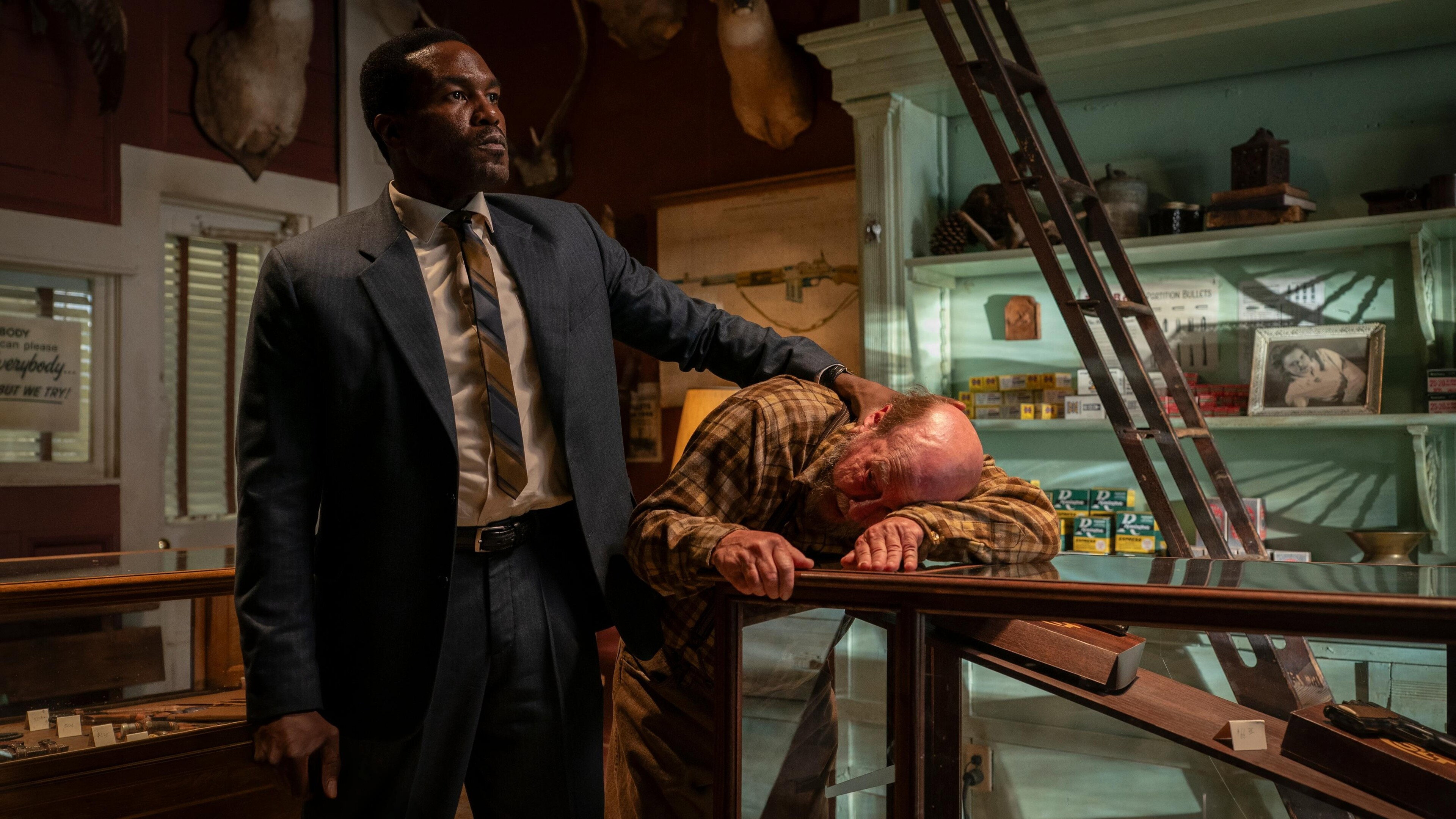
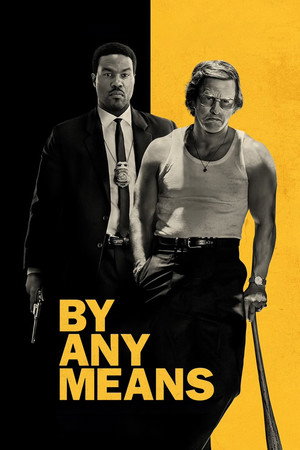


Quentin Tarantino did not direct By Any Means, but he did direct the movie Django Unchained, which grossed $449.8 million worldwide.
Spike Lee did not direct By Any Means, but he did direct the movie BlacKkKlansman, which grossed $93.4 million worldwide.
Before Django Unchained came out, Spike Lee criticized Quentin Tarantino’s film, saying on Twitter (now X): “American Slavery Was Not A Sergio Leone Spaghetti Western. It Was A Holocaust. My Ancestors Are Slaves. Stolen From Africa. I Will Honor Them.”
All three movies – Django Unchained, BlacKkKlansman, and By Any Means – make the creative choice to dramatize a certain period of systemic oppression of Black people in a way that excites and thrills the audience. All three movies are also told in a way that reminds the audience of the terror of oppression. That naturally raises the question – are movies like these a force for good, essentially slipping the spirit of liberation into our minds through entertainment? Or are these movies ultimately misguided, minimizing what was unimaginably horrible by associating them with thrills? Can the same analysis of these films be applied to war films like Saving Private Ryan and this year’s Pressure?
Does it make a difference that Django Unchained was written and directed by a white man, while BlacKkKlansman and By Any Means were directed by Black men? Or does it make a difference that, while directed by black men, neither BlacKkKlansman nor By Any Means was exclusively written by Black people? Does it make a difference that BlacKkKlansman at least had Black people on its writing team, while By Any Means didn’t? Or should we ultimately judge the film by its substance rather than the perspective of its creators?
By Any Means also shares a lot of its DNA with another controversial film – Green Book. (Yet another film famously criticized by Spike Lee). The former is a crime thriller while the latter is an Oscar-winning drama, but both feature a black man and a white man as the main protagonists, traveling in a car with one in the driver’s seat and one in the passenger’s seat, during the 1960s in segregated America, whose relationship is tenuous but ultimately heartwarming for general audiences. Most controversially, both could be argued to perpetuate the “white savior” narrative.
In By Any Means, Yahya Abdul-Mateen II’s character is portrayed as a rule-follower who has trouble handling the situation at hand, and Mark Wahlberg’s character is portrayed as the badass who can get stuff done. By the end of the film, they are on even ground in this respect, but it doesn’t change the fact that a Black man had to “grow up” while his white counterpart didn’t. Again, By Any Means can be distinguished from Green Book in that the former had a Black director and the latter had a white director. But again, are we to judge based on the perspectives of the creators, or on the substance of the film?

In 1960s Mississippi, a young Black FBI agent is forced to partner with a notorious mafia hitman to investigate a wave of brutal civil rights murders.

Elegance Bratton
Director

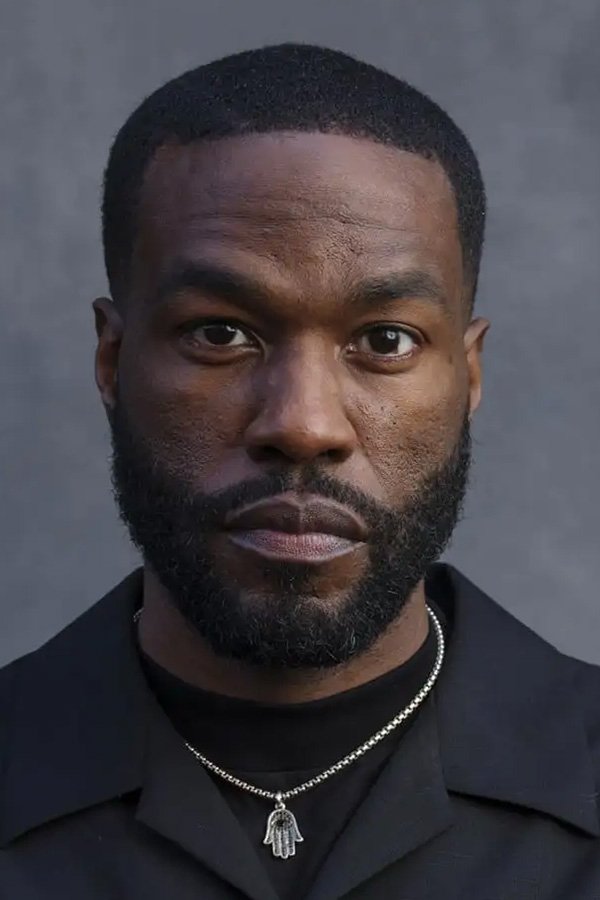
Yahya Abdul-Mateen II
Wayne Strider

Mark Wahlberg
Gregory Scarpa

Nicole Beharie
Allison Strider

Josh Lucas
Special Agent Everett Rhodes
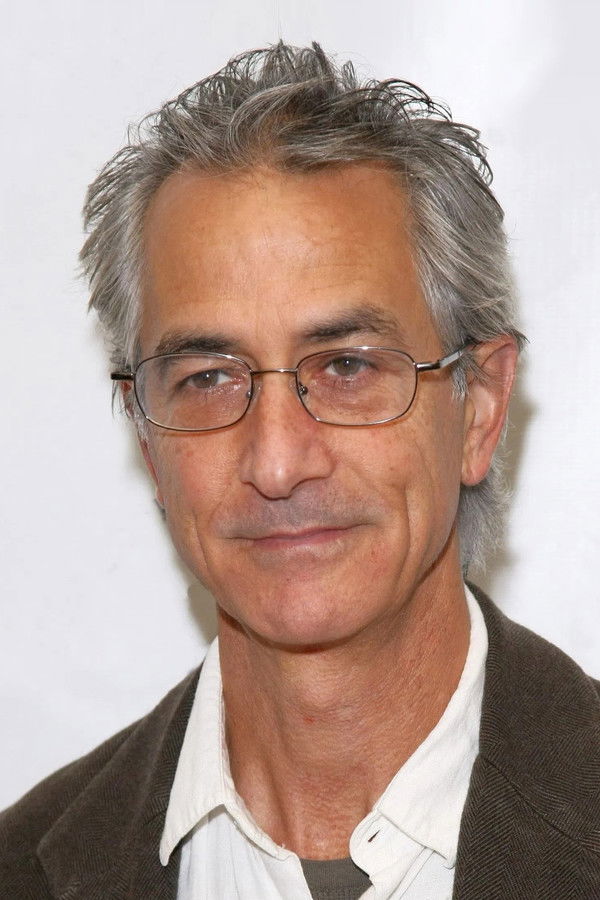
David Strathairn
Special Agent Roy K. Moore
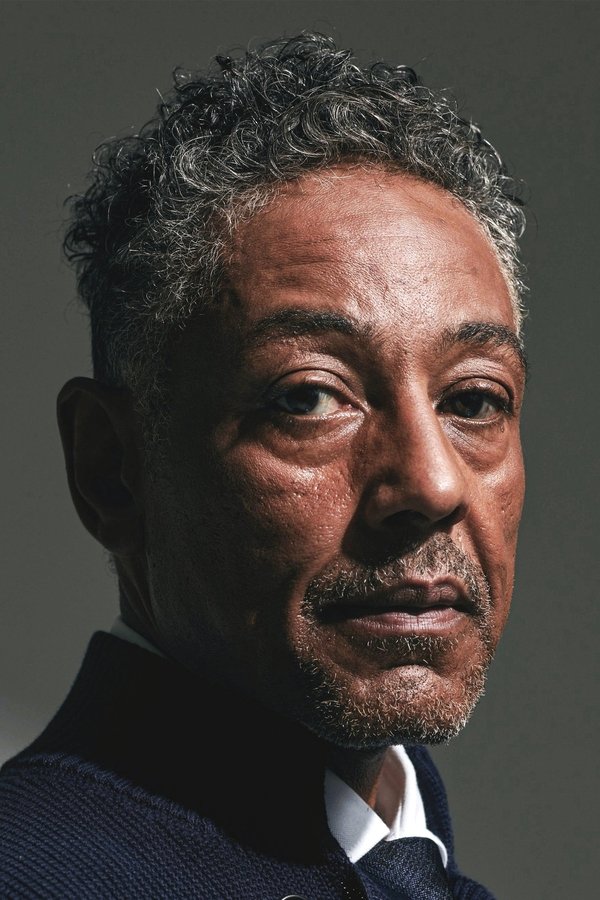
Giancarlo Esposito
Vernon Dahmer

Ethan Embry
Sam Bowers
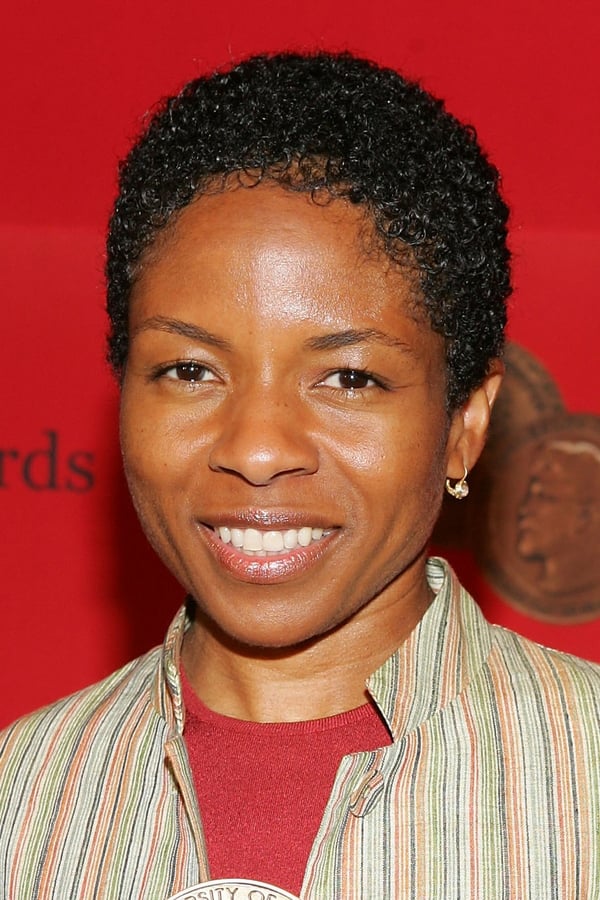
LisaGay Hamilton
Ms. Rebecca Brewer
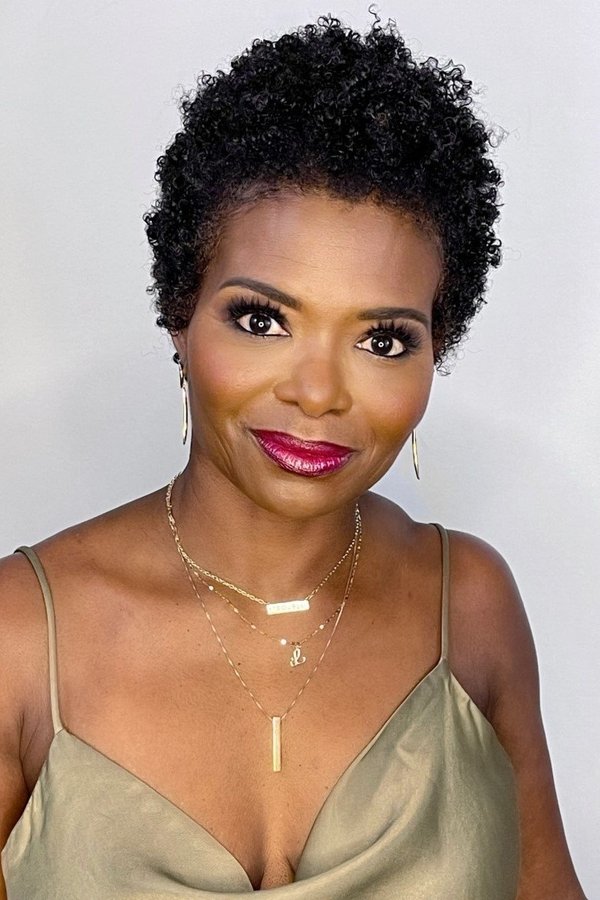
LaChanze
Hattie Dahmer
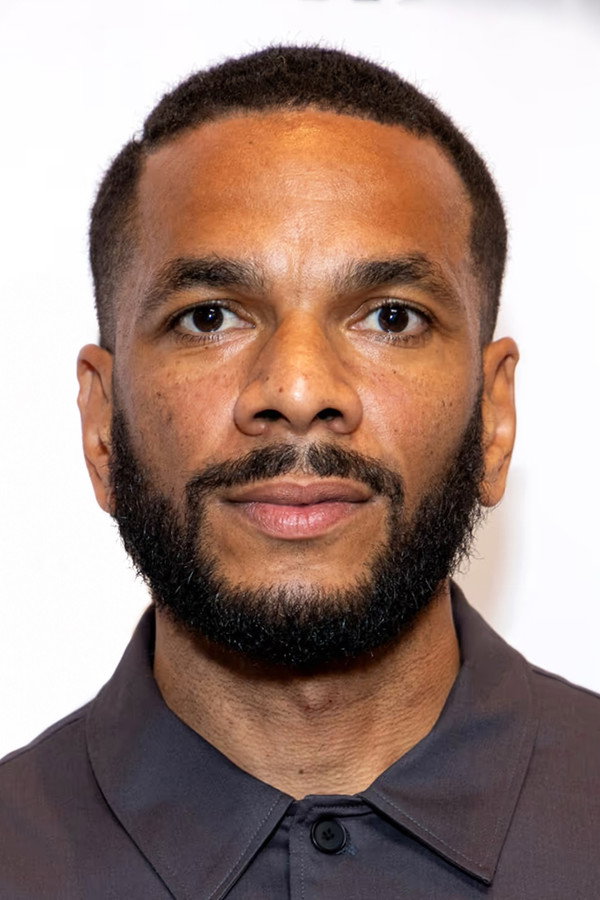
Biko Eisen-Martin
Special Agent Archie Crawford

Will Brittain
Billy Roy Pitts
The Magician's Elephant has a strong multicultural cast and a heartwarming story about bringing two long-lost siblings back together
He’s a nine-time Oscar host and a revered comedy legend. He’s an up-and-coming comedy star who was a voice in the biggest animated movie of all time. So what happens when these two are forced to work together?
If you're missing the freedom of travel, explore the world via these international films that put their gorgeous settings in the spotlight.
In Stowaway, director Joe Penna narrates the story of a starship crew (Anna Kendrick as Zoe Levenson; Toni Collette as Marina Barnett; and Daniel Dae Kim as David Kim) struggling with serious technical problems on a two-year mission to Mars. During the trip, they discover aboard the presence of Michael (Shamier Anderson), a stowaway who jeopardizes everyone’s life on board.
Zoe Saldaña is a CIA operative who leads a special program that recruits women to infiltrate and dismantle international criminal enterprises, with a QRT(Quick Response Team) providing operational security that shoots people and blows things up on a weekly basis.
Hokum is an enjoyable horror film that will probably get a little under your skin, but it isn’t the tour de force that you might be expecting.