

Looking Behind the 'Z-O-M-B-I-E-S' Trilogy
Our trilogy at Seabrook High School starts with a rivalry between zombies and humans who eventually come together.

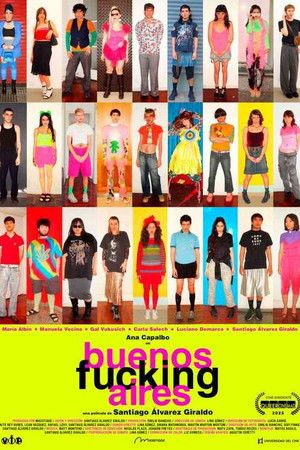


Ana is a twentysomething artist: she teaches art to kids, goes to parties, and tries to avoid running into her ex. A gallery owner invites her to put on her first solo show. As she scrambles to get it ready in time, she meets a new girl. Buenos F**cking Aires is a portrait of a generation immersed in the nightlife and contemporary art scene of Buenos Aires: a story about adulthood, friendship, miscommunication, and job insecurity.
Our trilogy at Seabrook High School starts with a rivalry between zombies and humans who eventually come together.
Based on the best-selling novel by Angie Thomas and a maxim of the late Tupac Shakur.
My Beautiful Laundrette is often referenced as a positive LGBTQIA+ film because our two main characters are in a homosexual relationship with no shame, fear of violence or criticism. The struggle is not their sexuality. It is the treatment of the Pakistani citizens in England.
In all actuality, “Just Mercy” should be labeled a “wall punching narrative.” Constantly, the flick throws high forms of adversity our way, amping up our most inner levels of discomfort. Filmmaker Destin Daniel Cretton wonderfully paces the film in such a way that replicates the slow-burn nature of justice.
She is being made to justify why she doesn’t believe he’s a feminist, instead of him having to justify his choice to claim he is one.
Curry Barker’s film, Obsession, soars in success this past May leaving everyone who has watched it in extreme chills and disturbance. And taking it to new levels of why men are always the root of horror films even when they try not to be.