“Buddy” and Analogue Horror
Upon first watch, Buddy feels like it should have been aired on Adult Swim at four in the morning.

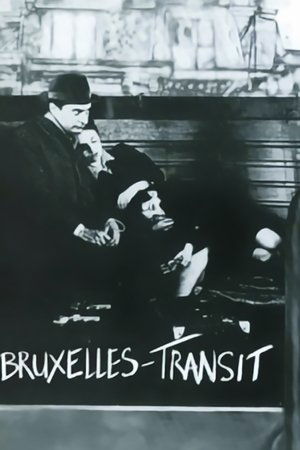
A family of Polish-Jewish refugees arrives in Brussels in 1947 to navigate the challenges of postwar survival. Guided by a maternal voice-over, the narrative tracks their daily struggles with poverty, housing, and obtaining legal residency permits. Through staged, static tableaus, the film records these everyday bureaucratic and living conditions.
Upon first watch, Buddy feels like it should have been aired on Adult Swim at four in the morning.
The gentle, emotional nuances of Evan’s coming-of-age story would have been so beneficial to have incorporated into the life of a POC character. Showing a Black, Asian or Latino young man that is afforded the space to be vulnerable, flawed and sensitive while driving a compelling and widely-loved narrative would have been a game changer.
"The Platform" is horror and science fiction film doubling as a visual commentary on capitalism and economic inequality. The movie is not for the faint of heart nor the viewer hoping for political neutrality in their film's depth.
Zombie apocalypses have been metaphors for late-stage predatory capitalism, but never a system disrupter that brings about freedom.
Dead Poets Society relies on patriarchal tropes such as overbearing fathers, contrived brotherhood, and faux-individuality in order to portray its straight white male characters as oppressed.
Disney has hopefully learned some lessons since 1994. Are those lessons reflected in the 2019 remake of "The Lion King?"