








A Survivor's Story: Breaking Down the Season 4 Finale of ‘Handmaid’s Tale’
The roaring emotional ride that was the season four finale sets June on a new path: more of a Survivor's Journey.
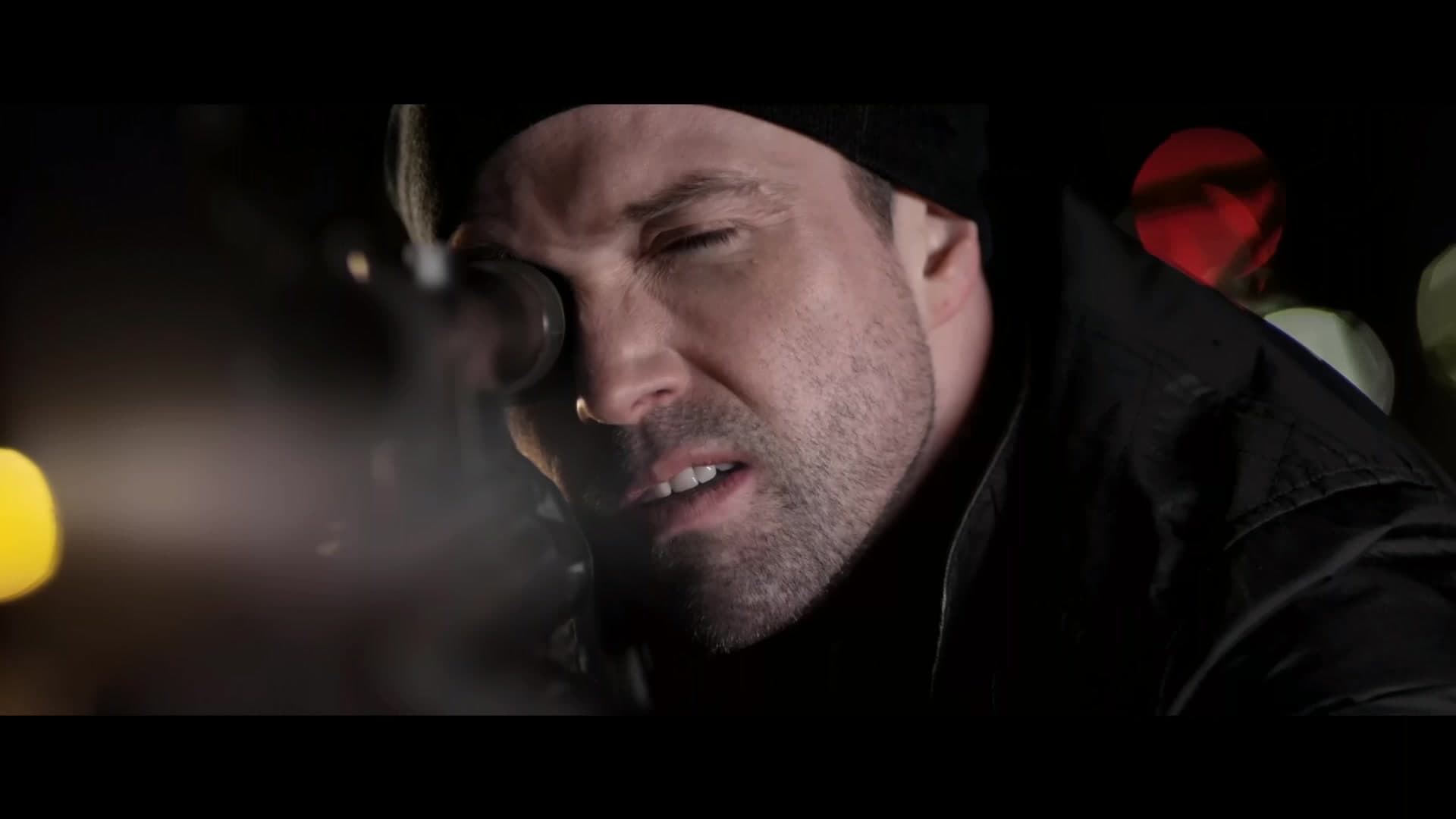



A professional contract killer, haunted by visions of his violent past, spirals out of control. His work compromised as he reaches breaking point, he is forced to defend his family from his ruthless employers.
The roaring emotional ride that was the season four finale sets June on a new path: more of a Survivor's Journey.
One young woman with an unusual background tries to find and establish herself in the real world, which isn't exactly as festive as she hoped it would be.
Netflix’s new rom-com, Voicemails for Isabelle (dir. Leah McKendrick), isn’t just heartwarming, funny, and an achievement in female directing - it’s also an instant classic. Following 20-something aspiring baker Jill (Zoey Deutch), Voicemails for Isabelle tells a story of grief, self-discovery, and fateful connections. Ever since her beloved sister Izzy’s (Ciara Bravo) death, Jill has been leaving her hilarious, extremely TMI voicemails about her chaotic love life and miserable day job as a prep cook. Little does she know that a handsome and unsatisfied real estate agent in her hometown has inherited the number and practically fallen in love with her by listening to her stories.
Initially feeling like a passionate group having a bit of harmless fun with filmmaking, it leads to something sinister enough to leave a mark.
“The most disrespected person in America is the Black Woman/the most unprotected person in America is the Black Woman,” Director Spivey Jr quotes. The quotes are absolutely true. Misogynoir is a devastating social ill that is not given the weight it is due.
We’ve always known that Edgar Wright is a mixologist when it comes to blending sound, light, colour, and texture. This is especially true in the first act of the film. In fact, all of my positive feedback is directed exclusively at the first act of this film.