“Bury Your Gays” Trope in TV and How “Wynonna Earp” Defies it
I think that the happiness and survival of "Wynonna Earp"’s LGBTQ+ characters is incredibly refreshing in contrast to the prevalence of queer suffering and death in other television.




The story takes place in an unnamed Japanese city, and follows five students at Shinyo Academy as they try to piece together the puzzle of a new drug and recent disappearances among the student populace. While the teachers believe them to only be runaways, the female students whisper among themselves about the urban legend Boogiepop, who is said to be a Shinigami.
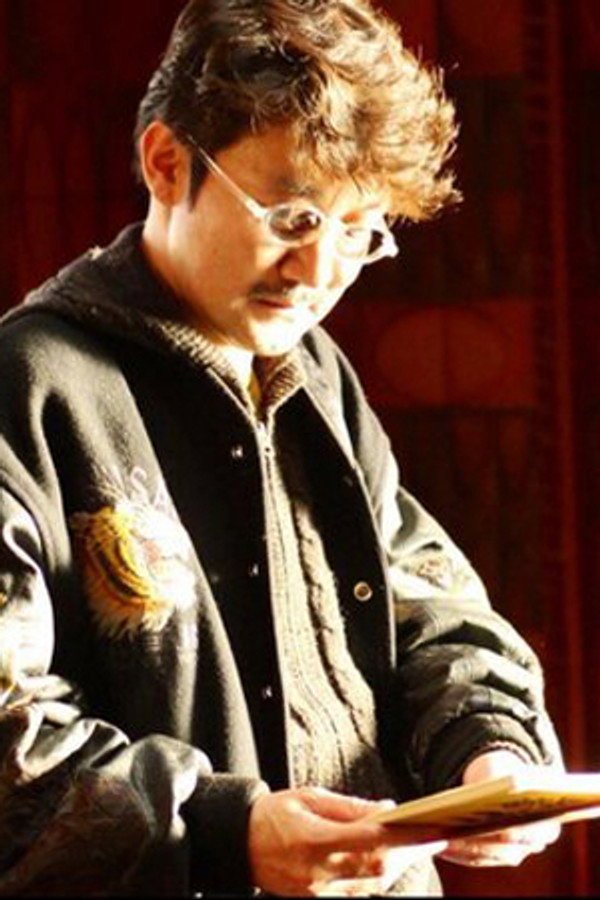
Ryu Kaneda
Director


Sayaka Yoshino
Tôka Miyashita / Boogiepop

Daijiro Kawaoka
Keiji Takeda

Ayana Sakai
Minako Yurihara / Manticore
Tetsu Sawaki
Akio Kimura

Asumi Miwa
Naoko Kamikishiro

Mami Shimizu
Kazuko Suema

Hassei Takano
Saotome Masami

Hideyuki Kasahara
Shirô Tanaka

Yukijiro Hotaru
Gorô Tadokoro

Kaori Sakagami
Karaoke staff

Yasufumi Terawaki
Echoes
I think that the happiness and survival of "Wynonna Earp"’s LGBTQ+ characters is incredibly refreshing in contrast to the prevalence of queer suffering and death in other television.
... La huesera haunts her daily life, leaving people to question her viability as a mother, and Valeria’s lack of satisfaction with her life leave her asking similar questions. These misgivings reach their peak after the baby is born, when Valeria, visibly in a state akin to possession, locks her in the fridge when she won’t stop crying through the night
The most divisive character in Multiverse of Madness is undoubtedly Wanda Maximoff. Is she good or evil? Is she "unlikeable?" I'm tired of the debate. I love Wanda because she's for us—she's for the women.
The new Scooby Doo movie that will give viewers the frightening adventure of their lives.
A dynamic journey of self-acceptance and identity.
How powerful can a story be when it is stripped to the bare essentials of just a room, a handful of people and raw human voice?