






'Ted Lasso' Steps Up its Incluvie Game
The development of existing characters and the addition of some new ones have surely placed 'Ted Lasso' on some sort of an Incluvie A-OK list.
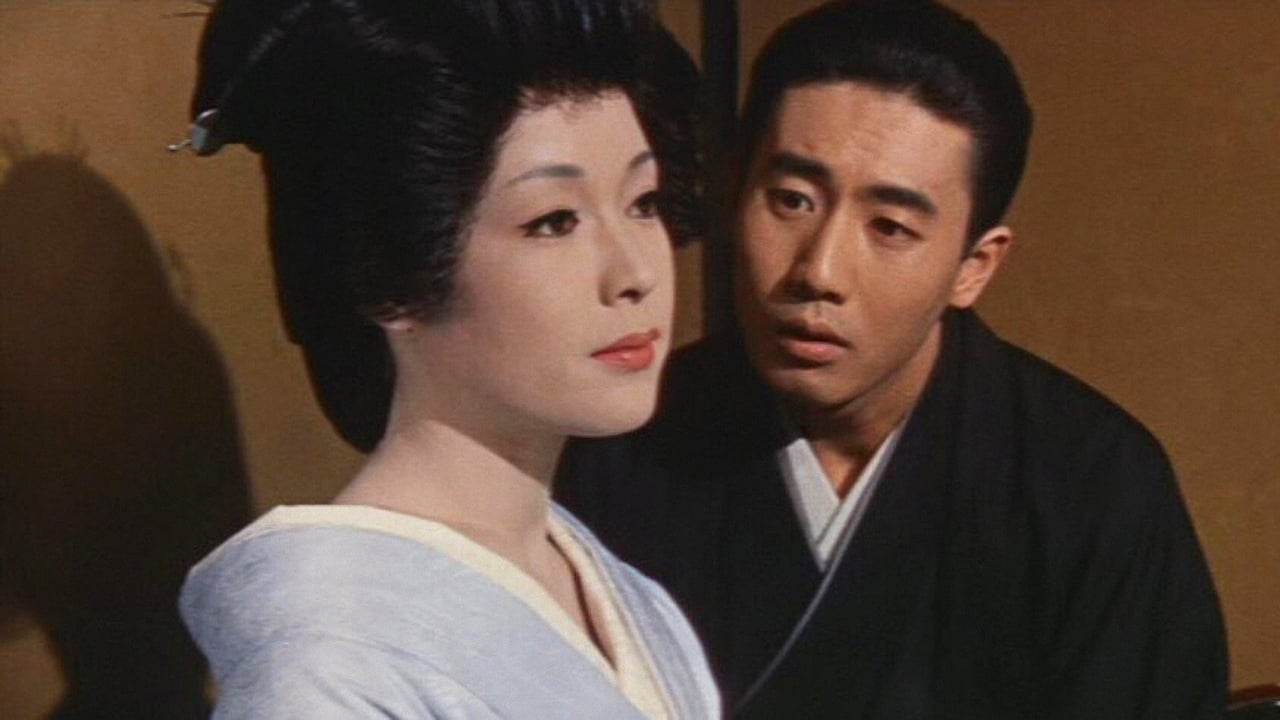
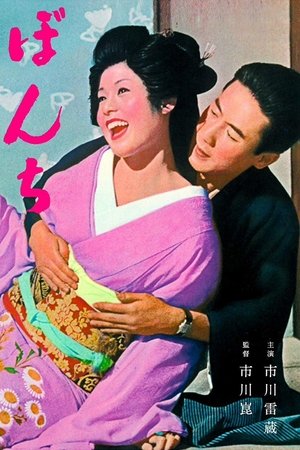


Kikuji is the scion of an Osaka merchant family whose traditional power is matrilineal. Instructed by his overbearing mother and grandmother to give them an heiress for the family business, he stands by helplessly as his wife is thrown out of the house for producing a son. Driven to a life of dissipation - his mistresses also fail to produce daughters - in the end he is just too tired to care.
The development of existing characters and the addition of some new ones have surely placed 'Ted Lasso' on some sort of an Incluvie A-OK list.
The Bluff unravels its mystery slowly, opening on the capture of a ship captain named Bodden (Ismael Cruz Córdova) and the swift execution of his entire crew. Then, viewers are treated to a tranquil British settlement in the Cayman Islands in the 1850s, where a mother bakes a coconut birthday cake for her son in a house suspiciously rigged with makeshift tripwires and burglar alarms. As it turns out, that mother is Priyanka Chopra’s quick witted and resourceful ex-pirate Mrs. Ercell Bodden, and her husband’s captors are on the way to the island to hunt her down for abandoning them and stealing their loot. The pirates of the Libertas land on the beaches of Cayman Brac, and the scenes that follow show a Viking-esque slaughter of half the island.
Personalities clash and tempers fume in a family-run Chicago restaurant
Tarantino's alternative history of the 1960's uncritically repeats the era's sexist and racist stereotypes.
Self expression among teenagers is explored in the live adaptation of Jerry Spinelli's novel of the same name.
Netflix’s Shadow and Bone has a complicated relationship with race. It has a diverse cast, but not without its problems. Based on Leigh Bardugo’s two book series, the show features characters from the Shadow and Bone trilogy, which is very straight and white, and the Six of Crows duology, which is much more diverse. When bringing together a cast and writing about these characters, the team behind the show expanded upon some of the representation missing from the first trilogy, then seemed to take away representation from the duology. Shadow and Bone seems to play a bit of a push and pull game when it comes to portraying diversity onscreen.