
Queer Friendship is Complicated in "Lakeview" (2024)
Tara Thorne’s film is equal parts emotional and comedic, illustrating the beauty and the pain of long term relationships.
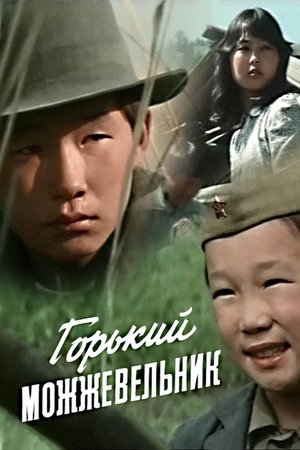


1943. Buryad Ulas. In a hinterland in far Siberia, many kilometers far from the front battle line there is a small buryad village. Though there is no place in a country unaffected by War. This village is no exception. All men went to the battle-front, only children, women and old men are left. You need to survive somehow, bring up the smallest, and take care of the ill and old, aid army. 15-year old teenagers shoulders are heavily loaded with war-time and rear chores. They also strive to go to the battle-front, want to fight for their motherland side by side with their fathers and brothers, but they realize that when mothers are out, there are nobody, except them, to take care of kids, graze horses, work on mills and do many other things.
Tara Thorne’s film is equal parts emotional and comedic, illustrating the beauty and the pain of long term relationships.
The more we learned with each passing minute the bigger the reveal. This film ends with a serious bang and it was truly a joy to watch.
In Deaf, the Spanish director Eva Libertad explores pregnancy and motherhood from the perspective of a deaf woman. Her movie examines how the world imposes the notion of disability on her main character while she actually does not feel disabled herself.
I like discovering something new among the old and Tubi has an assortment of horror films from cinema's past for just such an occasion.
Weird has a name and it's, Weird Al. 'Weird: The Al Yankovic Story' makes you want to "Eat it" then "Beat it".
This Halloween movie is a remake of the 2003 movie of the same name with Black representation.