

Gus Van Sant's Constant Thematic and Cinematic Elements
The differences in these films could not be more blatant, and yet Gus Van Sant has found a way to portray the same messages and use the same techniques in each.
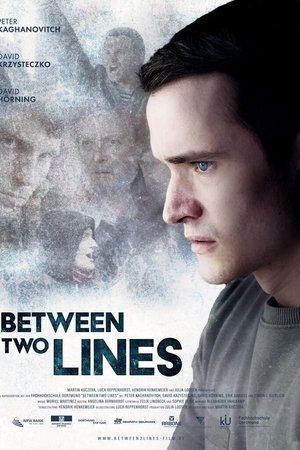


In an Eastern European country, the population is suffering under the ruling government. As the people gradually lose their democratic rights, an autocracy is emerging in the country. Young Jakub and his friend Marek lose hope in the peaceful demonstrations. The two join a militia that wants to overthrow the ruling regime. Jakub's foster father Nikolai recognizes the danger and forbids Jakub to join the fight. For the first time in their lives, they go their separate ways. When Nikolai takes in a wounded soldier one morning and Jakub returns, two enemies inevitably meet. Nikolai tries to keep a promise and save Jakub from worse. But Jakub longs for revenge for his murdered friend Marek.
The differences in these films could not be more blatant, and yet Gus Van Sant has found a way to portray the same messages and use the same techniques in each.
One of the reasons I love watching movies is that, much like books, they serve as windows into other times and different places. Productions from around the world offer valuable insights into the history and culture of their respective countries. And just like literature, cinema can help us understand the present by showing us the past.
The sequel to the 2021 remake of the same name continues from where we last left off in this spooky adventure.
Alfred Hitchcock’s 1960 film "Pyscho" is an American film classic that still resonates today.
Billy Eichner provides a hearty dose of good old fashioned romance with a lot of laughs
We are incredibly blessed that this movie is available for us to see, and we should take advantage of the opportunity we’ve been given.