








What Mean Girls Says About Diversity
Mean Girls not only centers around what goes on in high school, but also shows viewers and fans the diversity among people, especially teenagers, within today's society.
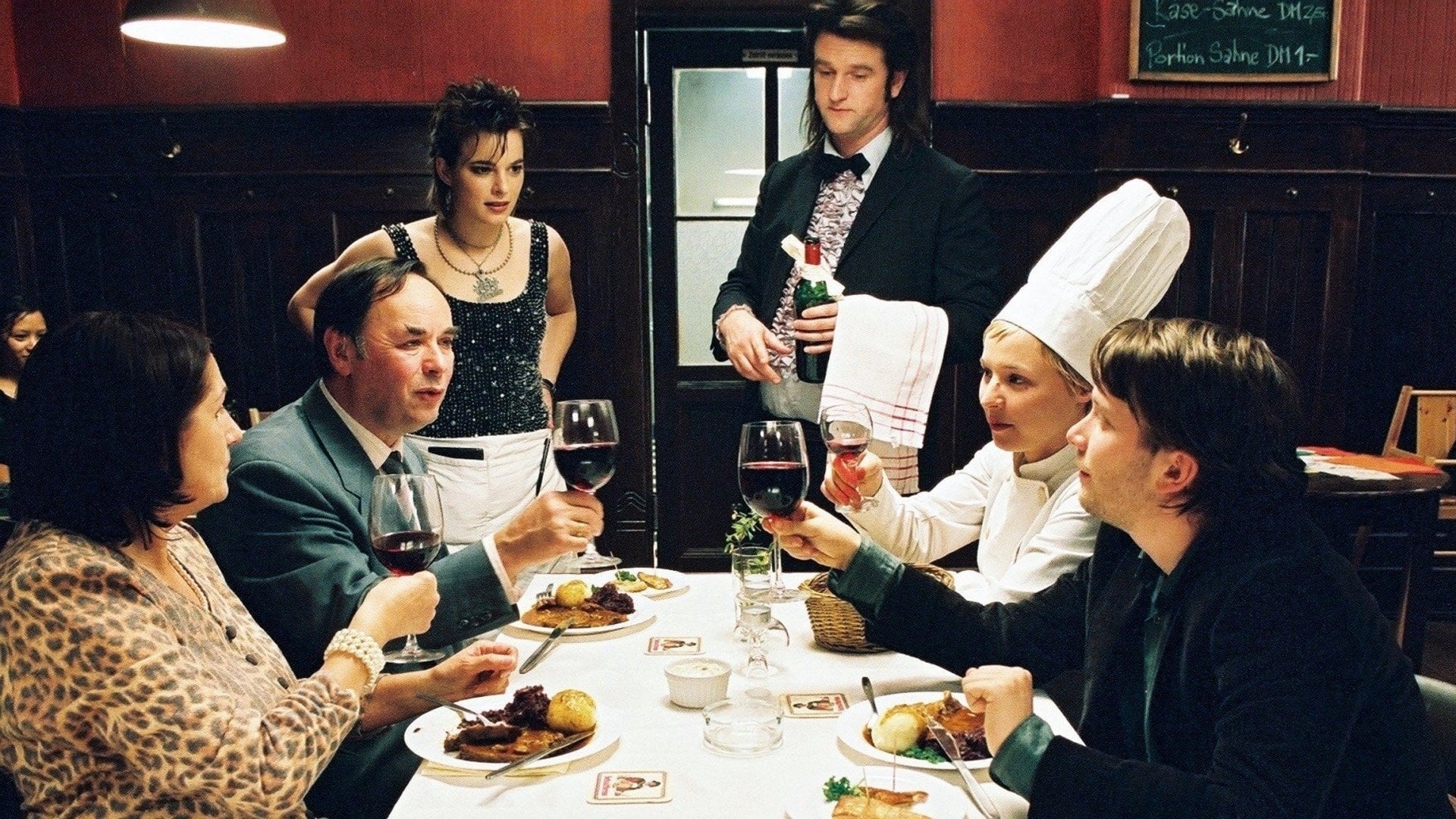
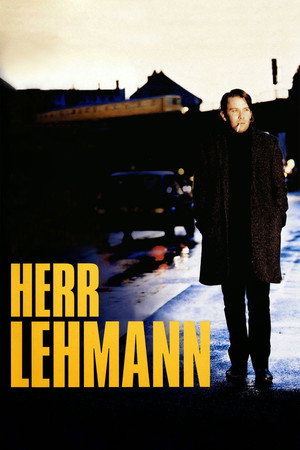


In October 1989, the part of the West Berlin borough of Kreuzberg called SO 36, had been largely shut off by the Wall from the rest of the city for 28 years. A lethargic sub-culture of students, artists, bohemians and barflys had flourished among crumbling buildings. Part of that microcosm is barkeeper Frank, semi-formally called 'Herr Lehmann' by friends and patrons. He hangs out drinking, sports utter disregard for anything beyond SO 36 and lazily pursues an affair with cook Katrin. His lifestyle is gradually disturbed, when his parents show up for a visit, things go awry with Katrin and his best friend Karl starts to act strange. Meanwhile, political turmoil mounts on the other side of the Wall.
Mean Girls not only centers around what goes on in high school, but also shows viewers and fans the diversity among people, especially teenagers, within today's society.
The animated musical adventure beings fantasy and magic to viewers as they follow Keegan and Moya.
A few episodes in, I realized the most prominent theme of In The Long Run wasn't culture, race or even finding independence--but the idea of belonging.
Sonic is a pretty generic buddy comedy with a light dusting of eccentricity.
Disney has cleverly managed to dance around the misdeeds of their past by scraping by with an insincere action that does very little to incite any long-lasting positive changes.
I was able to sit down and talk with up and coming producer and director Ryan Polomski who talked about his latest project Raymond Lewis: LA Legend. It's a documentary about basketball star Raymond Lewis and here is what I found out.