
Dead Poets Society Steals a Queer Story
Dead Poets Society relies on patriarchal tropes such as overbearing fathers, contrived brotherhood, and faux-individuality in order to portray its straight white male characters as oppressed.
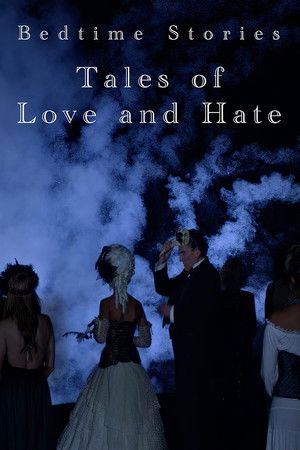


Three tales of the line between love and hate, based on short stories by renowned writers: a determined man swears off women, a cunning wife plots to win back her cheating spouse, and a scorned individual succumbs to frightful revenge.
Dead Poets Society relies on patriarchal tropes such as overbearing fathers, contrived brotherhood, and faux-individuality in order to portray its straight white male characters as oppressed.
In 1971, when discussions about how to integrate their school system break down, the community of Durham, North Carolina agrees to bring in Bill Riddick(Babou Ceesay) to conduct a series of summits(charrettes) to help them move forward with desegregation.
Vicenza, a Brazilian girl, goes on a quest by herself to find out who her birth father is by gathering clues.
There is a lot of controversy around Q-force. It’s certainly not hard to see why—the series is quite hyperbolic. I will say, that was the first aspect I noticed on my initial watch. Right from the get-go Q-Force barrages you with gay joke after gay joke. This is hit or miss throughout the series.
The heroes of the Mushroom Kingdom make their way to the big screen in this animated movie.
The shattering of what we strive to maintain as reality. It is certainly truthful to state that most, if not all, of us have experienced moments of genuine mental stress. Regardless of what might be the cause, the sheer unsettledness, the pressure that weighs upon us is a tangible force that CAN seem insurmountable. However, more often than not, this is only a temporary , one we can come through and simply move on from.