







“Dreaming Whilst B\@*k”
Masterful satire that shines a light on the struggles of Black creatives.
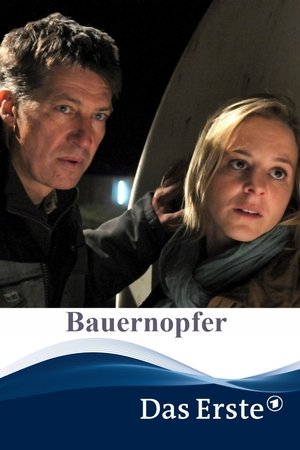


For organic farmer Andi Gruber, the single father of his eleven-year-old daughter Lena, his world suddenly collapses when it turns out that his cattle are contaminated with harmful substances and have to be slaughtered by the authorities. His livelihood is threatened. He desperately tries to find out what the pollutants are and how his cattle could have been contaminated. He goes to biochemist Dr. Kroetz and finds him dying, fatally wounded by a bolt gun. As Andi was seen at the scene of the crime, he is suspected of murder and is wanted. After he knows his daughter Lena is safe with his sister on the neighboring farm, Andi takes up the fight. With the help of young scientist Silvie Kraus, he discovers that an entire cartel of abattoir operators, chemical companies, vets and politicians are apparently testing new vaccines on the farmers' livestock without their knowledge and are not even afraid of murder.
Masterful satire that shines a light on the struggles of Black creatives.
Dead Poets Society relies on patriarchal tropes such as overbearing fathers, contrived brotherhood, and faux-individuality in order to portray its straight white male characters as oppressed.
The film is bogged down with one-off rain monster threats that always come to a quick and undramatic end
“Candyman ain't a 'he.’ Candyman is the whole damn hive." Candyman represents all Black victims of white supremacy, and this art form narratively conveys it in a succinct, adulatory way, the history of which is rare to find.
The "Daredevil" renaissance is finally upon us! As we return to the Netflix show, let's take a look at the ways the show gets blindness right and wrong.
Director Martin Scorsese broadens his boundaries from mafia-driven movies, to a Buddhist biopic of the 14th Dalai Lama. While Buddhism strives for peace, ‘Kundun’ reveals the violence inflicted on Tibetan Buddhists and Scorsese’s depiction of violence does not stray away.