Honey Girls Jam Their Hearts Out
A trio of girls form a band and enter a singing competition together after learning they work best as a team.




In this film based on a Neil Simon play, newlyweds Corie, a free spirit, and Paul Bratter, an uptight lawyer, share a sixth-floor apartment in Greenwich Village. Soon after their marriage, Corie tries to find a companion for mother, Ethel, who is now alone, and sets up Ethel with neighbor Victor. Inappropriate behavior on a double date causes conflict, and the young couple considers divorce.

Gene Saks
Director

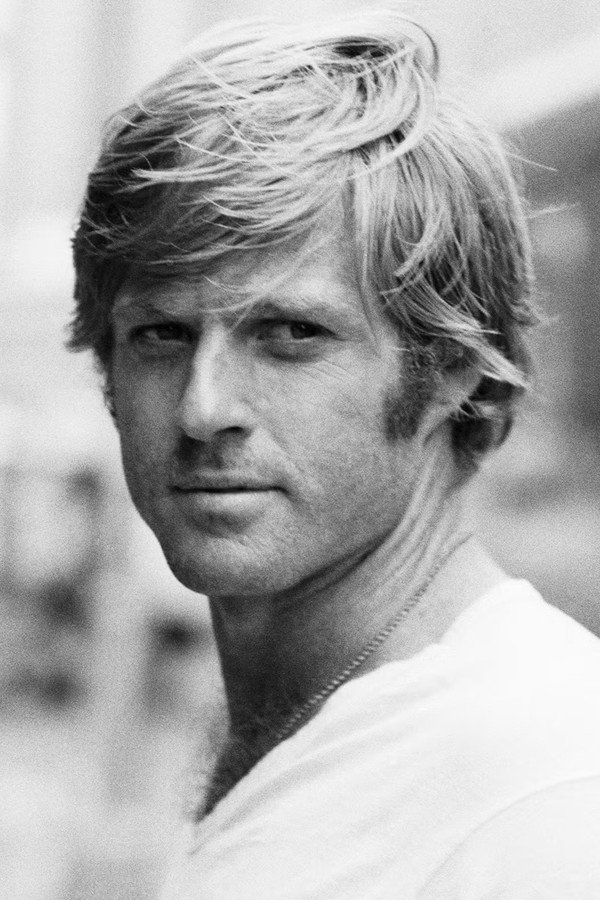
Robert Redford
Paul Bratter

Jane Fonda
Corie Bratter

Charles Boyer
Victor Velasco

Mildred Natwick
Ethel Banks
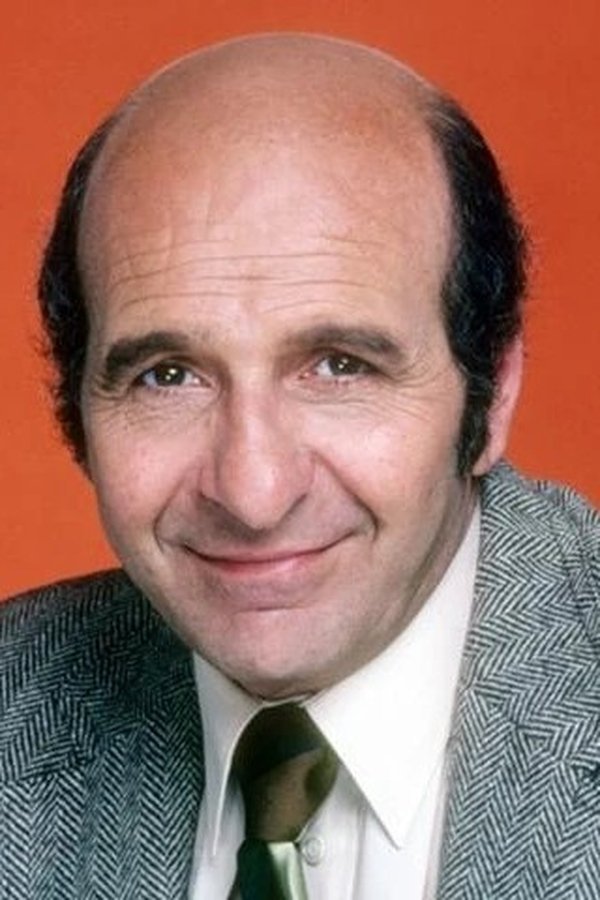
Herb Edelman
Harry Pepper

Mabel Albertson
Harriet

Fritz Feld
Restaurant Proprietor
James Stone
Delivery Man

Ted Hartley
Frank

Doris Roberts
Hotel Maid (uncredited)

Billie Bird
Drunken Neighbor (uncredited)
A trio of girls form a band and enter a singing competition together after learning they work best as a team.
Spotlighting the legacy of the legendary Raymond Lewis through the love of a devoted daughter.
Throughout Brendan Fraser’s career, he has played a plethora of unique, layered characters who explore the importance of not being afraid to display your emotions, something that is often seen to not be a masculine trait. This idea of regulating emotion and what traits men are able to possess creates a toxic atmosphere for men who are often told they should not cry or represent their emotions in any physical way. These characters represent that men can be joyful, emotionally conscious, and sensitive, while also representing their masculine identity instead of painting those qualities as fighting against their masculinity.
The Outer Senshi get characterization and some stellar moments in the second part of the Eternal movie duo.
'Jungle Cruise' is fun if you can ignore the racism of the ride it’s based on and the film’s bland, stereotypical characters.
For those that are unaware, the trailer for the new Civil Rights movie Till has been out and it's absolutely amazing for all to see.