
Redux Redux (2026) and the Violent Nature of Motherhood
A consumed-by-rage woman travels from universe to universe to avenge the death of her daughter by brutally killing her murderer over and over again. And that's all that she does.
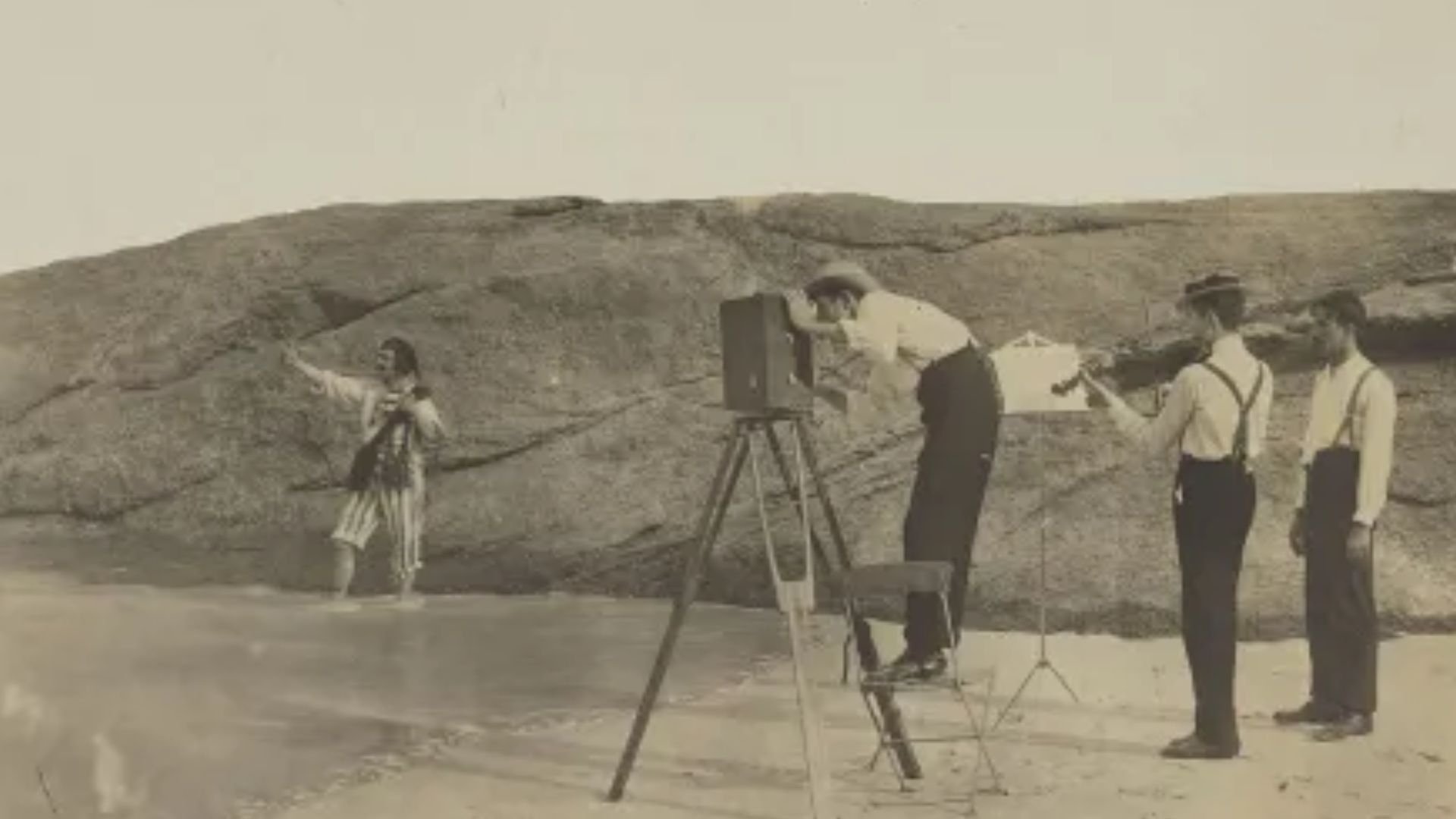
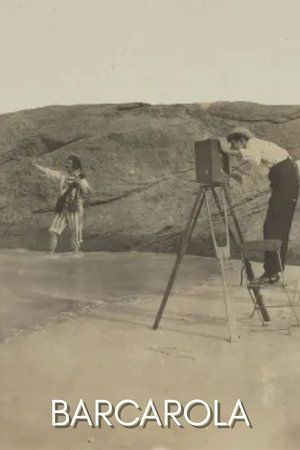


Barcarola is a 1908 Brazilian film directed by Júlio Ferrez. It was the first "sound" film in Brazil, that is, with actors dubbing themselves live, behind the screen, based on already recorded images. Premiered on September 1, 1908. It was produced by the company William e Cia. The film was inspired by the operetta "Les contes d'Hoffmann", by composer and cellist Jacques Offenbach. The film's synopsis is unknown, but given the name, which references the song "Barcarolle", it is very likely that it is inspired by the third act of Les contes d'Hoffmann. Like many films from this era, Barcarola is considered a lost film, with only one surviving image, taken during the film's production.
A consumed-by-rage woman travels from universe to universe to avenge the death of her daughter by brutally killing her murderer over and over again. And that's all that she does.
Dead Poets Society relies on patriarchal tropes such as overbearing fathers, contrived brotherhood, and faux-individuality in order to portray its straight white male characters as oppressed.
"Ladies First" has a fundamental misunderstanding of what's feminine because of the patriarchy and what women do because they genuinely enjoy it.
If you identify as part of the queer community, or if you love old school slasher flicks, you will love this movie.
An attempt to capture nostalgia that unfortunately just doesn’t work
'Little Woods' rethinks the Western genre and examines the misogyny and classism inherent in the healthcare industry.