





Redux Redux (2026) and the Violent Nature of Motherhood
A consumed-by-rage woman travels from universe to universe to avenge the death of her daughter by brutally killing her murderer over and over again. And that's all that she does.
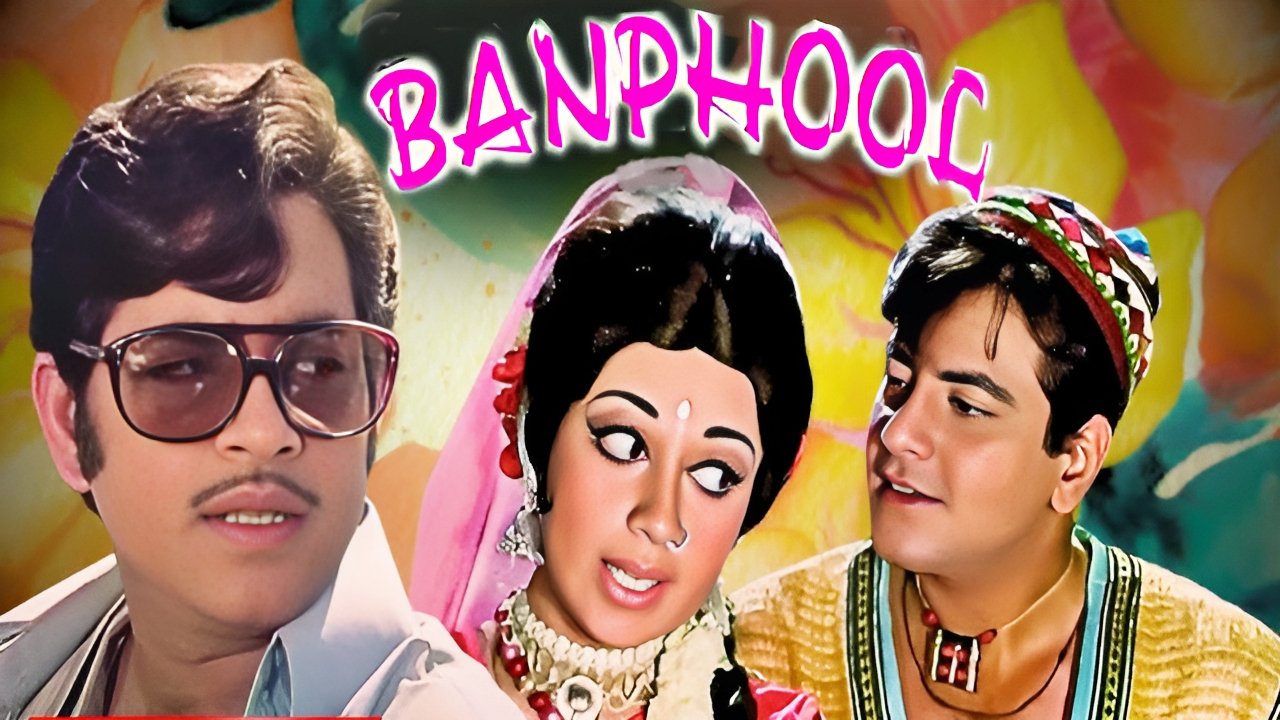
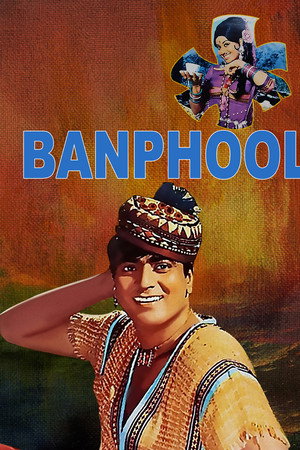


Haria lives with his widowed and elderly grandmother at a tea estate and works as Elephant Driver. He has no knowledge of his biological father, as his mother died at the time of his birth. He meets and falls in love with a gypsy girl, Gulabi, and both want to get married. But Gulabi has another suitor, none other than Ajay, the only son of the tea estate owner. When Ajay finds out that Gulabi loves Haria, he plans to get rid of Haria, but fails. He waits for the right moment, and has his men abduct Gulabi. But before he could have his way with her, she is rescued by Raja, but Ajay subsequently shoots Raja to death. An enraged Haria wants to kill Ajay in return, but Ajay's dad stops him from doing so. Then Ajay's dad finds out a secret about his past life, and decides to change his last will and testament. Ajay finds out about this and lays in wait with a shotgun to kill his very own father - and anyone else who dares to stand in his way
A consumed-by-rage woman travels from universe to universe to avenge the death of her daughter by brutally killing her murderer over and over again. And that's all that she does.
Our protagonists perform as the opposite gender while still preserving the parts of their personalities that makes themselves who they are.
"There is something going on between us that I cannot unravel."
Ultimately, Wicked is a story about the cost of being othered, the pain of being misnamed, and the quiet revolution of standing in your truth.