



“Bury Your Gays” Trope in TV and How “Wynonna Earp” Defies it
I think that the happiness and survival of "Wynonna Earp"’s LGBTQ+ characters is incredibly refreshing in contrast to the prevalence of queer suffering and death in other television.
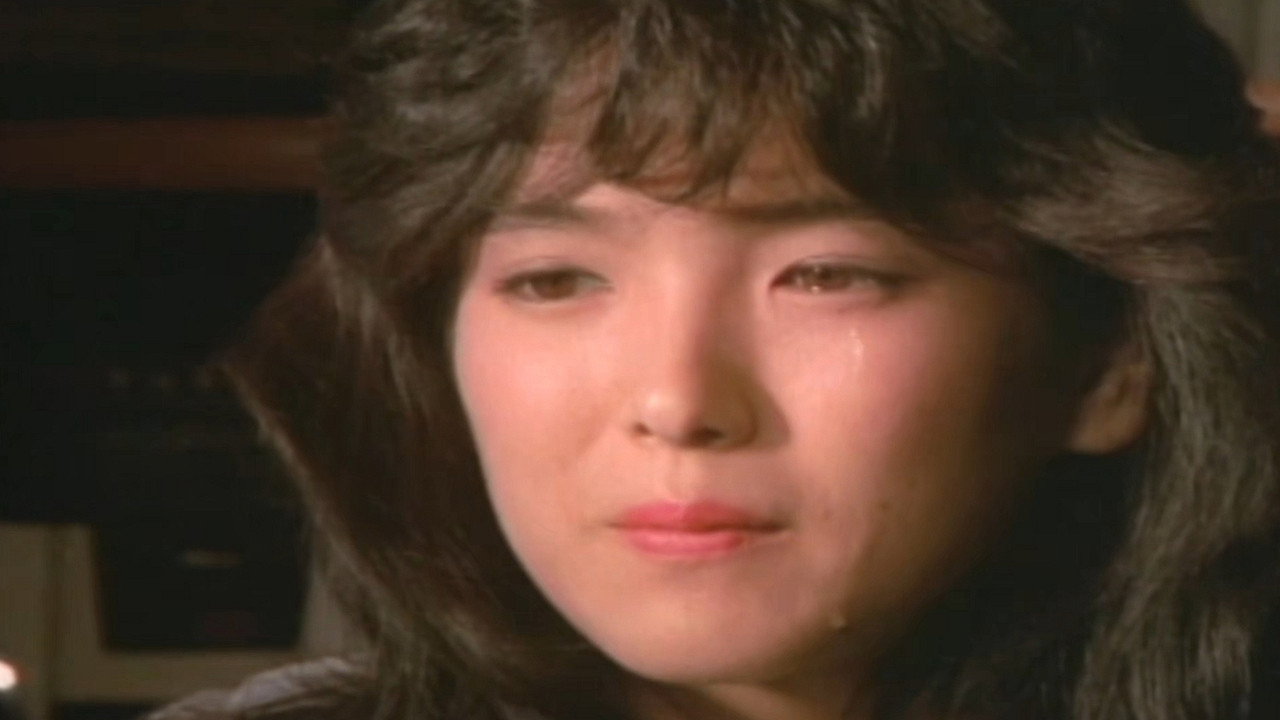
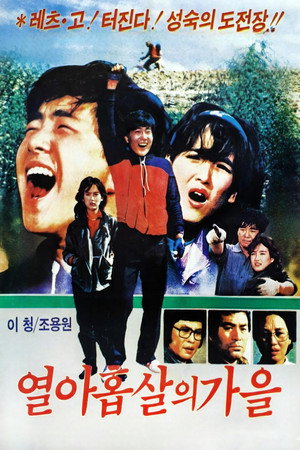


Kang-bi, a freshman in college, always respects his father. However, she finds that one day her father is accused of violating the Food Sanitation Act, and she gradually becomes skeptical of her father. Kang-bi, who is hurt by her, goes on a trip alone. On her journey, Kang-bi meets her friend Dai. Through their journey of ups and downs, they open their eyes to a new experience and realization that they cannot live without forgiving and loving everything in this world
I think that the happiness and survival of "Wynonna Earp"’s LGBTQ+ characters is incredibly refreshing in contrast to the prevalence of queer suffering and death in other television.
'Yuri!!! on Ice' turned queerbaiting on its head and gave me hope when I needed it the most.
Episode 3, entitled “Now in Color,” brings us to the 1970s — a decade full of vibrancy, color, and total mayhem.
Asha, the main character, is a biracial woman who discovers the power of magic wishing dust.
I highly recommend Kill Bill: Volume 2. In classic Tarantino fashion, specific sections of the film are a tad too long, but overall, it’s a wonderful piece of escapist fiction.
This Netflix TV series is perfect for animal lovers as it is centered on human-dog bonding.