What 'Magnolia' Says About Childhood Trauma
Magnolia focuses on how one’s childhood and trauma relate to their confidence and self.
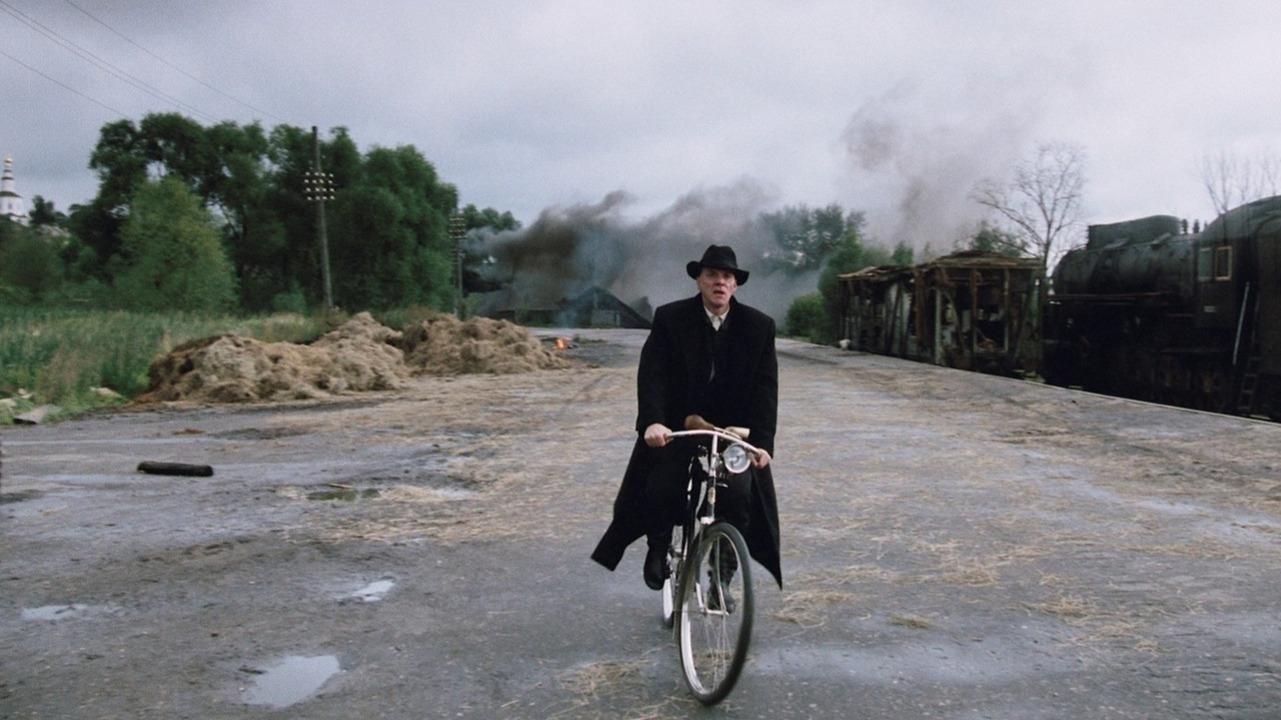



A new doctor from Moscow arrives at a provincial mental institution. His interest is the peculiarities of the psyche of a patient who believes that he is Yakov Yurovsky, the man who assassinated the last Russian tsar. In the course of their conversations it transpires that the patient is a kind of philosopher, not without a gift for suggestion. In a while the doctor himself falls under his patient’s influence: he tends to relive that fatal night of June 16-17, 1918 when, without any investigation or trial, Tsar Nicholas II, who had recently abdicated, was murdered, together with his wife, daughters and incurably ill heir. Soon the doctor realizes that the tragedy of the last Russian tsar is in part his own tragedy, too...
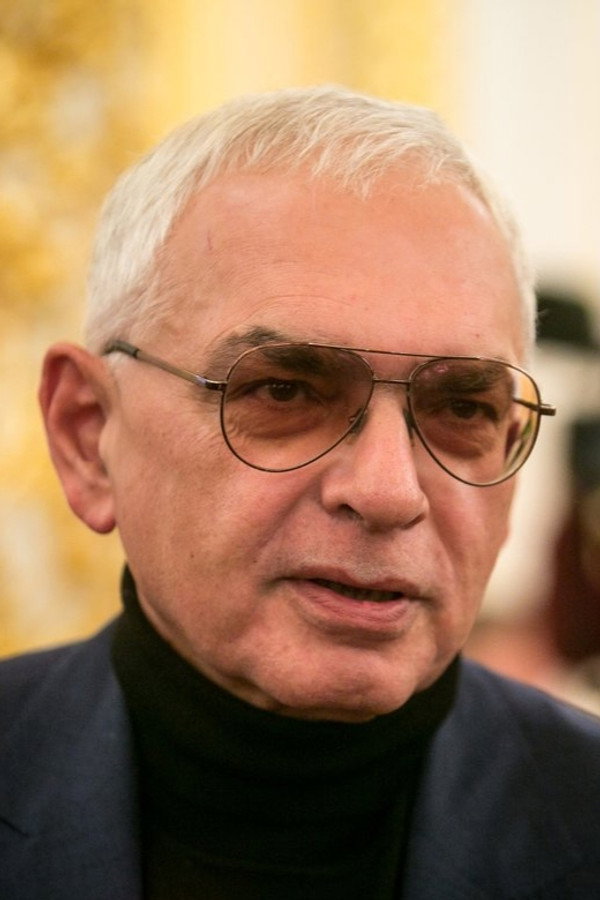
Karen Shakhnazarov
Director

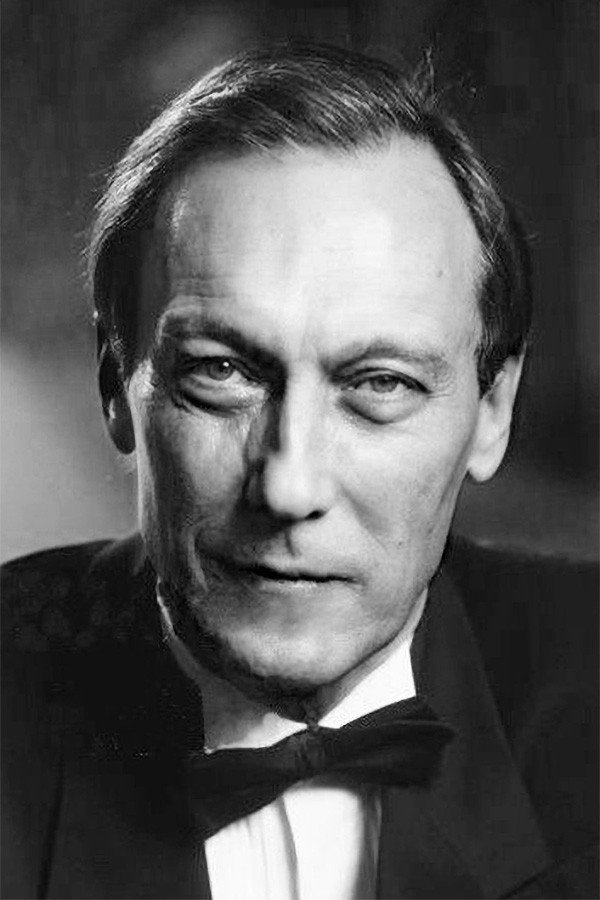
Oleg Yankovsky
Dr. Smirnov / Tsar Nicholas II

Malcolm McDowell
Timofeyev / Yurovsky

Armen Dzhigarkhanyan
Александр Егорович

Yuriy Sherstnyov
Kozlov

Olga Antonova
Tsarina Aleksandra

Anzhela Ptashuk
Marina

Yevgeniya Kryukova
Princess Tatyana

Anastasiya Nemolyaeva
Nurse

Natalya Kishova
Officer's Girlfriend

Givi Tokhadze
general

Yuri Belyayev
Alexander II
Magnolia focuses on how one’s childhood and trauma relate to their confidence and self.
Hours before their line-up of screenings for Trans Awareness Week began, the filmmakers of 'When Men Were Men' chatted with me about the film's personal exploration of masculinity.
The Legendary Clades - a family of explorers - find themselves in a strange new world with fantastic creatures awaiting them. Perhaps their greatest challenge will be healing the ties that bond.
Stevan Lee Mraovitch’s film is a beautiful tribute to family, found family, and the lengths people will go to support their loved ones.
The Mandolorian has a more nuanced and commentative take on masculinity that refrains from praising the toxic traits associated with the social category, while also showing a more positive and transformative representation of masculine characters.
A thief and street dog named Roger has to work with other pets to take down the evil Mayor Frank Stone when he plans to destroy Robo City.