'Moonlight': A Retrospective on Barry Jenkins' Masterpiece
Barry Jenkins' masterpiece holds up as the story of a lifetime centered on the intersection of Blackness and gay identity.



On the bustling streets of 1970s San Francisco, neon lights pierce through the fog-drenched skies, disco music explodes from crowded nightclubs, and a wide- eyed Midwestern girl finds a new home—and creates a new kind of family—with the characters at 28 Barbary Lane. Over three decades after Armistead Maupin mesmerized millions with his daily column in the city's newspapers, detailing the lives and (multiple) loves of Mary Ann, Mouse, Mona, Brian, and their beloved but mysterious landlady Mrs. Madrigal, his iconic San Francisco saga came to life as a momentous new musical at A.C.T.’s Geary Theater.

Jason Moore
Director


Betsy Wolfe
Mary Ann Singleton

Judy Kaye
Anna Madrigal
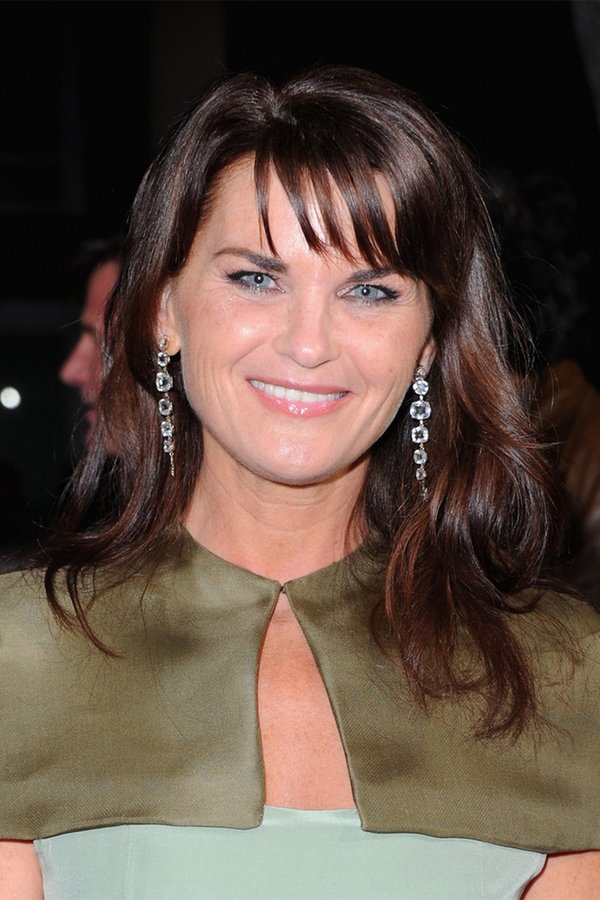
Mary Birdsong
Mona Ramsey

Josh Breckenridge
Jon Fielding

Manoel Felciano
Norman Neal Williams
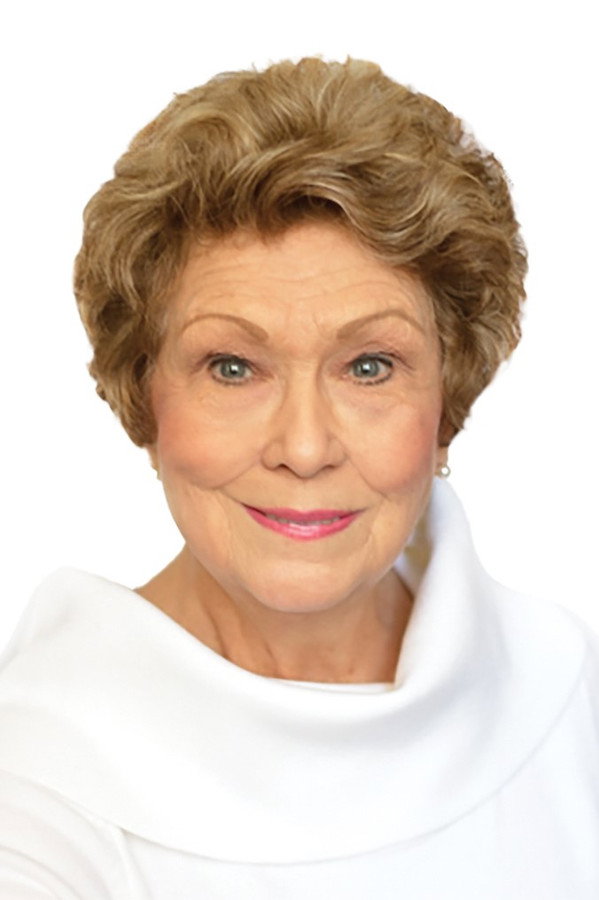
Diane Findlay
Mother Mucca
Kathleen Elizabeth Monteleone
DeDe Halcyon-Day

Richard Poe
Edgar Halcyon

Julie Reiber
Connie Bradshaw
Patrick Lane
Brian Hawkins

Andrew Samonsky
Beauchamp Day
Barry Jenkins' masterpiece holds up as the story of a lifetime centered on the intersection of Blackness and gay identity.
It’s been awhile since I’ve seen a film that is jarring within the first five minutes. Being at the edge of my seat from the very beginning made me feel both excited and frightened for what was to come, and it did not disappoint. Led strongly by Jennifer Lawrence as Grace, a woman trapped in the “American dream”, this film shows that society tells us what should make us happy. Many critics describe Die My Love as being about post-partem depression, but it is so much more. After moving to a secluded home with her husband Jackson, Grace finds herself in the throes of motherhood. Feeling isolated in her physical environment and her romantic relationship, Grace suffers psychologically. Lawrence brings a sense of rawness and humor to the screen that is often uncomfortable. Robert Pattinson adds to the discomfort as her loving, yet lost husband Jackson, who cares about his wife but does not know how to help her. Lynne Ramsay has presented a film that forces us to look at the realness of life, and what happens when the promise of what should make you whole fails.
A young woman finds herself trapped in a crossfire of awkwardness during a nightmarish dinner party with her boyfriend's dysfunctional family.
The 2020 remake of 'The Invisible Man' explores the hidden nature of domestic violence with a classic sci-fi character.
The trouble with Yara (2021) is that in its attempt to tell the whole story, it struggles to tell a consistently engaging story.