What We Do in the Shadows (of Our Closet Walls)
There’s enough evidence to insinuate that What We Do in the Shadows is intentionally queer-coded.




Thomas Karatoulpanis (Dinos Iliopoulos) is a naive employee at a car show in the Thessaloniki International Trade Fair. Because of his modest personality he is constantly criticised by his mother-in-law, his uncle and his boss. The only one who supports him is his wife. But the appearance of a doppelganger who buys extravagant gifts in his name causes a ruckus. Thomas is an amateur singer and participates in the Thessaloniki Song Festival winning the first prize. This is when everyone realises that there are two people who look alike.

Grigoris Grigoriou
Director


Dinos Iliopoulos
Thomas Karatoulpanis

Gelly Mavropoulou
Lila Karatoulpani
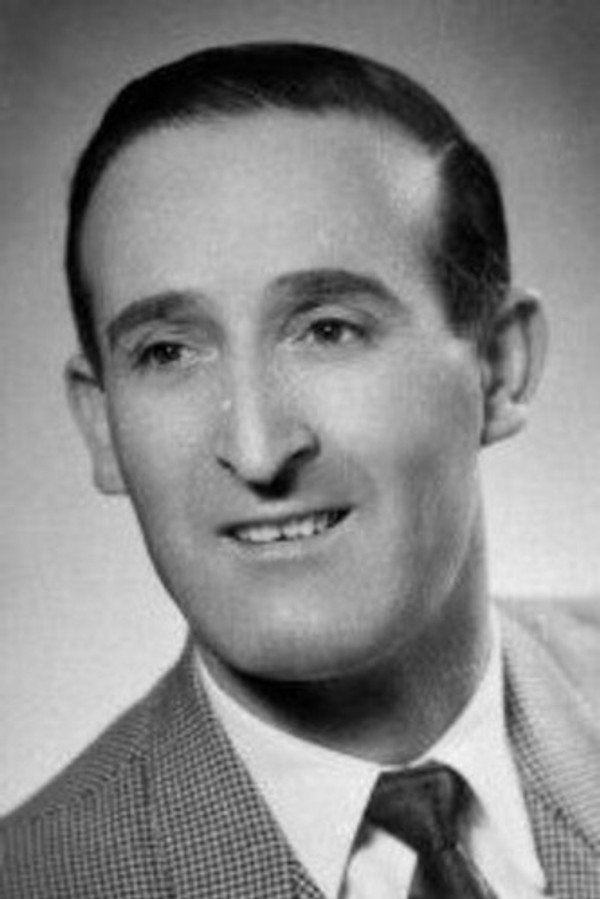
Nikos Stavridis
Lazaros

Koulis Stoligas
Detective Astrapomatis

Marika Krevata
Theoni
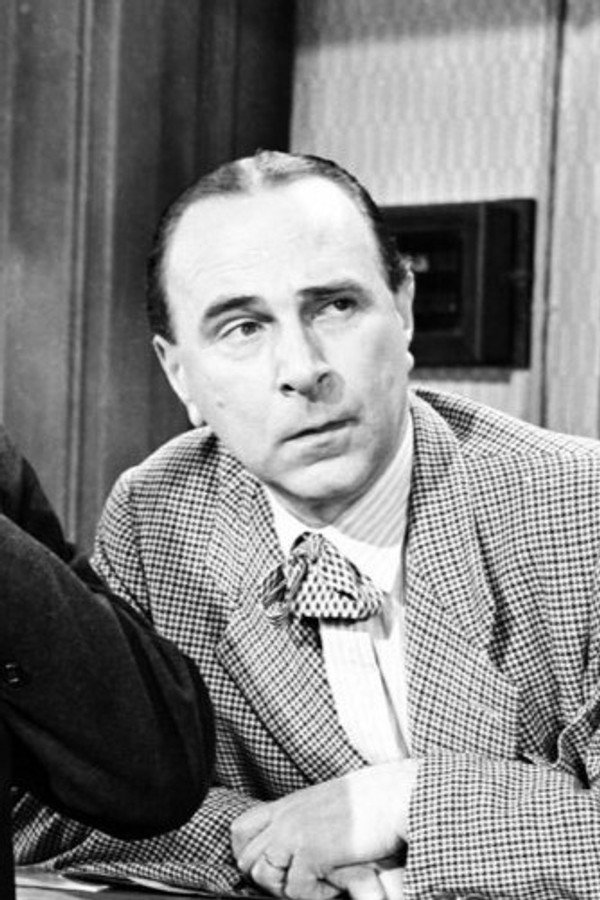
Periklis Hristoforidis
supervisor

Vangelis Ploios
man from flower shop

Dimitra Zeza
Mrs. Papahatzi

Sakis Tsolakakis
taxi driver

Toula Diakopoulou
maid

Manolis Papayannakis
waiter
There’s enough evidence to insinuate that What We Do in the Shadows is intentionally queer-coded.
You'd better buckle up, pack spare underwear, & maybe lay off the drinking for a night, for a gnarly ride in New York!
WandaVision is already proving to be a huge success.
My Beautiful Laundrette is often referenced as a positive LGBTQIA+ film because our two main characters are in a homosexual relationship with no shame, fear of violence or criticism. The struggle is not their sexuality. It is the treatment of the Pakistani citizens in England.
When we hear Korean Cinema, we often think of South Korean Cinema, but what about North Korea? Sure, North Korea has its propaganda moments, but 'Pulgasari' might be its best one yet.
Korean pop culture has mastered emotions as both a scientific field and an artistic revolution. Think of how K-Pop and K-Dramas have taken over the world. How? Simply put — they are addictive. How are they addictive?