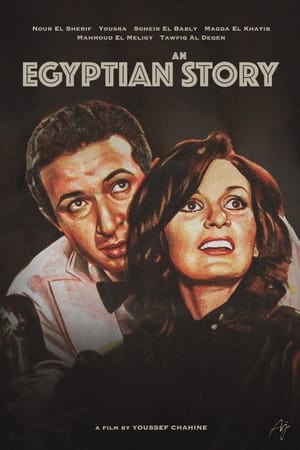
An Egyptian Story
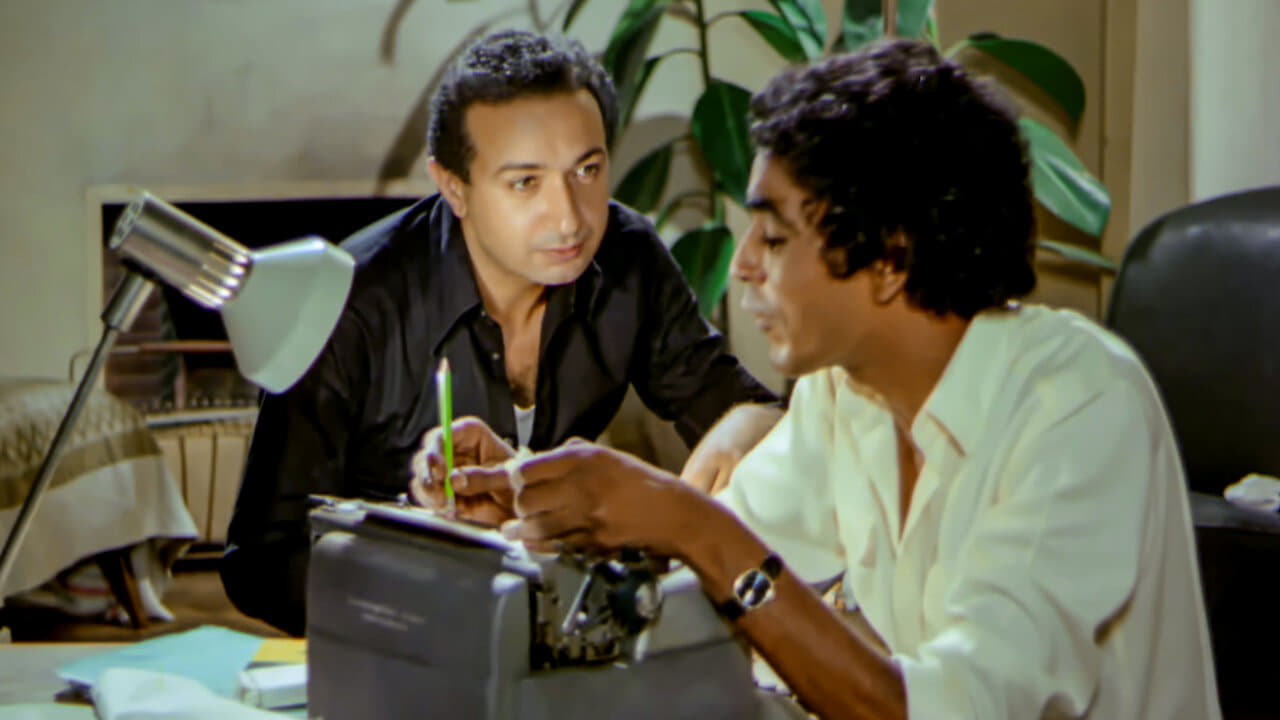
After we last see him in "Alexandria, Why?" Egyptian filmmaker Yehia Mourad is in his thirties, and successful in his work, he has grown distant from his wife and children and suffers a symbolic blockage of the heart while shooting the final scenes of his latest film. After being flown to England for evaluation, it's determined that Yehia must undergo emergency surgery. Fact and fiction blend seamlessly—with healthy doses of cleverly absurdist fantasy—as the film explores the various personalities and forces that have made Yehia (and Youssef Chahine) the man he has become.

- / 5
PopScore
Representation
Pictures and Videos

Movie Information
After we last see him in "Alexandria, Why?" Egyptian filmmaker Yehia Mourad is in his thirties, and successful in his work, he has grown distant from his wife and children and suffers a symbolic blockage of the heart while shooting the final scenes of his latest film. After being flown to England for evaluation, it's determined that Yehia must undergo emergency surgery. Fact and fiction blend seamlessly—with healthy doses of cleverly absurdist fantasy—as the film explores the various personalities and forces that have made Yehia (and Youssef Chahine) the man he has become.
Rating:
Genre:Drama, Fantasy
Written By:Yousef Idris, Youssef Chahine
In Theaters:
Box Office:
Runtime:120 minutes
Studio:MISR International Films












Articles You May Like
Just Mercy: An Admirable Picture
In all actuality, “Just Mercy” should be labeled a “wall punching narrative.” Constantly, the flick throws high forms of adversity our way, amping up our most inner levels of discomfort. Filmmaker Destin Daniel Cretton wonderfully paces the film in such a way that replicates the slow-burn nature of justice.
What We Do in the Shadows (of Our Closet Walls)
There’s enough evidence to insinuate that What We Do in the Shadows is intentionally queer-coded.
‘Halston’ Conveys Confusing Messages of Representation
While it is more than established that Halston’s life is far from a fairytale, the narrative suffers as a result of the decision to revolve more around sex and drugs than his artistry, it likely does a disservice to his cultural impact by pulling focus from his achievements.
What 'Magnolia' Says About Childhood Trauma
Magnolia focuses on how one’s childhood and trauma relate to their confidence and self.
Are We Really Still Talking About Mary Sue?: How Pig Teaches Us a Lesson About a Culinary Superhero
In order to learn why an arguably outdated fanfic trope was resurfacing in the contact zone of popular culture, I dove into a vibrant trough of character development.