
War is Not the Answer: Music in “Da 5 Bloods”
Marvin Gaye's powerful music addresses the same themes as "Da 5 Bloods" and elevates the film to even greater heights.
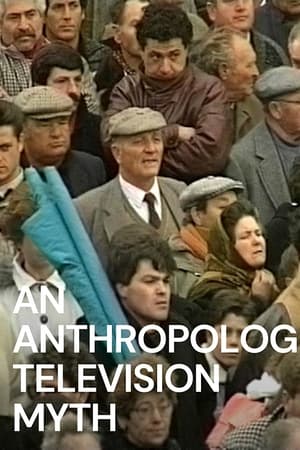


An Anthropological Television Myth is a gloriously jagged collage of fragments culled from an independent Sicilian TV station's output in the mid-90s – the period just before the 'Berlusconi era'. But whereas the Milanese media mogul's spells as president were notable for the cynical degradation of his nation's television output, with its bawdy game-shows earning much overseas derision, the small broadcaster showcased here evidently foregrounded and documented local grass-roots political shenanigans. With no commentary or captions, the film plunges us into a lively day-before-yesterday epoch when the authorities' battles with the Mafia produced an atmosphere akin to Civil War on the streets. Virtuouso editing knits together a dizzyingly wide range of sights and sounds that consistently fascinate and impress.
Marvin Gaye's powerful music addresses the same themes as "Da 5 Bloods" and elevates the film to even greater heights.
In 'Little Boxes," an interracial family moves to an all-white town where they face the judgement of others who have never been exposed to people of color before.
“Nobody 2” is the kind of sequel you expect to roll your eyes at—and then end up grinning through the whole thing. Bob Odenkirk proves once again that an ordinary-looking guy can be the most entertaining action hero alive, battling cartels with harpoons, deep fryers, and pure chaos. Toss in Sharon Stone as a delightfully over-the-top villain, and you’ve got 89 minutes of wild, joyful mayhem that reminds you why going to the movies is just plain fun.
An Indonesian film that brings strong representation of Asian descent in this heart-warming tale of a woman and her dog.
We all have our kinks and fetishes and what turns us on the most. Dog Lover details a serious (and at times unhealthy) look at a fetish that might go a little too far.
Throughout Brendan Fraser’s career, he has played a plethora of unique, layered characters who explore the importance of not being afraid to display your emotions, something that is often seen to not be a masculine trait. This idea of regulating emotion and what traits men are able to possess creates a toxic atmosphere for men who are often told they should not cry or represent their emotions in any physical way. These characters represent that men can be joyful, emotionally conscious, and sensitive, while also representing their masculine identity instead of painting those qualities as fighting against their masculinity.