Why Caves and Trans Allegories Will Get You Through 'The Matrix' Saga
What makes The Matrix saga fascinating is the symbolism of caves and trans allegories




A year has passed in postwar Tokyo, and struggling writer Chagawa enters the Akutagawa Prize competition in hopes of securing a better future for the boy in his care, while the Suzuki family unexpectedly take in a new relative who looks down on their humble way of life.

Takashi Yamazaki
Director


Hidetaka Yoshioka
Ryunosuke Chagawa

Shinichi Tsutsumi
Norifumi Suzuki

Koyuki
Hiromi Ishizaki

Maki Horikita
Mutsuko Hoshino

Hiroko Yakushimaru
Tomoe Suzuki

Tomokazu Miura
Dr. Takuma
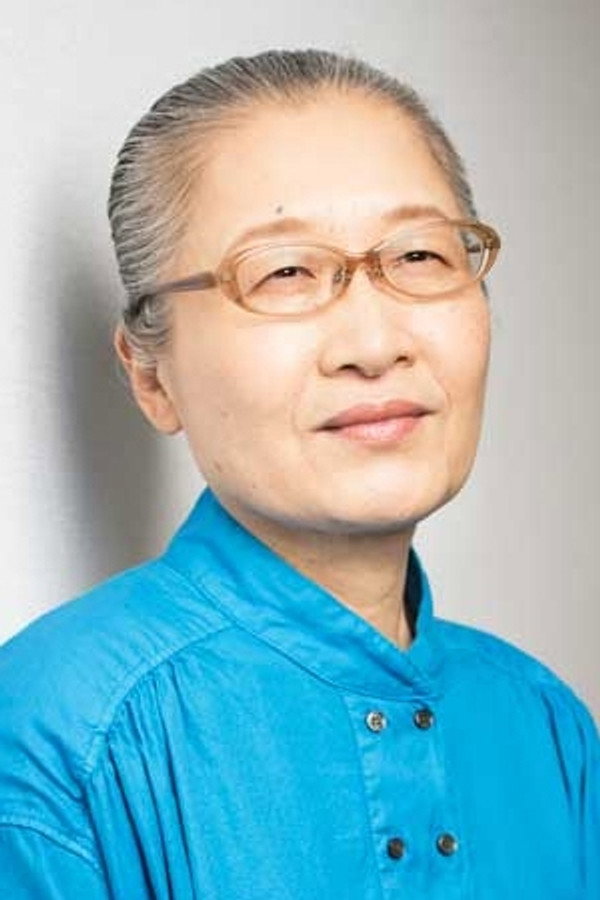
Masako Motai
Kin Ohta

Fumiyo Kohinata
Yasunari Kawabuchi

Kenta Suga
Junnosuke Furuyuki

Kazuki Koshimizu
Ippei Suzuki

Takaya Kamikawa
What makes The Matrix saga fascinating is the symbolism of caves and trans allegories
Life may find a way, but is it worth testing its fierceness and how far it will go?
Throughout Brendan Fraser’s career, he has played a plethora of unique, layered characters who explore the importance of not being afraid to display your emotions, something that is often seen to not be a masculine trait. This idea of regulating emotion and what traits men are able to possess creates a toxic atmosphere for men who are often told they should not cry or represent their emotions in any physical way. These characters represent that men can be joyful, emotionally conscious, and sensitive, while also representing their masculine identity instead of painting those qualities as fighting against their masculinity.
‘Better Than Chocolate’ isn’t perfect, but it sure has charm! The characters are great. Some took longer to grow on me than others, but ultimately they’re all compelling! I appreciate how a select few help those around them to grow.
The “gay best friend”, an age-old trope, has been done in countless films and television series. Ranging from one-note (Sex and the City's Stanford and Mario) to nuanced (Unbreakable Kimmy Schmidt's Tituss), the gay best friend exists to support and advise the main protagonist, with their conflicts swept to the side.
A Christmas tale that everyone is wishing for, and that everyone will remember.