




A Conversation With the Filmmakers of 'When Men Were Men'
Hours before their line-up of screenings for Trans Awareness Week began, the filmmakers of 'When Men Were Men' chatted with me about the film's personal exploration of masculinity.

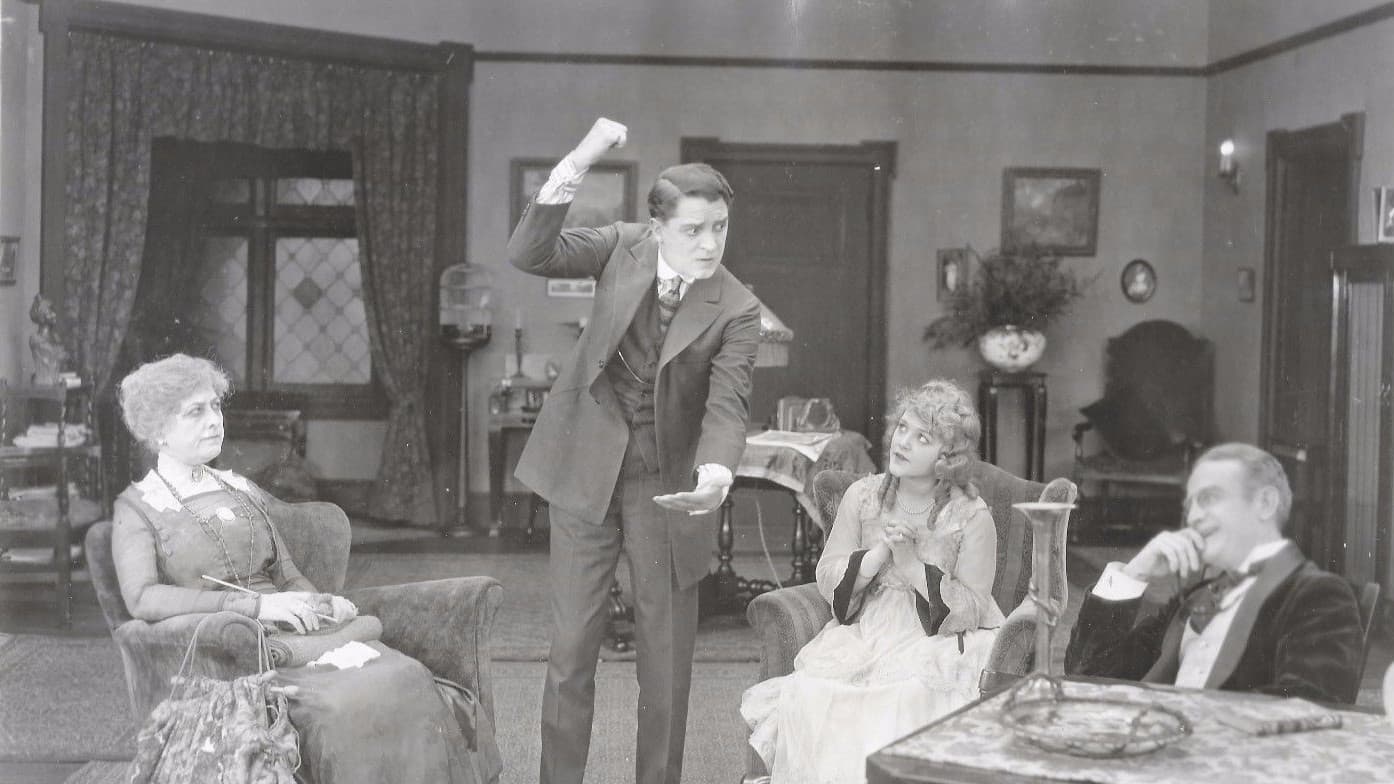
Salesman Warren Kent develops the idea of "The Unending Courtship" and manages to convince his new wife Betty of his theory, which entails their living separately and only meeting on Wednesday evenings, as they did while they were engaged. Warren's boss, however, who was never enamored of the idea, fires him when he bungles an account and loses the company a large order. On top of that, through a series of misunderstandings Warren comes to believe that his wife is pregnant and his mother-in-law believes that Warren is having an affair with Betty's friend Ethel. Things go downhill for Warren from there.
Hours before their line-up of screenings for Trans Awareness Week began, the filmmakers of 'When Men Were Men' chatted with me about the film's personal exploration of masculinity.
In all actuality, “Just Mercy” should be labeled a “wall punching narrative.” Constantly, the flick throws high forms of adversity our way, amping up our most inner levels of discomfort. Filmmaker Destin Daniel Cretton wonderfully paces the film in such a way that replicates the slow-burn nature of justice.
“Trust your gut" is one of the most common pieces of advice you’ll receive during your lifetime. And as a person inclined to trust my intuition above all else, it’s the most common advice I find myself giving in real life and in my online socialising. But what happens when your gut is trying to warn you that something is seriously wrong without you being able to identify what triggered it in the first place? How can you act on a feeling or make it go away when you don’t have a clue about what could be wrong? How can you trust your intuition when you don’t know what makes it act out in the first place?
A spoiler-free review of 'Glass Onion: A Knives Out Mystery,' highlighting the way the modern setting and current social climate once again influence Johnson's approach to the whodunit narrative.
While the camera is objectifying her body to invoke a sexual response in male viewers, Lara Croft still defies the expectations of women in action films.