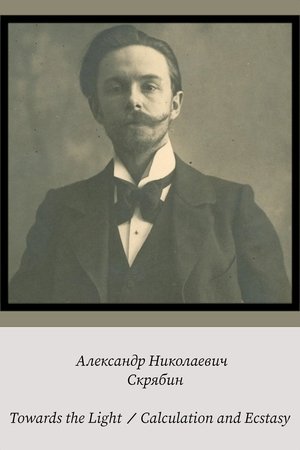
Alexander Scriabin – Towards the Light / Calculation and Ecstasy
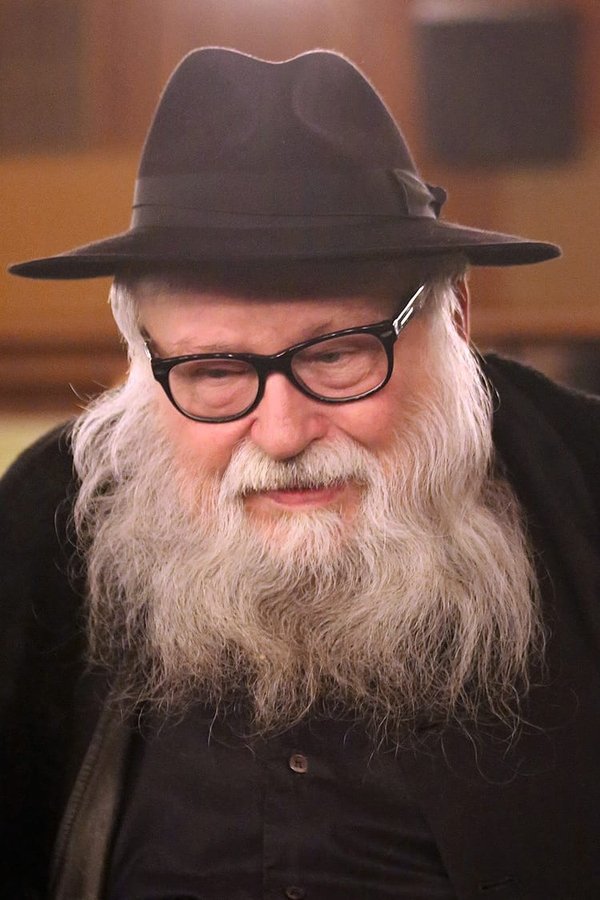
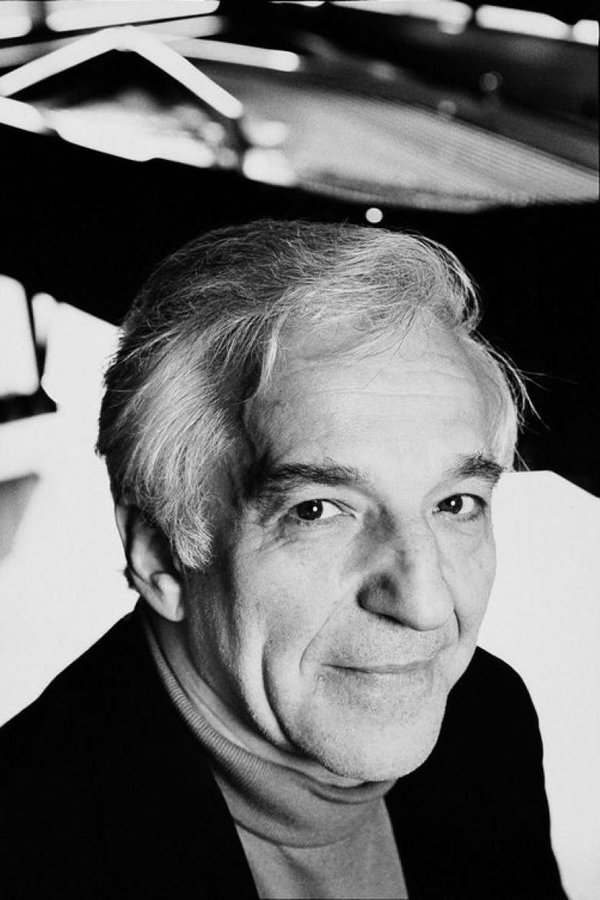
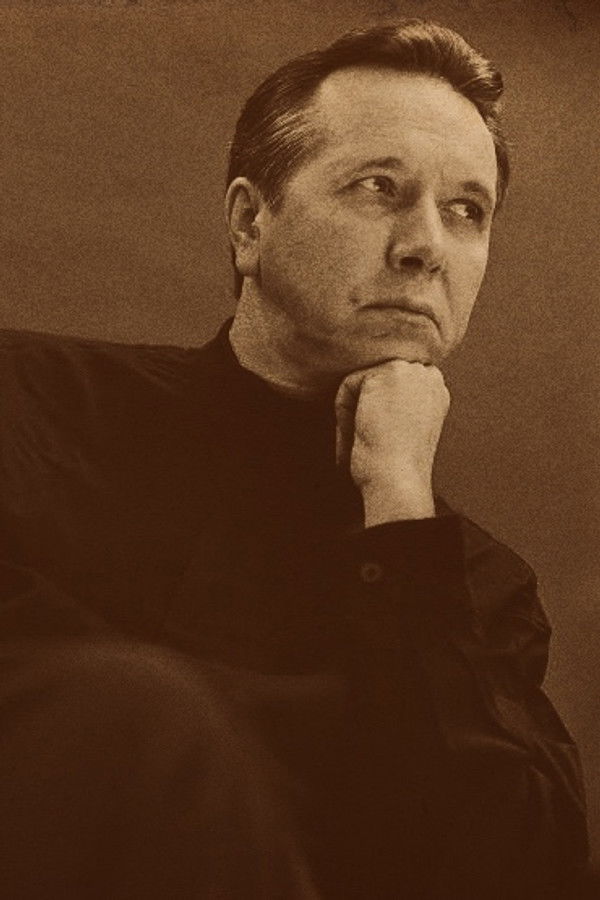
Alexander Scriabin (1872–1915) born in Moscow, was an innovative, mystical, avant-garde Russian pianist and composer. This film explores Scriabin’s profound vision of art's unity — where music, movement, light and colour merge to create transcendent experiences. Some claim Scriabin pioneered atonality before Schoenberg. Key works: Poème, Op. 32 No. 1 (1903) and Vers la flamme, Op. 72 (1914). Featuring commentary from esteemed musicians like Eduard Artemyev, Vladimir Ashkenazy and Vladimir Horowitz, Artist: Hermann Nitsch, conductor Mikhail Pletnev and insights from Scriabin’s daughter: Marina Scriabine, this documentary offers a unique glimpse into the life and works of one of music’s most enigmatic figures. Shot across stunning locales in Switzerland, Italy and Russia, enriched with Scriabin’s own writings and rare archival materials. The highlight includes a historic recording of Scriabin himself, playing his Poem Op. 32 No. 1 on a Welte Mignon player-piano, recorded in 1908.

- / 5
PopScore
Representation
Pictures and Videos

Movie Information
Alexander Scriabin (1872–1915) born in Moscow, was an innovative, mystical, avant-garde Russian pianist and composer. This film explores Scriabin’s profound vision of art's unity — where music, movement, light and colour merge to create transcendent experiences. Some claim Scriabin pioneered atonality before Schoenberg. Key works: Poème, Op. 32 No. 1 (1903) and Vers la flamme, Op. 72 (1914). Featuring commentary from esteemed musicians like Eduard Artemyev, Vladimir Ashkenazy and Vladimir Horowitz, Artist: Hermann Nitsch, conductor Mikhail Pletnev and insights from Scriabin’s daughter: Marina Scriabine, this documentary offers a unique glimpse into the life and works of one of music’s most enigmatic figures. Shot across stunning locales in Switzerland, Italy and Russia, enriched with Scriabin’s own writings and rare archival materials. The highlight includes a historic recording of Scriabin himself, playing his Poem Op. 32 No. 1 on a Welte Mignon player-piano, recorded in 1908.
Rating:
Genre:Documentary
Written By:
In Theaters:
Box Office:
Runtime:58 minutes
Studio:

Articles You May Like
A New Masculinity: "The Mandalorian" Redefines Male Representation in Star Wars
The Mandolorian has a more nuanced and commentative take on masculinity that refrains from praising the toxic traits associated with the social category, while also showing a more positive and transformative representation of masculine characters.
Honey Girls Jam Their Hearts Out
A trio of girls form a band and enter a singing competition together after learning they work best as a team.
Luke Skywalker, Gay Icon: Part 1
Star Wars is better if you believe that Luke Skywalker is gay. You can't change my mind.
"Mercy" is a Pro-AI Sci-Fi Thriller that Barely Makes Sense
Even without the messaging, Mercy does not hold up as a movie. It's sloppily done and the mystery doesn’t tie together at the end.
‘Thor: Love and Thunder’ Review: Not Marvel’s Gayest Movie Ever
Taika Waititi and the cast of Thor: Love and Thunder have been hyping up the gayness of this movie, and while there are queer characters, it's not quite the representation we were hoping for.