‘Fast Color’: A Strikingly Different Take on the Superhero Film - Movie Review
Set in a future dystopian United States in which water is running out, Julia Hart’s Fast Color (2018) is a refreshingly different take on the superhero film.




Once the show is over at Bastille Opera's 6th basement, Professor Turrel and his team open their shop. The service offers the opportunity for couples to say goodbye beautifully: recycling sets, performers and musicians. But tonight, we follow Thibaut's story: a man who couldn't say goodbye to his love.

Jeanne Frenkel, Cosme Castro
Director
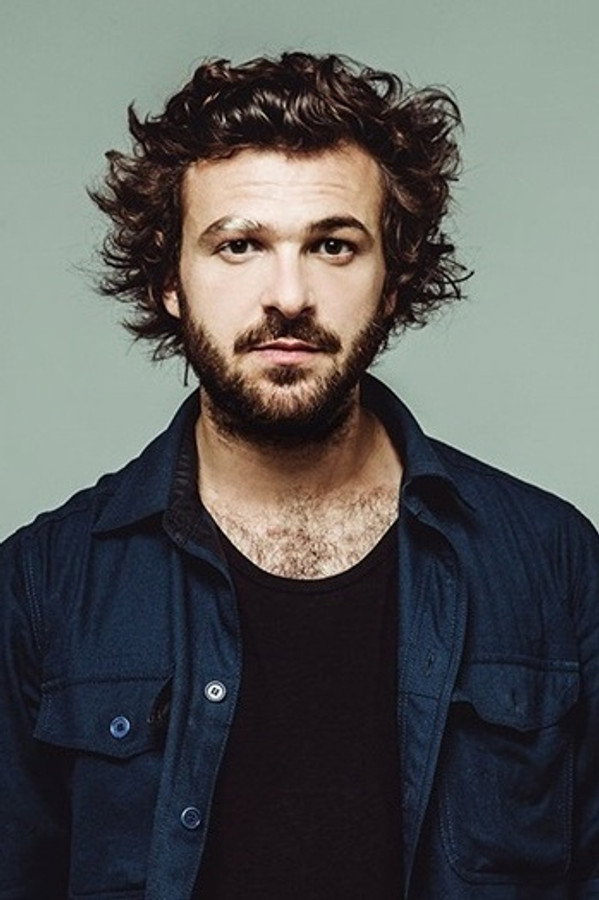
Thibaut Évrard
Thibaut Prigent

Richard Sammel
Professeur Turrell
Lucie Digout
Sarah
Pascal Rénéric
Marcus
Fanny Santer
La secrétaire

Louis Arène
Oscar

Anne-Gaëlle Jourdain
L'épouse guinguette

Grégoire Tachnakian
Le mari guinguette

Stanley Weber
L'acteur guinguette
Mathias Pradenas
Mathias
Set in a future dystopian United States in which water is running out, Julia Hart’s Fast Color (2018) is a refreshingly different take on the superhero film.
How do zombie films shine new light in the post-Covid and post-Brexit era?
Slumber Party Massacre is a gory film with just enough commentary on sexist excuses, the validity of women's voices, and the inherent feminism of the slasher.
With The Father, writer-director Florian Zeller- who wrote and developed the play upon which the film is based- pulls no punches as he confidently makes every effort to put the audience in the mind of someone whose grip on reality has all but vanished. It’s a dazzling testament to Zeller’s abilities as a director as he makes his first transition from stage to film appear as if he’s been working behind a camera his entire career. The dialogue he fashions with co-writer Christopher Hampton, along with the work of production designers Peter Francis and Cathy Featherstone, collectively makes the downward spiral of dementia startlingly tangible, doing so in a way that can be comprehended by everyone except the person it directly affects.
In all honesty, “Black and Blue” is a satisfying experience, complete with solid craftsmanship. With the help of cinematographer Dante Spinotti, Deon Taylor (the director) creates a murky, lived in atmosphere.
The concept of male fragility is explored (interestingly, by a male director) in The Sun Never Sets