

A Dog's Life Leads to a Heart Parade
A young woman who dislikes dogs changes forever when a beloved pet comes into her life in this heartwarming story for animal lovers.

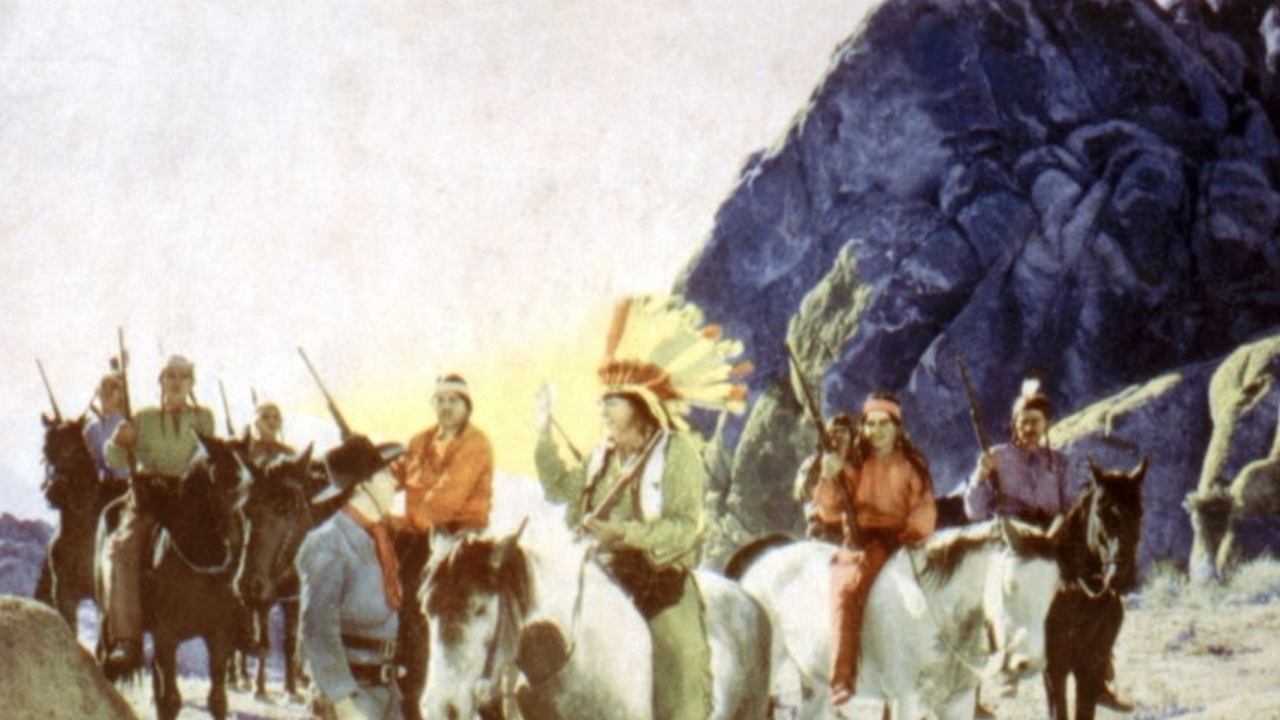
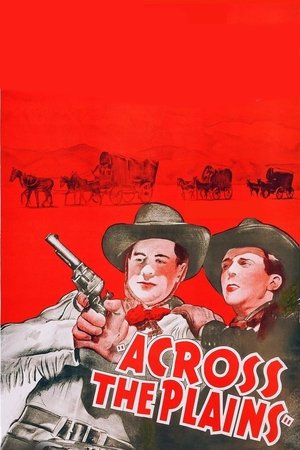
Two young brothers are separated when their wagon train is attacked and their parents killed. One brother Cherokee is raised by Indians and the other, the Kansas Kid, by the outlaw gang leader Buff. Twenty years later they unknowingly meet again when the Kid goes after wagons being guided by Cherokee.
A young woman who dislikes dogs changes forever when a beloved pet comes into her life in this heartwarming story for animal lovers.
"Thunder Road" presents the grief that comes from a family member taking their own life.
Initially feeling like a passionate group having a bit of harmless fun with filmmaking, it leads to something sinister enough to leave a mark.
The multifaceted musical represents America in the 1960s and the battle against bigotry as an ensemble cast portrays how to fight for the limelight.
The social issues The Half of it takes on are handled well, between the antagonization brought on to Ellie for her race and the conflict that arises from her being gay. Both aspects of her character are built up over the course of the film and don’t seem abrupt or rushed. The film shows racism towards Ellie and her and father in varying levels, from having her schoolmates specifically address her as "Chinese girl” to the fore mentioned way her Dad is treated due to language barriers. The same can be said about Ellie being a lesbian. While she never truly “comes out” in the narrative, that does not undermine her journey of self-discovery from being meaningful. These ideas aren’t thrust upon the viewer in a preachy manor, the scenarios that occur feel believable given the rural setting. The film presents watchers with problems whom those like Ellie may face, and leaves us to sit with them and reflect.
I understood post-memory as passing down stories and images of one’s experiences that are not your own. For decades, rape has been depicted in cinema through a third-person perspective, leaving the viewer to observe rape; not to experience it.