Reflecting on 'The United States vs. Billie Holiday'
Lee Daniels’s Billie Holiday biopic The United States vs. Billie Holiday was released on February 26th, 2021, and my immediate reaction to it was one of discomfort.




A young journalist uncovers an assassination disguised as a suicide, linked to an American multinational seeking to dominate French industries. Determined to expose the truth, he races against time to gather evidence before more lives—and his own—are at stake.

Henri Verneuil
Director


Patrick Dewaere
Paul Kerjean
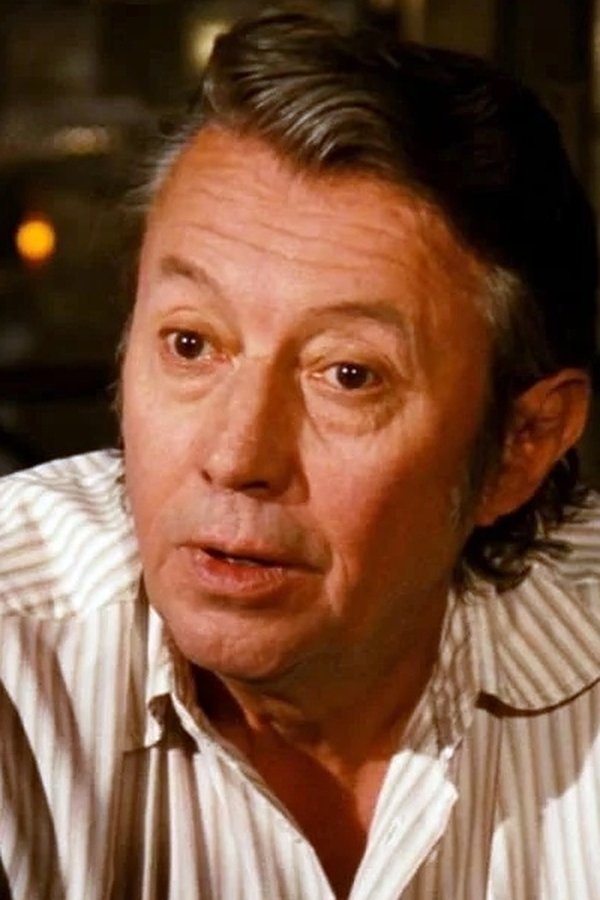
Michel Auclair
Michel Saint-Claude, director of GTI-Europe

Caroline Cellier
Hélène Kerjean

Charles Denner
Walter, private detective

Anny Duperey
Laura Weber, JBL's mistress

Jeanne Moreau
Madame Benoît-Lambert

Mel Ferrer
Cornelius A. Woaegen, president of GTI

Jean-Laurent Cochet
Serge Hartmann, director of La Tribune

Fernand Ledoux
Mr. Guérande

André Falcon
Pierre Bayen, editor-in-chief

Claude Vernier
Dr. Gerhard Kramer
Lee Daniels’s Billie Holiday biopic The United States vs. Billie Holiday was released on February 26th, 2021, and my immediate reaction to it was one of discomfort.
Seriously, and this is coming from someone who was extremely skeptical before giving it a watch. I assumed the show would be painfully boring, but one of the show's strongest qualities is you needn't know anything about the lore to get invested in it.
On the Road captures the bleak, hyper-masculine world of long-haul trucking in Northern Mexico, where anything can and will happen. A hard-boiled, neon-noir romantic thriller, it shows the gritty reality of roadside diners, truck stops, and truck cemeteries alongside the expansive, breathless beauty of the Mexican desert highways.
Everyone needs a BFF and a "wing person" like Yumi (Chloris Li). Li brings the "straight person" persona, literally and figuratively balancing James Aaron Oh's perfectly timed comedic delivery as the unlucky-in-love.
I hope that more people will see Joyland, understand the situation, and eventually change themselves and society so we can have a more accommodating world where everyday tragedies like the one depicted in the film do not occur.
The “gay best friend”, an age-old trope, has been done in countless films and television series. Ranging from one-note (Sex and the City's Stanford and Mario) to nuanced (Unbreakable Kimmy Schmidt's Tituss), the gay best friend exists to support and advise the main protagonist, with their conflicts swept to the side.