



“Bury Your Gays” Trope in TV and How “Wynonna Earp” Defies it
I think that the happiness and survival of "Wynonna Earp"’s LGBTQ+ characters is incredibly refreshing in contrast to the prevalence of queer suffering and death in other television.

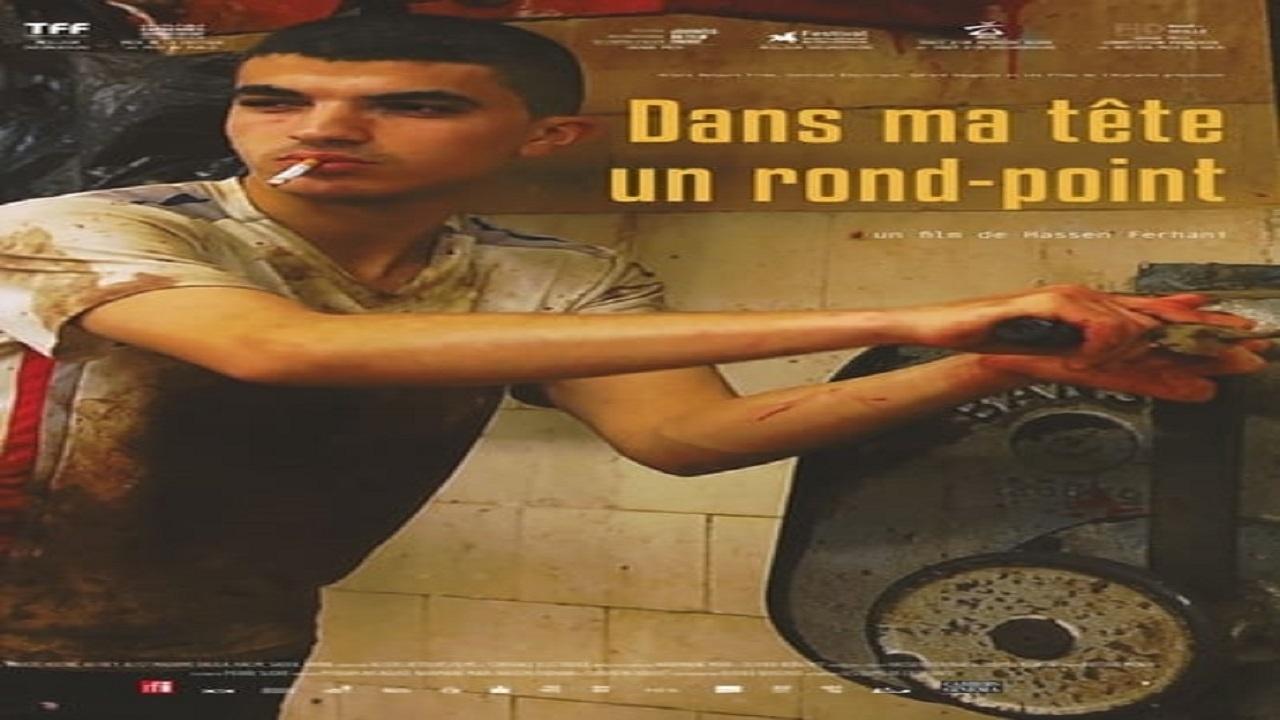
In the largest slaughterhouse in Algiers, men live and work in closed to the throbbing rhythms of their tasks and their dreams. Hope, bitterness, love, paradise and hell, the football stories as of the Chaabi and Rai melodies that set their lives and their world.
I think that the happiness and survival of "Wynonna Earp"’s LGBTQ+ characters is incredibly refreshing in contrast to the prevalence of queer suffering and death in other television.
We chat with Penelope Lawson about her short film, The Dinner Party, her experience founding her own production company, and fun cinema.
These confines won’t really encourage you to read the film as a metaphor for the nerve-inducing experience we’ve all been through over the last year, however — and in the interest of maintaining your dignity, you probably shouldn’t. While the sociopolitical commentary may have worked for the similarly-themed Buried (2010), in which we find Ryan Reynolds on his own buried alive in the Middle East, but this futuristic take on the premise is best left as a piece of distracting entertainment. Nevertheless, the atmosphere is no less suffocating, literally and dramatically.
It’s dark, uncomfortable, and there are things that don’t make sense.
'Sex Education' is one of the most diverse shows I've ever seen! From sexuality to gender identity to race, this show features so many minorities and so many different kinds of relationships!
Many call 'Tragedy Girls' a modern-day 'Heathers', and I do see the resemblance. The film asks the same question that all teenagers suffer with: who am I? Well, the movie answers this — you are your online presence.