A Monk's Madness
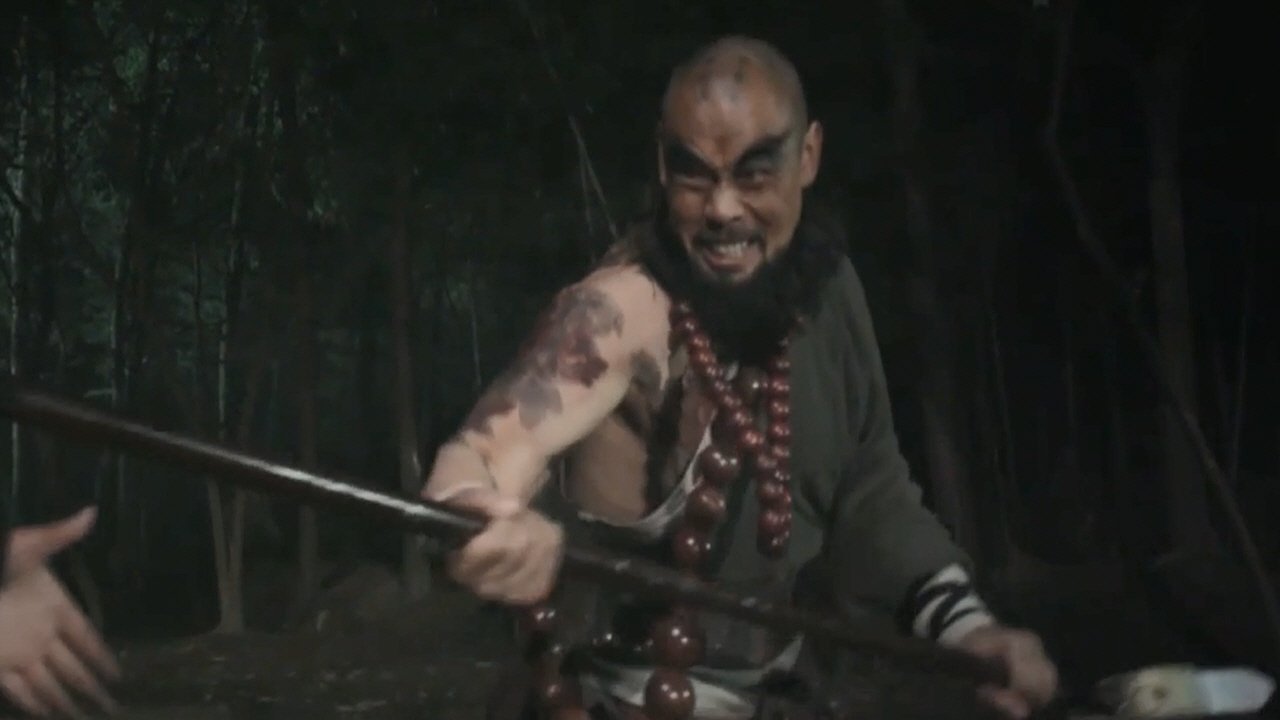
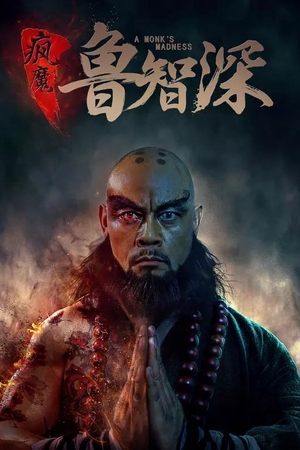
During the Northern Song dynasty, Lu Zhishen kills Zhen Guanxi and flees to Wenshu Monastery in Wutai Mountain and become a monk. However, he couldn't control his desire to kill and was sent by the elders of the Buddhist monastery to go to Daxiangguo Temple in Bianliang, the capital of Song dynasty, to further cultivate himself. On this journey, he witnessed numerous injustices, causing him to feel deep remorse for past deeds. Finally, after seeing the terrible corruption of government officials and the way they killed innocent civilians, he spiralled into the madness with revengeful anger.

- / 5
PopScore
Representation
Pictures and Videos

Movie Information
During the Northern Song dynasty, Lu Zhishen kills Zhen Guanxi and flees to Wenshu Monastery in Wutai Mountain and become a monk. However, he couldn't control his desire to kill and was sent by the elders of the Buddhist monastery to go to Daxiangguo Temple in Bianliang, the capital of Song dynasty, to further cultivate himself. On this journey, he witnessed numerous injustices, causing him to feel deep remorse for past deeds. Finally, after seeing the terrible corruption of government officials and the way they killed innocent civilians, he spiralled into the madness with revengeful anger.







Articles You May Like
Poverty and the Cycle of Violent Youth in 'City of God'
'City of God' depicts the cylindrical cycle of violence that is forced upon the underprivileged.
Skater Girl – Sisterhood, Rebelliousness, Social Castes, and Skateboarding
This little Netflix film was very inspirational. It passes the Bechdel test, and features a different worldview with rural Indian representation.
Game of Thrones Retrospective: No One Wants to Sit on the Throne Anymore
It took writers D.B Weiss and David Benioff two years to give us a promising final season. Two. Years. It was just going to be six episodes, which was short considering that all the other seasons — except season 7 — were 10 episodes. 10. 6 wasn’t enough, and even HBO wanted to give the writers more episodes. More seasons, even. However, the writers wanted to get out of the show as quickly as possible to work on other projects. This abruptness is clearly shown in this season.
Writing Great Villains: Why They Shouldn't Be Sympathetic
Writing great villains is about striking a balance between charming and evil, so we love them but also love to see them lose.
‘The Little Mermaid’: Halle's Musical Debut Rockets to $400+ Million Dollar Box Office
Halle's belting, crystal clear notes, and warm tone infused something into this blockbuster that I thoroughly enjoy.