
"Queen & Slim" Needs a Trim
Queen & Slim is a nice example of representation in both cast and crew

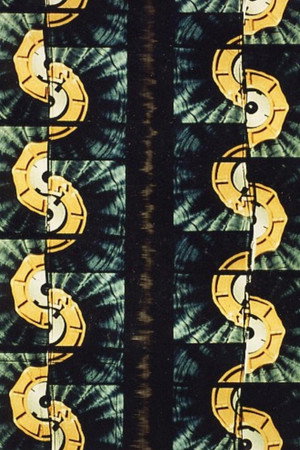


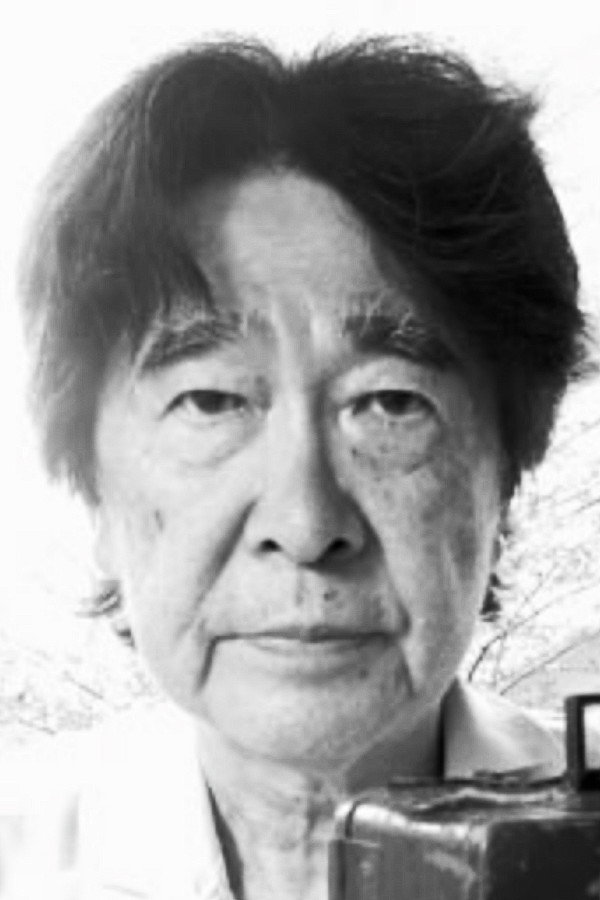
"Jun'ichi Okuyama is a cinedoer." Jun'ichi Okuyama plays making a film from the material and accidents that gradually disrupt the natural recording of the camera. It all starts and ends with the noise of the projector. Landscape sequences gradually undergo interference and rhythmic interruptions of one hand, of a reel in motion and then of a crack passing through the photogram from one side to the other, are all tangible signs of the presence of the filmmaker. The universe breaks up and recomposes in this back and forth between reality and its "in the movie" reflection.
Queen & Slim is a nice example of representation in both cast and crew
Ever since the mid-’90s, the Mortal Kombat game franchise has seen multiple attempts to make it on the big screen, or at least adapted into other media.
An unlikely friendship changes the hearts of men, and helps a young boy come into his own.
An aspect of She-Ra that I find refreshing is even though a large portion of the cast is on the LGBTQ+ Spectrum, being gay is never mentioned. While this might initially sound like a negative thing, in the show’s land of Etheria being on the gay spectrum is shown to be so common and normalized that straight isn’t the default. As much as there is to appreciate about narratives revolving around the obstacles that may come from being non-heteronormative, it’s nice to get immersed in a world where no one bats an eye at all to any sort of differing identity.
Films can alleviate alienation by presenting realities where the viewers feelings are shared by onscreen characters. The film 'Shrek' can be interpreted as a transgender story.
'Yes, God, Yes (2019)' is a coming-of-age tale about a Christian teenage girl discovering her sexuality, the turbulence that comes with it from within herself, and the judgment from those around her.