








Tubi Halloween Picks
I like discovering something new among the old and Tubi has an assortment of horror films from cinema's past for just such an occasion.
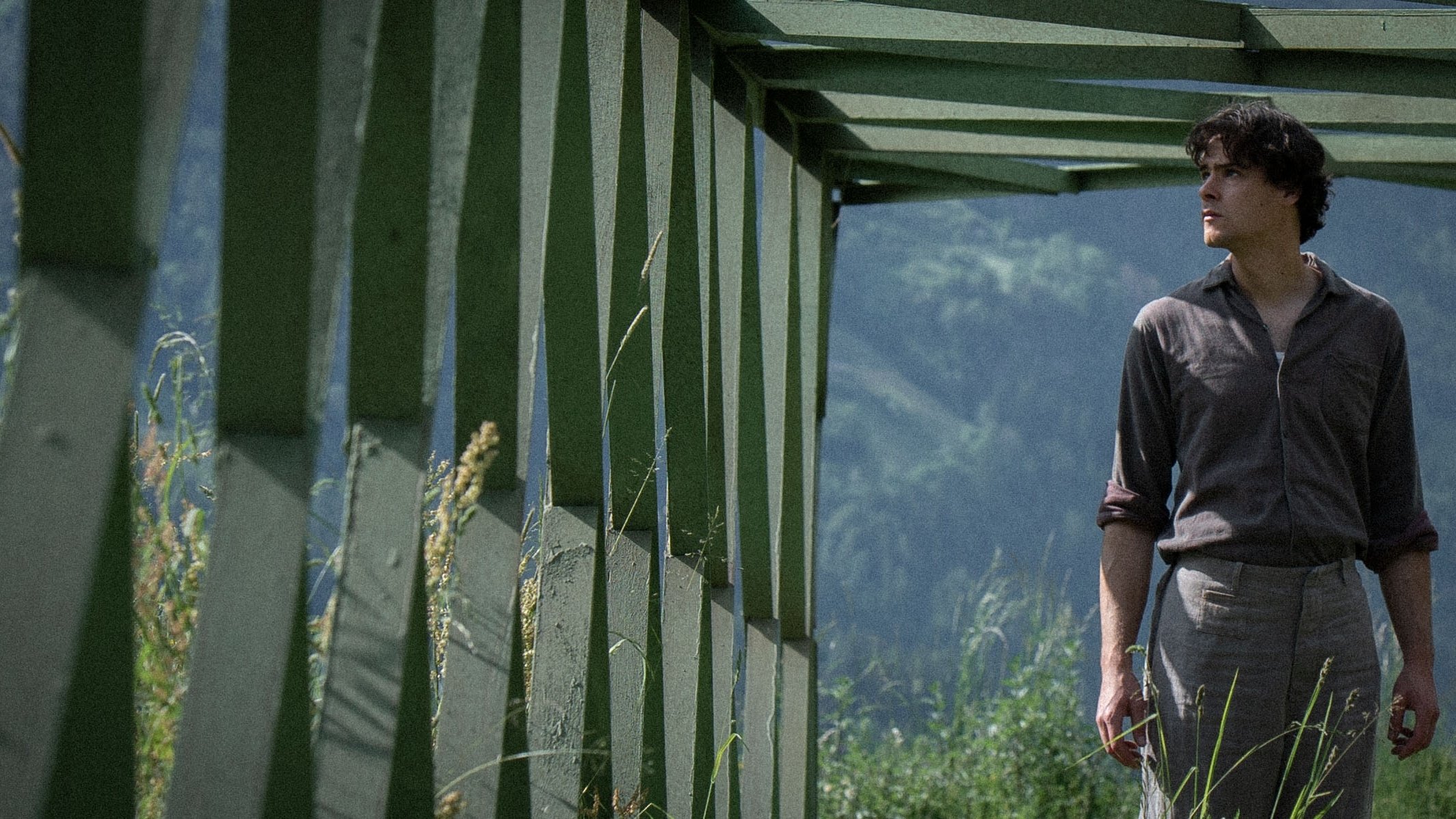



South Tyrol, 1961: Paul was hoping to escape the confines of his village and study painting. But because his older brother Anton is a wanted terrorist, he’s forced to stay at the farm and help Anton’s wife, Anna, and their son. As Paul is drawn into a vortex of violence and toxic masculinity, Anna struggles with the radicalization of her husband and the patriarchal structures in place at the time.
I like discovering something new among the old and Tubi has an assortment of horror films from cinema's past for just such an occasion.
Hope has great characters, inventive ideas, an incredible imagination, a palpable intensity, and numerous other aspects that make it one of the best of the year.
In a world where we hear ringers and beepers at every corner, technology feels inescapable. This is why technology is often an enemy in Digital J-horrors, like One Missed Call.
This sports drama movie is centered around an Asian American boy named Chang.
The Summer I Turned Pretty series adapts the beloved trilogy into a bingeworthy TV show and introduces a new generation to Belly, Conrad, and Jeremiah.