This movie review contains spoilers.
Film Warnings: Nudity, Harsh Language, Disturbing Imagery
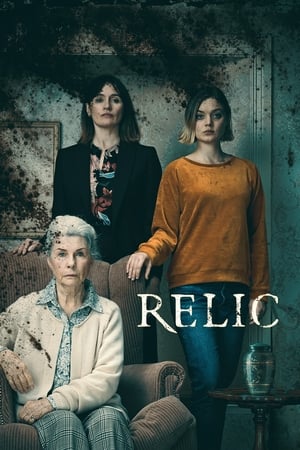
While scrolling through my Netflix feed I came across a poster that, I’ll admit, wasn’t very eye-catching, so I wasn’t overly motivated to snoop further. However, anything new on Netflix since the pandemic began is a bit of a treat, and the overall vibe said “horror,” so I conceded to spend another 5 seconds of my night reading the description. Admittedly, it wasn’t the description that enticed me to watch Relic. It was the fact that it was listed as an Australian Horror film, which is not something I often see under the genre section. Curiosity won over, and I’m so very glad it did.
First of all, this gem had a female director attached, which is a huge win. Natalie Erika James, while only having a few directing credits under her belt, did a spectacular job with the performers and the overall creation of the movie. She was also one of the writers, which can get tricky if the vision and the end product don’t necessarily match. However, it’s a huge advantage to be that intimately involved with the story and leaves little to be misunderstood.
I knew I was in for a good time when I saw the IFC name attached to this film, as they were also the distributors for The Babadook. Seeing this, I expected there to be more than meets the eye with the script. However, I immediately forgot to begin psychoanalyzing, because the first 3 minutes of the movie had me absolutely hooked.
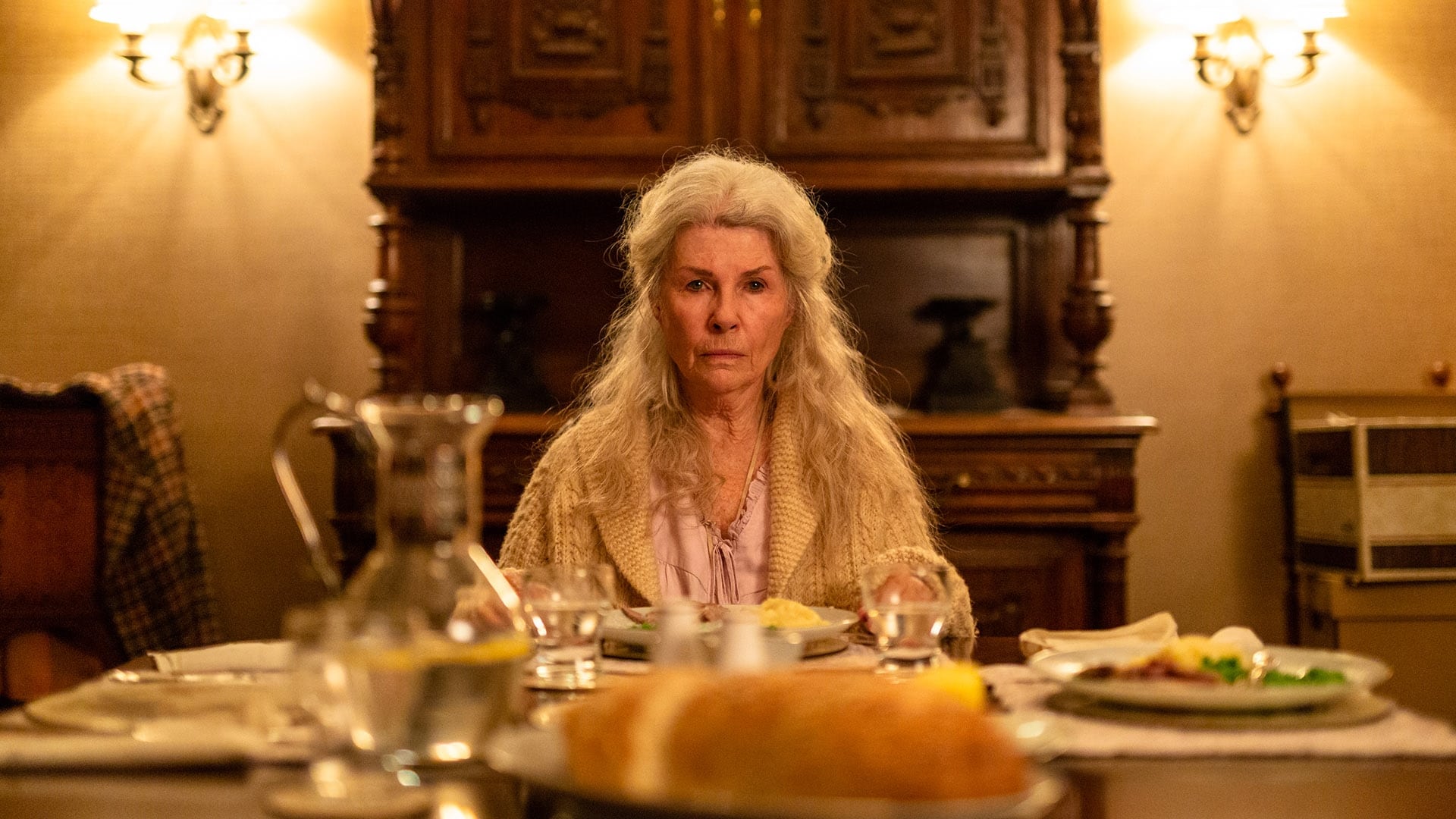
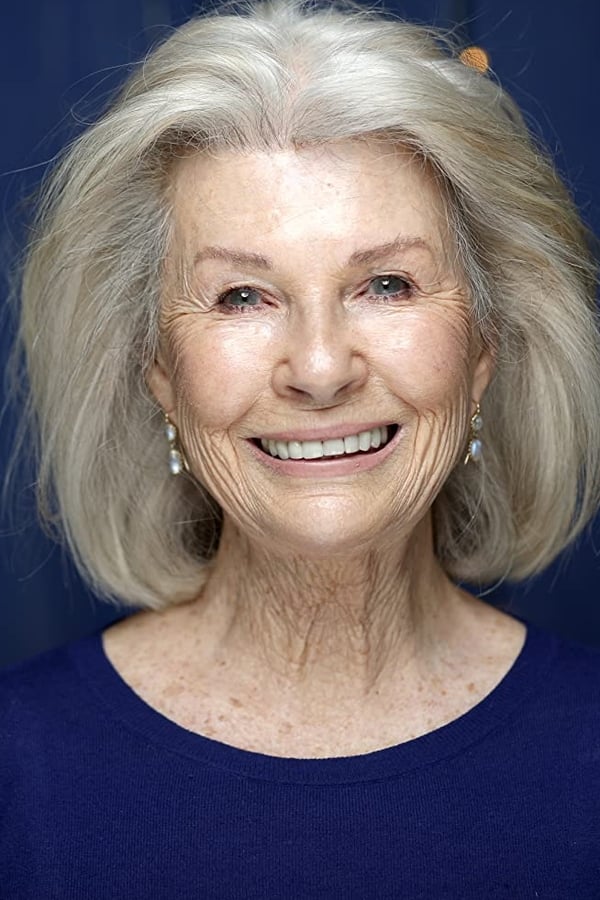
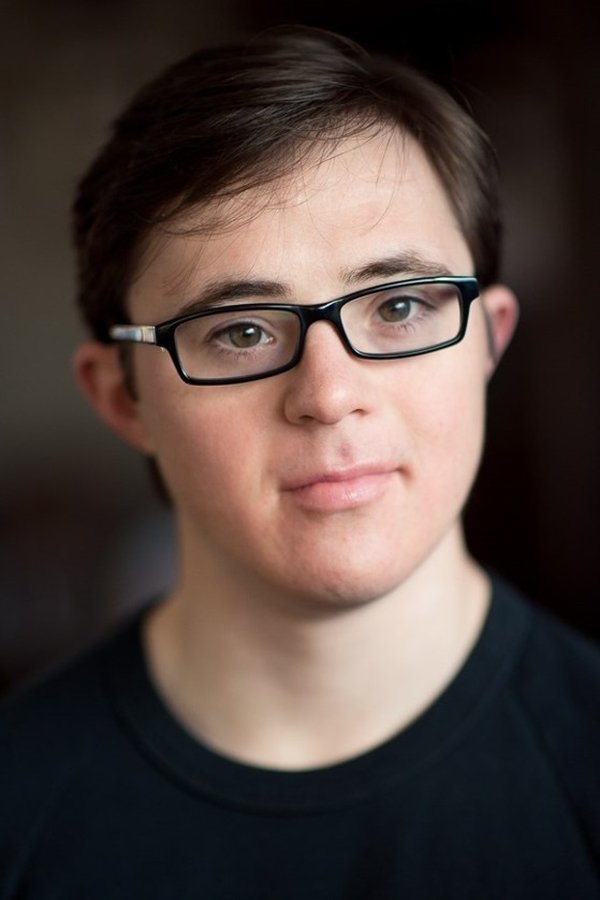
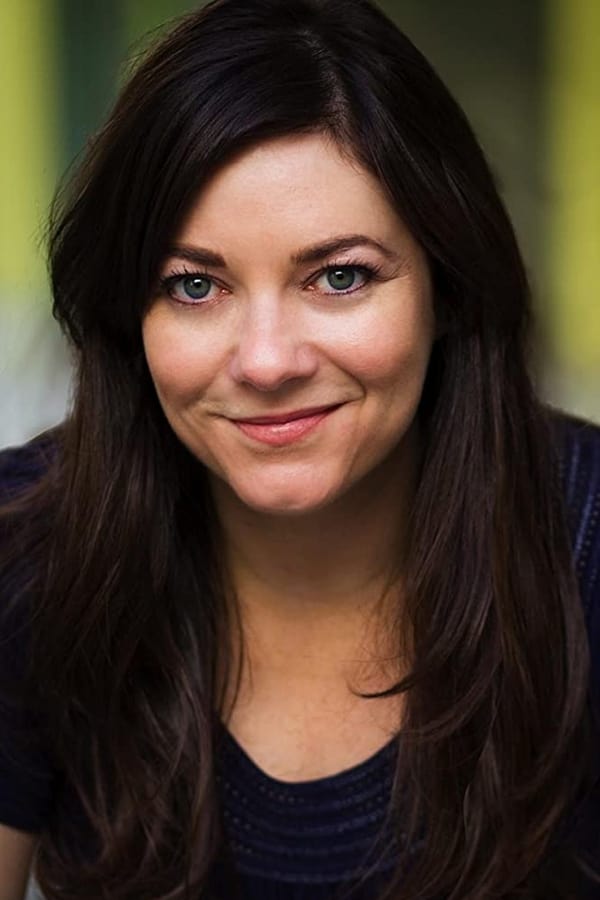
Without giving too much away (I’ll offer more information below), let me just say that the performances by our three female leads were absolutely phenomenal. Their passion and authenticity kept me completely immersed in the story the whole way through, right to the heart-shattering ending. I also would like to point out that the acting of Chris Bunton was a pleasure to watch. It makes me smile every time I see a person with Down Syndrome included on-screen, as I have many beloved cousins with the condition.
That being said, there was one moment I was unhappy to see, which was when the eldest character makes use of the word “retard” when referring to Jamie. I understand that this would have been consistent with the language used by that generation, due to its role in the medical profession, however as someone who has family members with Down Syndrome I took it very personally. At first, I was actually quite angry about it and questioned its use, feeling that if it was purely for shock value then it certainly wasn’t needed, knowing how strong the rest of the script was. Upon further reflection after watching the rest of the film, I can see from an artist's perspective why they would choose to implement something so alarming. The word itself is delivered in a way that is meant to make the audience uncomfortable, and it further drives the story arc for the grandmother, ultimately providing one of the first clues that something is wrong.
From a more technical standpoint, the cinematography was beautiful. The frequent use of mirrors seemed like both a creative choice as well as a practical choice for filming in a confined space where the house is meant to appear chaotic, thus making the set potentially difficult to traverse. The use of practical effects with just the finest touch of CGI was off-putting in the best way, making me squirm in my seat on occasion. Lastly, the music was made a secondary element, which allowed the performances to truly shine and blended very well with the pacing of the editing.
All in all, Relic was an absolute pleasure to watch and I highly recommend it. It is not often I come across a horror movie that is story-focused with compelling characters. Even though this movie was not able to shine the brightest in theatres, I hope the Relic team is proud of the piece they created.