'Causeway' Explores Toxic Masculinity Through Its Protagonists
The message to take away from 'Causeway' is that toxic masculinity can manifest in anyone, no matter what their gender identity is.
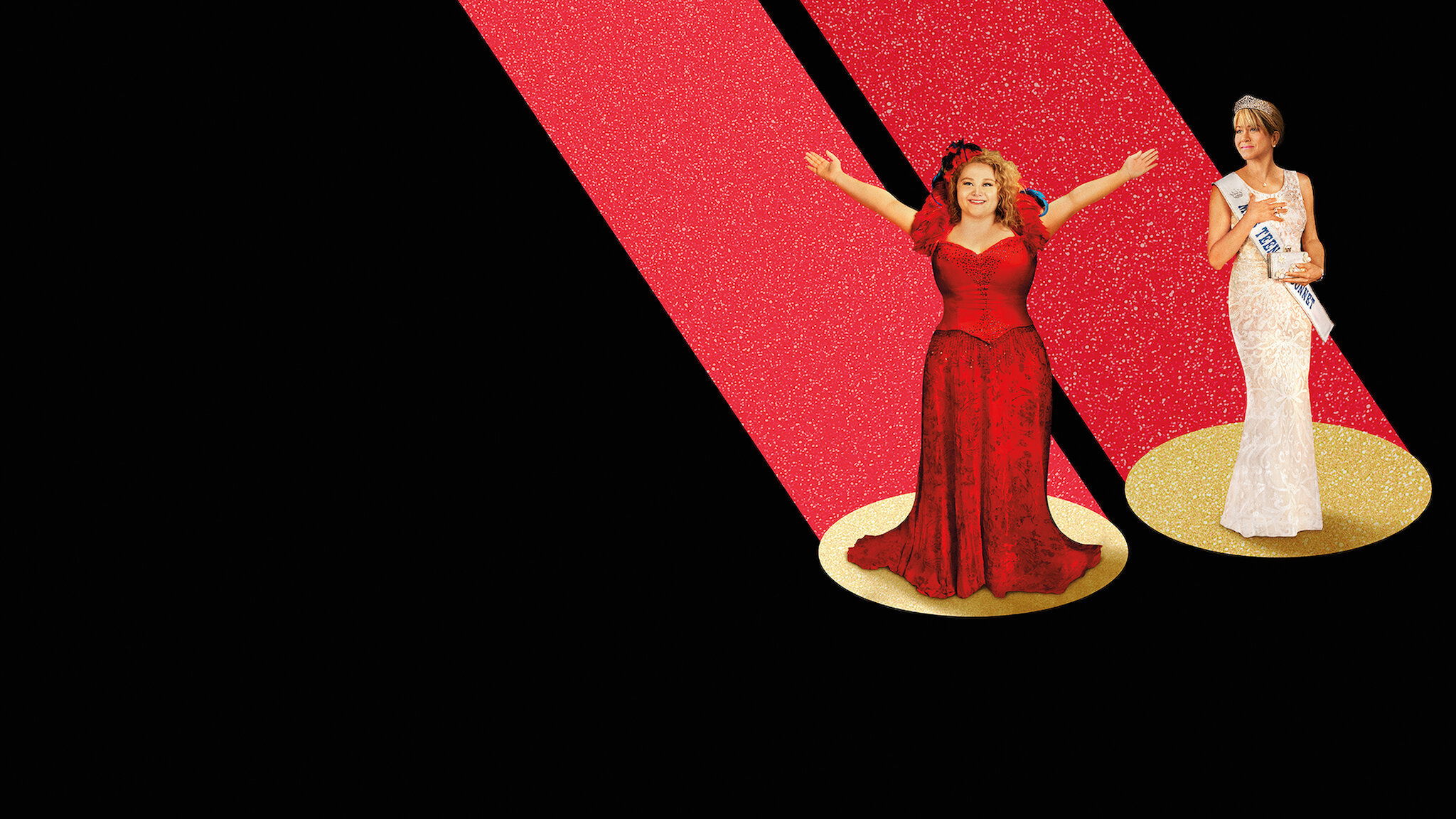
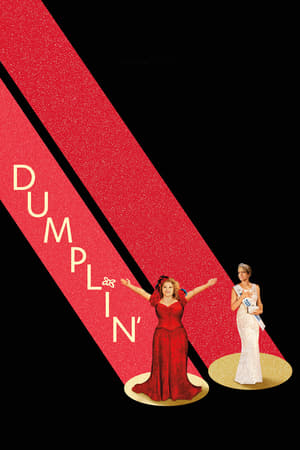


When Willowdean (Danielle Macdonald), the plus-sized daughter of beauty pageant extraordinaire and ex-pageant queen Rosie Dickinson (Jennifer Aniston) decides to enroll in this year’s Miss Teen Blue Bonnet Pagent, we follow her on a journey of self-acceptance and confidence tied up in a huge Texas bow ofDolly Partonmusic. With themes of loss and romance, this film will put you in your feels while also deeply ingraining important messages that I have never been exposed to in film prior toDumplin’.TV shows and films that I was exposed to growing up such asToddlers & Tiaras made me believe in the toxic femininity that can come with competing for standardized beauty. While toxic femininity is not as talked about as its masculine counterpart, I think it is essential to recognize where women fall flat in uplifting each other by setting negative beauty standards in settings such as beauty pageants. Size, race, sexuality, and gender expectations are all general factors that pageants consider without meaning to be “un-feminist.”Dumplin’breaks down these expectations and gives us lovable characters to follow on a journey towards self-acceptance.
Willowdean also referred to as “Dumplin’” by her mother, has always been a bigger girl and been made to feel lesser than for it; not only by mean boys at school, but also by her pageant queen mother. After losing her Aunt Lucy (Hillary Begley) that made her feel like she was enough regardless of her size, Willowdean began to stop believing in herself. With small flirtatious interactions with her cute co-worker Bo (Luke Benward) and watching her best friend Ellen (Odeya Rush) fall in love, Willowdean doesn’t seem to think she deserves romance simply because of her size.
As women, I think we have all been there, thinking we weren’t “enough” for one reason or another. The relationships Willowdean has in this film are genuine and prove that standardized beauty isn’t the reason for the connections we make, really ever. There are small and specific moments throughout the film that outline the struggle of being a larger woman including the moment when Bo asks Willowdean to watch a meteor shower and they kiss. Bo touches the small of Willowdean’s back which makes her completely uncomfortable and she leaves abruptly. We know that Bo didn’t care about her size, but for Willowdean this was an area of insecurity for her and it’s so hard for women to communicate this to men, especially when they are smaller than us. Moments like this that really understand the intricate struggles of the plus-sized community are what make this film so hard-hitting for me.
Danielle Macdonald’s performance oppositeJennifer Anistonwas truly filled with tension and small idiosyncrasies that exist between so many mothers and daughters. While both characters resent each other in small ways, these two actors made this relationship feel raw and loving on a deep and messy level that can only exist between a single mother and her daughter. While a lot of audiences watched this film to seeJennifer Anistonin a Dolly Parton movie, I think that she was only one piece of the puzzle that made this film so great. The ensemble cast of the pageant girls really brought the message of acceptance to the table while Rosie didn’t figure out how to accept her own daughter for who she is until after she successfully performs in the pageant.

To prove a point about measuring up and fitting in, Texas teen Willowdean “Dumplin’” Dickson enters a local pageant run by her ex-beauty queen mom.
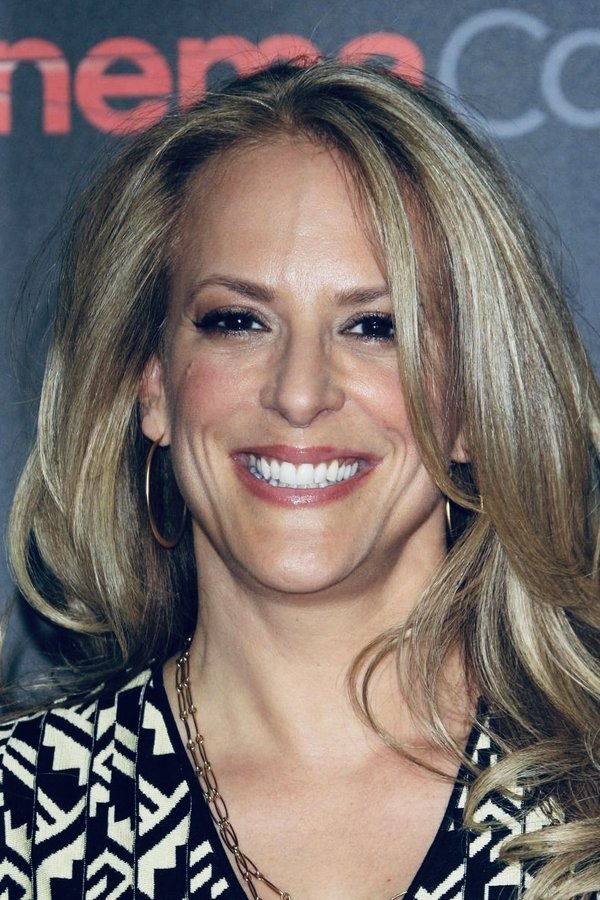
Anne Fletcher
Director

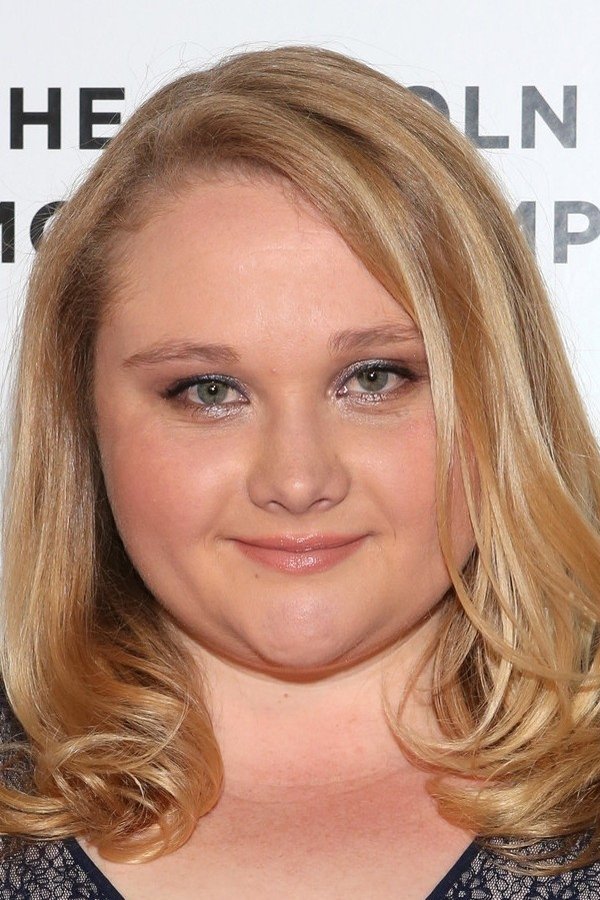
Danielle Macdonald
Willowdean Dickson
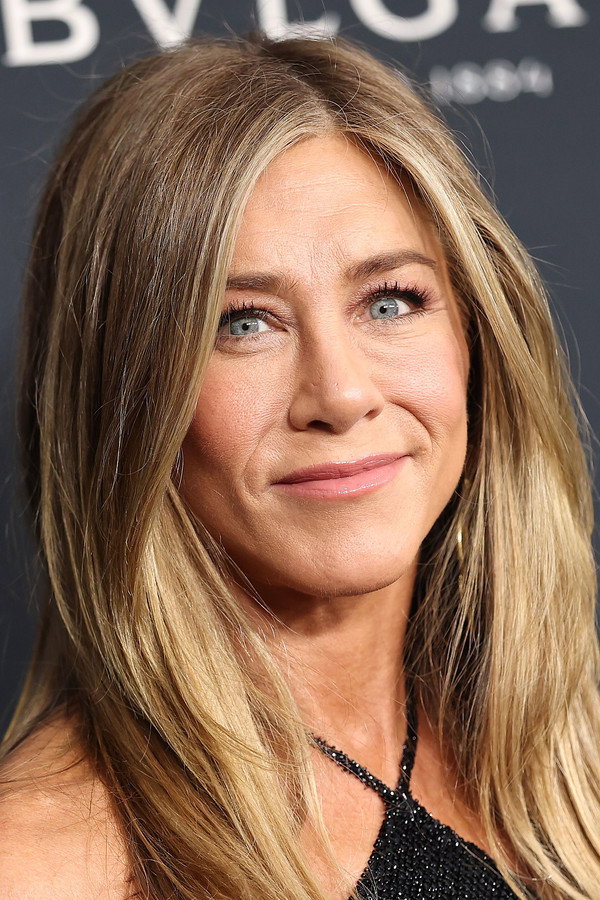
Jennifer Aniston
Rosie Dickson
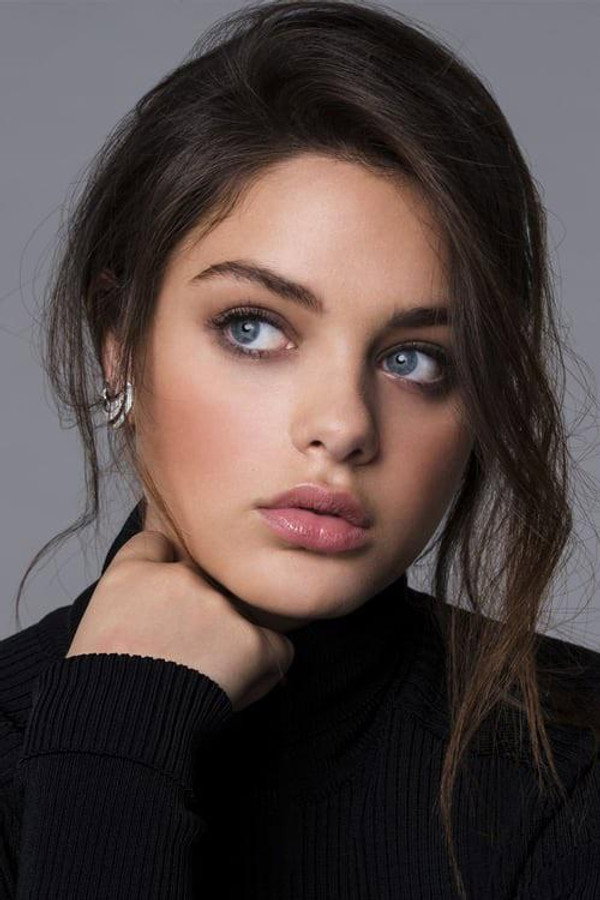
Odeya Rush
Ellen Dryver

Bex Taylor-Klaus
Hannah Perez
Maddie Baillio
Millie Michalchuk
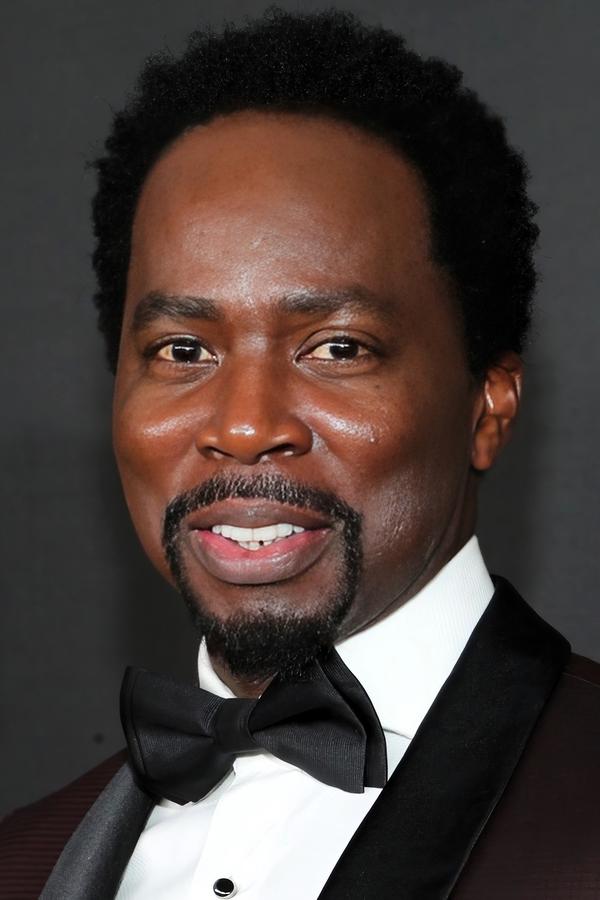
Harold Perrineau
Lee Wayne / Rhea Ranged

Luke Benward
Bo Larson
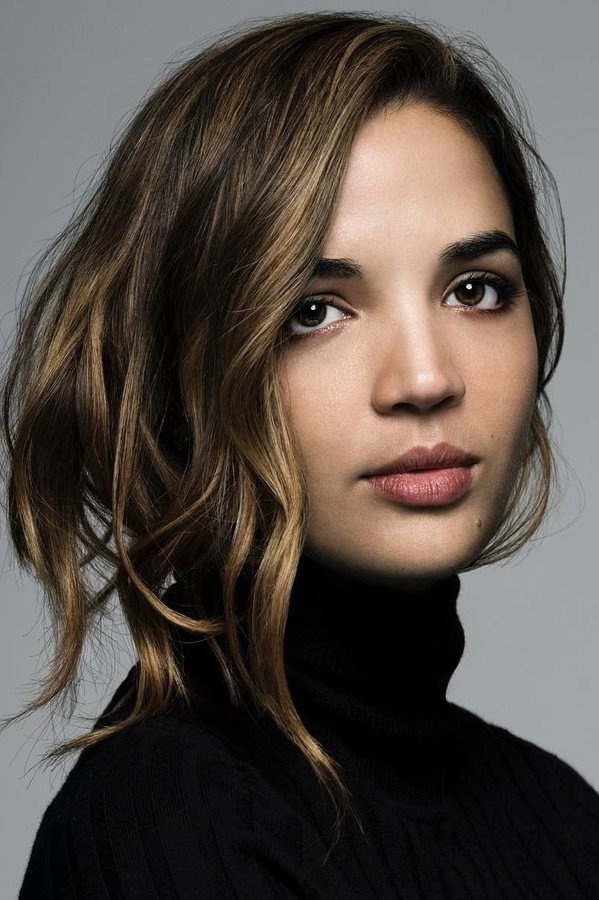
Georgie Flores
Callie Reyes
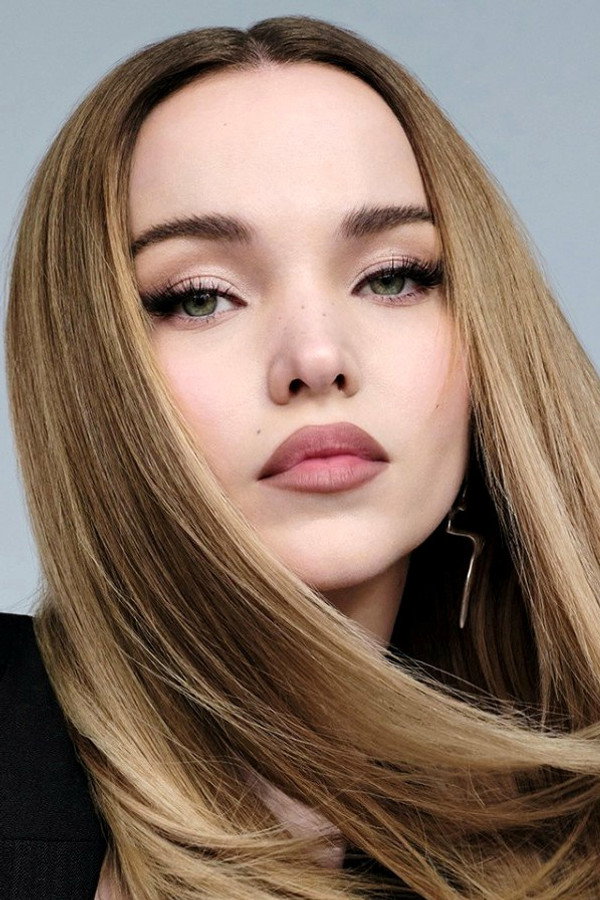
Dove Cameron
Bekah Cotter

Kathy Najimy
Mrs. Michalchuk
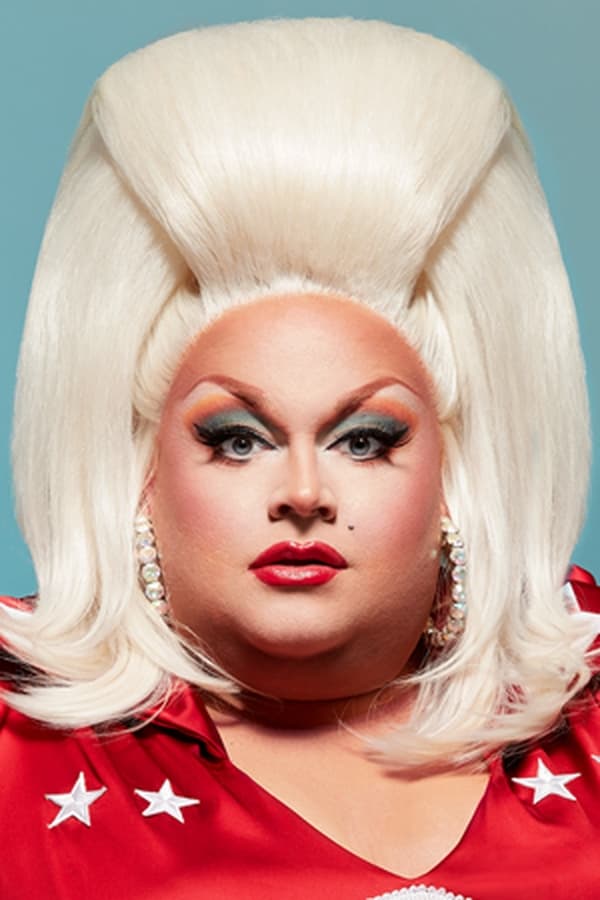
Ginger Minj
Candee Disch
The message to take away from 'Causeway' is that toxic masculinity can manifest in anyone, no matter what their gender identity is.
'The Suicide Squad' is at its best when it focuses on its characters and commentary on real-life issues, but stumbles when it relies too heavily on gratuitous gore and insensitive humor.
For the most part, 'Sweet Girl' recycles tired hyper masculine revenge tropes, but a surprise twist in the end turns it into a female-centric revenge film.
As legal dramas go, we rarely see an African-American actor in the lead role. "The Burial" has several.
The “gay best friend”, an age-old trope, has been done in countless films and television series. Ranging from one-note (Sex and the City's Stanford and Mario) to nuanced (Unbreakable Kimmy Schmidt's Tituss), the gay best friend exists to support and advise the main protagonist, with their conflicts swept to the side.
The singer recounts the memories of writing and creating her record-breaking debut album and shares her feelings as a young woman navigating a specific time in her life.