


Why Wish and similar Disney films don't work
Disney movies have taken a bit of a downward turn recently. How come?

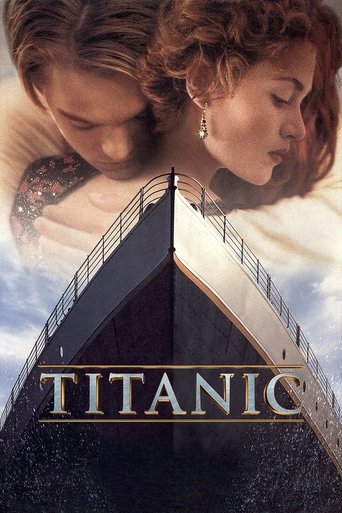
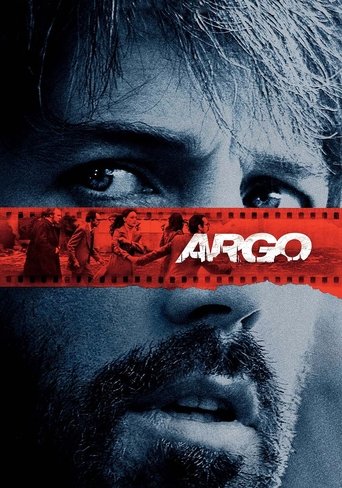
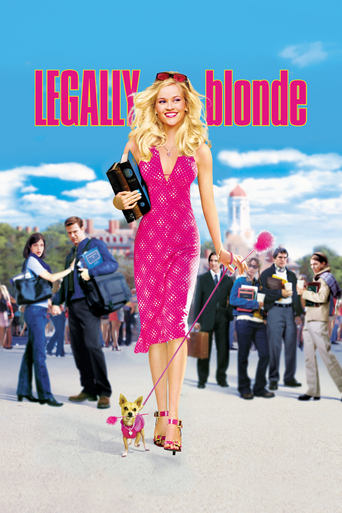
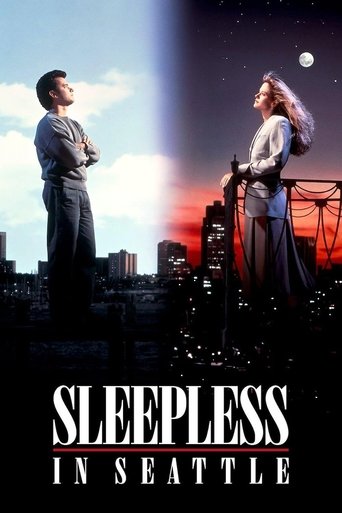
Victor Garber (born March 16, 1949) is a Canadian stage and film actor, and a singer. Known for his work on stage and screen, he has been nominated for three Gemini Awards, four Tony Awards and six Primetime Emmy Awards. In 2022 he was made an Officer of the Order of Canada. Garber originated roles in the Broadway productions of Sweeney Todd: The Demon Barber of Fleet Street, Noises Off, Lend Me a Tenor, Arcadia, and Art. He has received four Tony Award nominations for his performances in Deathtrap, Little Me, Lend Me a Tenor, and Damn Yankees. He made his film debut as Jesus Christ in the musical Godspell. He won a Screen Actors Guild Awards for Argo and was nominated for Titanic and Milk. Other notable films include Sleepless in Seattle, The First Wives Club, Cinderella, Annie, Legally Blonde, Sicario, Dark Waters, and Happiest Season. On television, Garber is best known for playing Jack Bristow on Alias, for which he received three consecutive Primetime Emmy Award nominations. He received further Emmy nominations for his portrayal of Sidney Luft in Life with Judy Garland: Me and My Shadows and for his guest roles on Frasier and Will & Grace. Garber portrayed Martin Stein / Firestorm on The Flash and Legends of Tomorrow.
Disney movies have taken a bit of a downward turn recently. How come?
Asha, the main character, is a biracial woman who discovers the power of magic wishing dust.
"Rodgers' & Hammerstein's Cinderella" wasn’t just a fairytale, it's a Black girl's fairytale. It was a fantasy world where the undeniable beauty of Black girls and Women was celebrated and beloved.
I highly recommend Dark Waters. It’s a highly engrossing picture, which lends itself to cautionary storytelling. The dark information continually grows, inspiring change and accountability altogether. Overall, Haynes’ picture will not be known for its inclusiveness--but it will be known for being a fantastic, engrossing film.
'Legally Blonde' remains a standard of feminist filmmaking over two decades after its release, although its poor treatment of racial and sexual minorities make it a product of its time.