

Everyone’s Welcome in IT: Welcome to Derry
It: Welcome to Derry proves you can have rich representation, real humanity, and still fully enjoy Pennywise terrifying kids in sewers.
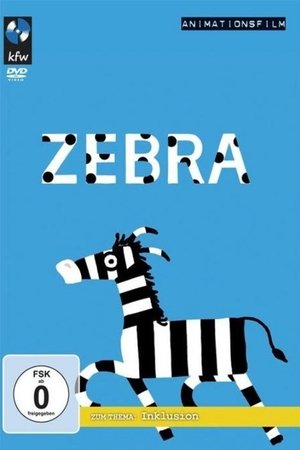


There once was a happy zebra. One day, however, she ran into a tree and her stripes changed. She then tries to fix it, but the more she tries, the more diverse the shapes are that appear on her. In the end, the unhappy zebra discovers that, because of her uniqueness, she'll be a successful star to the others.
It: Welcome to Derry proves you can have rich representation, real humanity, and still fully enjoy Pennywise terrifying kids in sewers.
Poor Black characters are usually surrounded by crime and violence, while poor White characters are portrayed as noble and hard-working.
Spoiler Warning
Shudder makes an incredibly atmospheric docuseries about the darker side of Hollywood mysteries.
Weird has a name and it's, Weird Al. 'Weird: The Al Yankovic Story' makes you want to "Eat it" then "Beat it".
I highly recommend Dark Waters. It’s a highly engrossing picture, which lends itself to cautionary storytelling. The dark information continually grows, inspiring change and accountability altogether. Overall, Haynes’ picture will not be known for its inclusiveness--but it will be known for being a fantastic, engrossing film.