



Netflix’s “Self Made”: What's Fact and What's Fiction?
Netflix takes some liberties in its portrayal of Madame CJ Walker, a trailblazing Black entrepreneur.
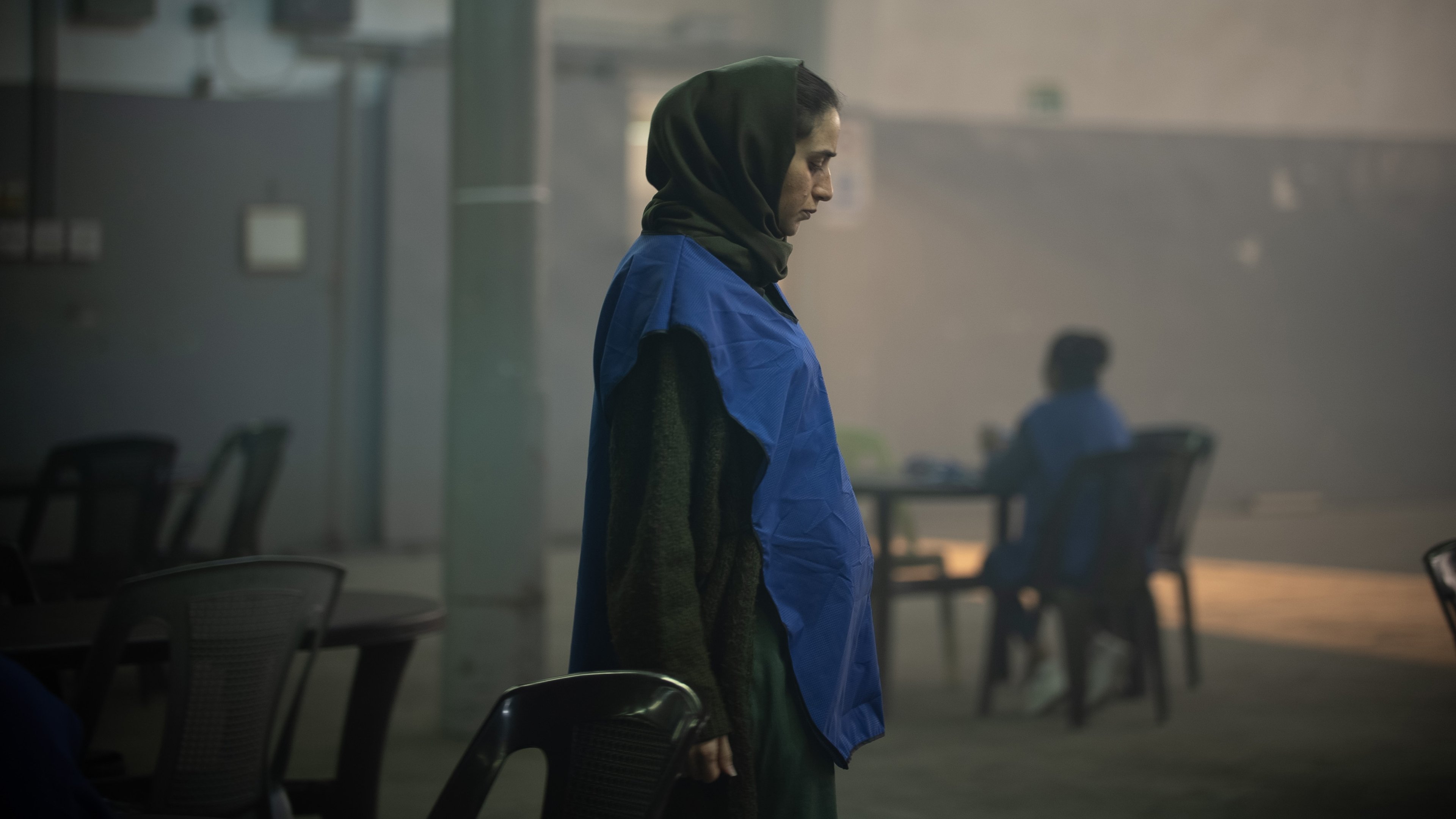



Zahra, who is in the last trimester of pregnancy, works as a machinist in a vast clothing factory. Her wages are barely enough to live day to day; her husband went away looking for work and she has no idea where he is. When she is told that she must have her baby delivered by Caesarean, she has no idea how she will pay for it. Then a snippet of discussion on the radio suggests to her a desperate plan to save herself and her baby. An exceptionally well-made slice of social realism about a world where it’s every woman for herself.
Netflix takes some liberties in its portrayal of Madame CJ Walker, a trailblazing Black entrepreneur.
Who said Batman is the only hero to rock the black cape? This article will explore vampires as trans allegories and the femme fatale trope being remastered.
One young woman with an unusual background tries to find and establish herself in the real world, which isn't exactly as festive as she hoped it would be.
Ditch the lube and get to the point in the raw, honest, cheeky dramedy written and directed by Mark Schwab.
The second entry of the Five Nights at Freddy’s series released recently, garnering very divisive reviews amongst both fans and critics.
‘The Bear’ Season 2 has all the right ingredients for both comedy and drama.