“The Whiteboard” Review: A Little to No Dialogue Film With Characters that tell an Endearing LGBTQ Story.
Kat Wahlen’s The Whiteboard tells, or rather shows, a delightful love story between two young women who meet in detention.
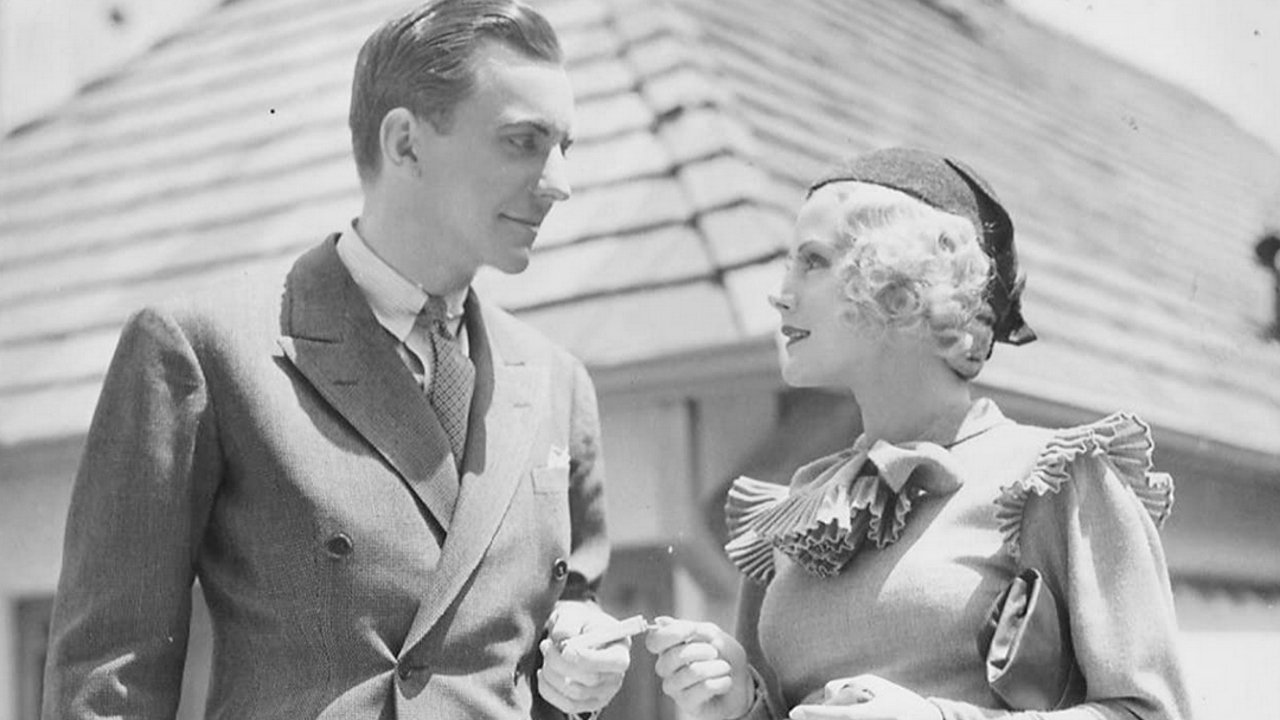
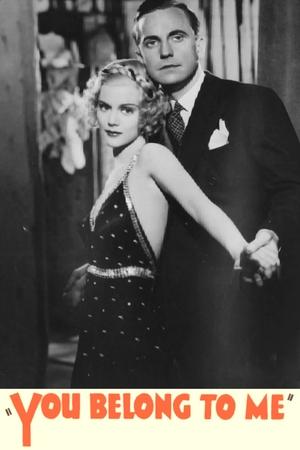


When vaudeville performer Florette Faxon is left penniless with her six-year-old son Jimmy, she relies on the friendship of fellow performer Bud Hannigan to help her get a job. Bud is reluctant to become her partner, as he has proven to himself to be unreliable in relationships, but he tells her to call him whenever she needs help. While working in a beer garden, Florette meets Hap Stanley, an avaricious performer who marries her to get the rights to perform her show routine. Hap dislikes Jimmy and eventually convinces Florette to send him away to school. Both Jimmy and Florette are broken-up over being apart, but Jimmy pretends it is what he wants so Florette can be happy with Hap.
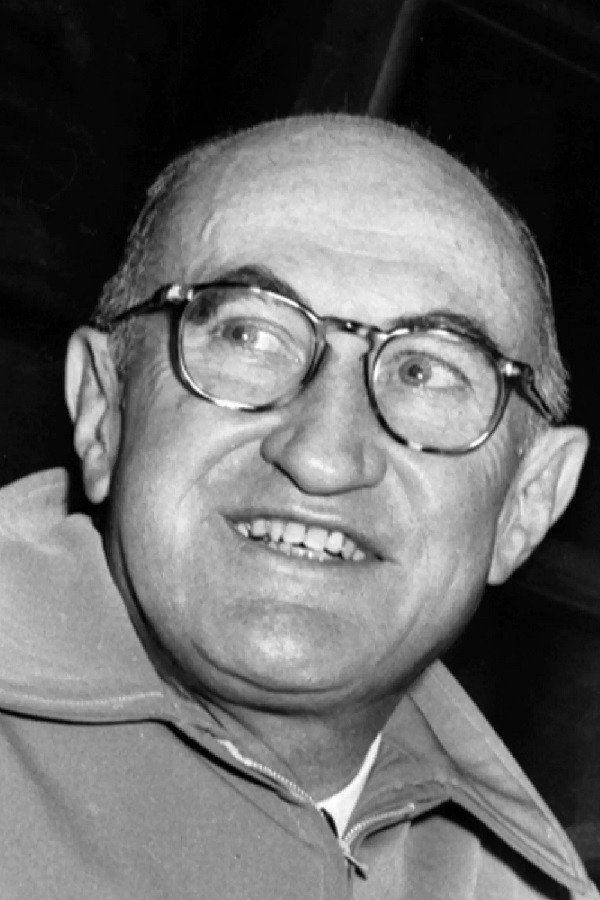
Alfred L. Werker
Director

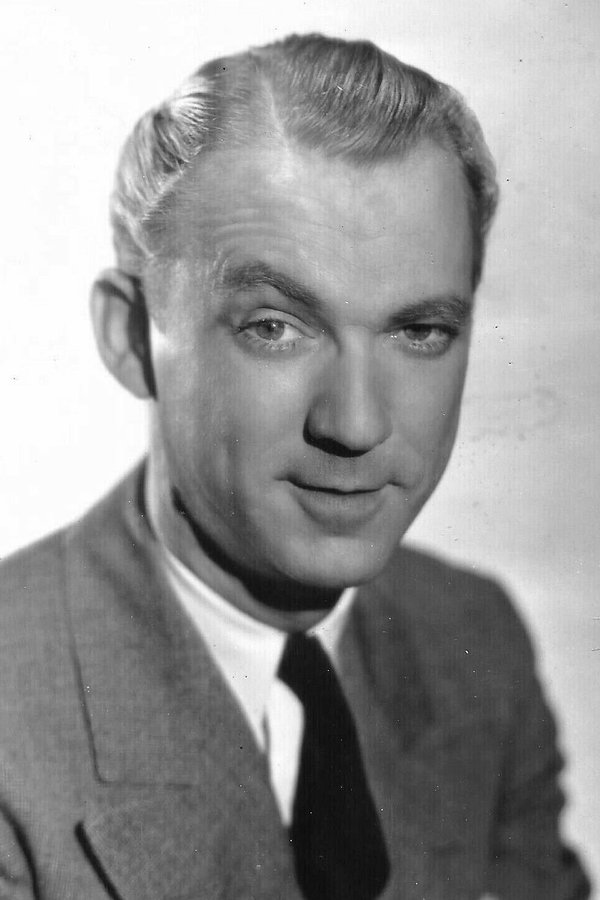
Lee Tracy
Bud Hannigan
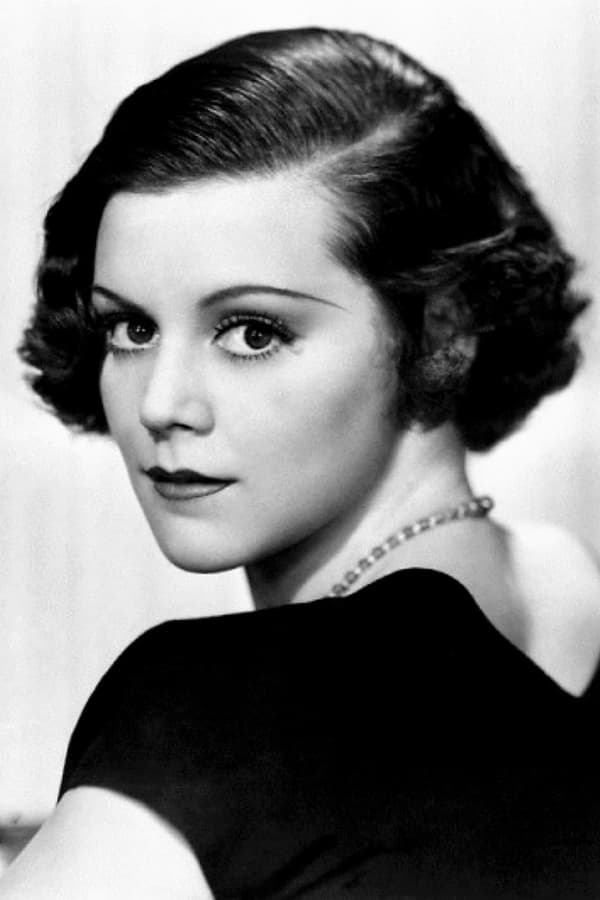
Helen Mack
Florette Faxon
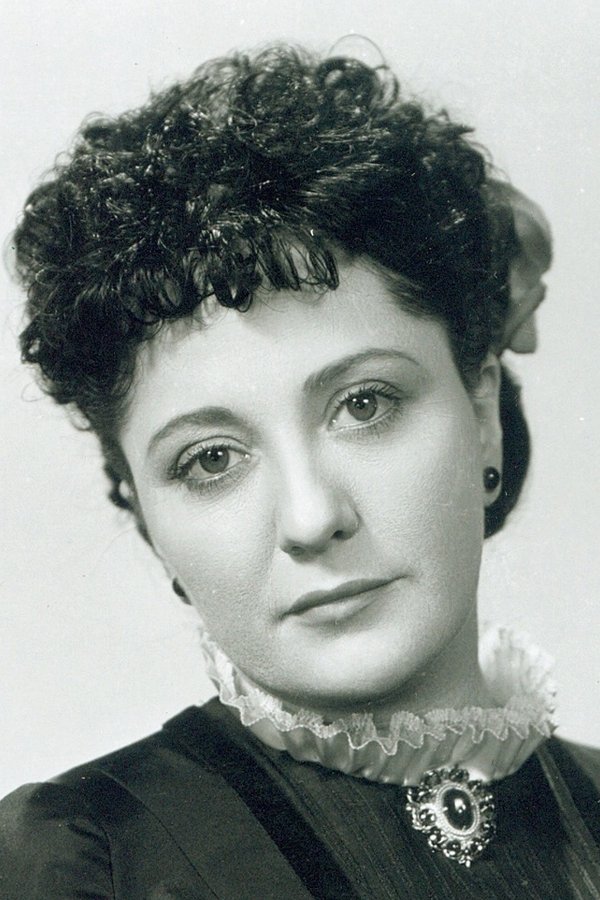
Helen Morgan
Bonnie Kay

David Holt
Jimmy Faxon

Arthur Pierson
Hap Stanley

Lynne Overman
Brown
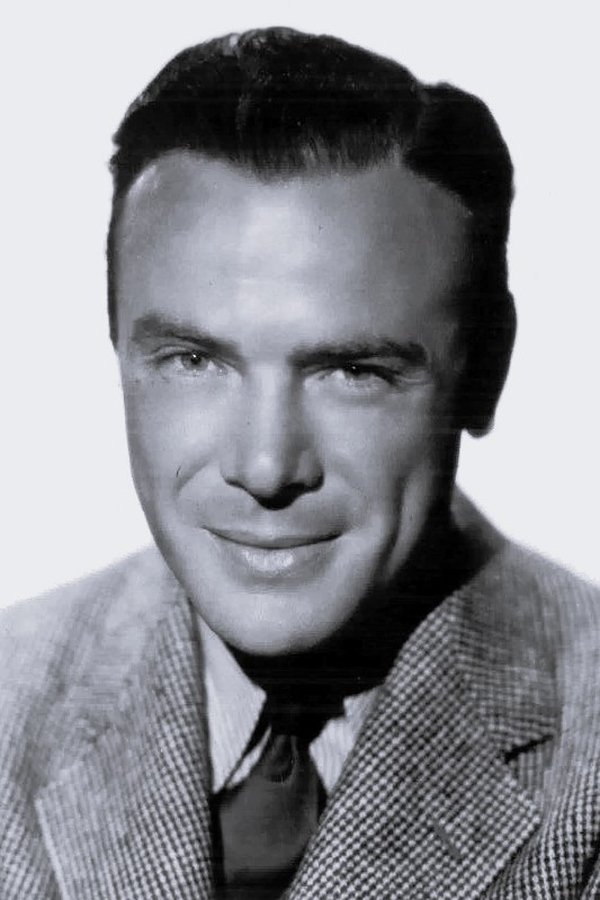
Dean Jagger
Military School Instructor
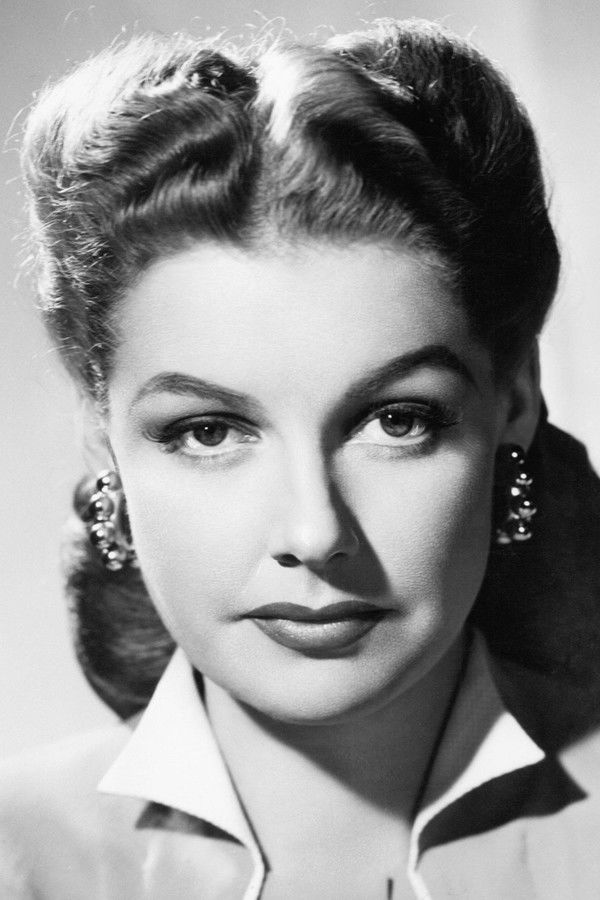
Ann Sheridan
Wedding Party Guest

Edwin Stanley
Major Hurley - School Commandant

Irene Ware
Lila Lacey
Lou Cass
Joe Mandel
Kat Wahlen’s The Whiteboard tells, or rather shows, a delightful love story between two young women who meet in detention.
A consumed-by-rage woman travels from universe to universe to avenge the death of her daughter by brutally killing her murderer over and over again. And that's all that she does.
As I typed this, Chris Evans was being “cancelled” on Twitter. I did a little research on this since I always thought Chris Evans was well-received. It turns out the backlash is because of a white savior movie he made called Red Sea Diving Resort.
Mark Anthony Green was unable to connect all of the pieces in his debut feature film, leaving Opus as a middling entry in an already oversaturated genre.
Eddington attempts to capture how media is intertwined with the uncomfortable present.
The French-born director Laure de Clermont-Tonnerre’s strategic choice to entrust the interpretation of a conventional, feminine character to a non-binary actor pays off: Corrin’s Lady Chatterley is awkward, edgy, and uninhibited at the same time.