






‘West Side Story’ (2021) Improves on and Is Limited by the Original
Steven Spielberg's West Side Story (2021) improves on the original's terrible representation, poorly written romance, and more. --> check out reviews & film summary
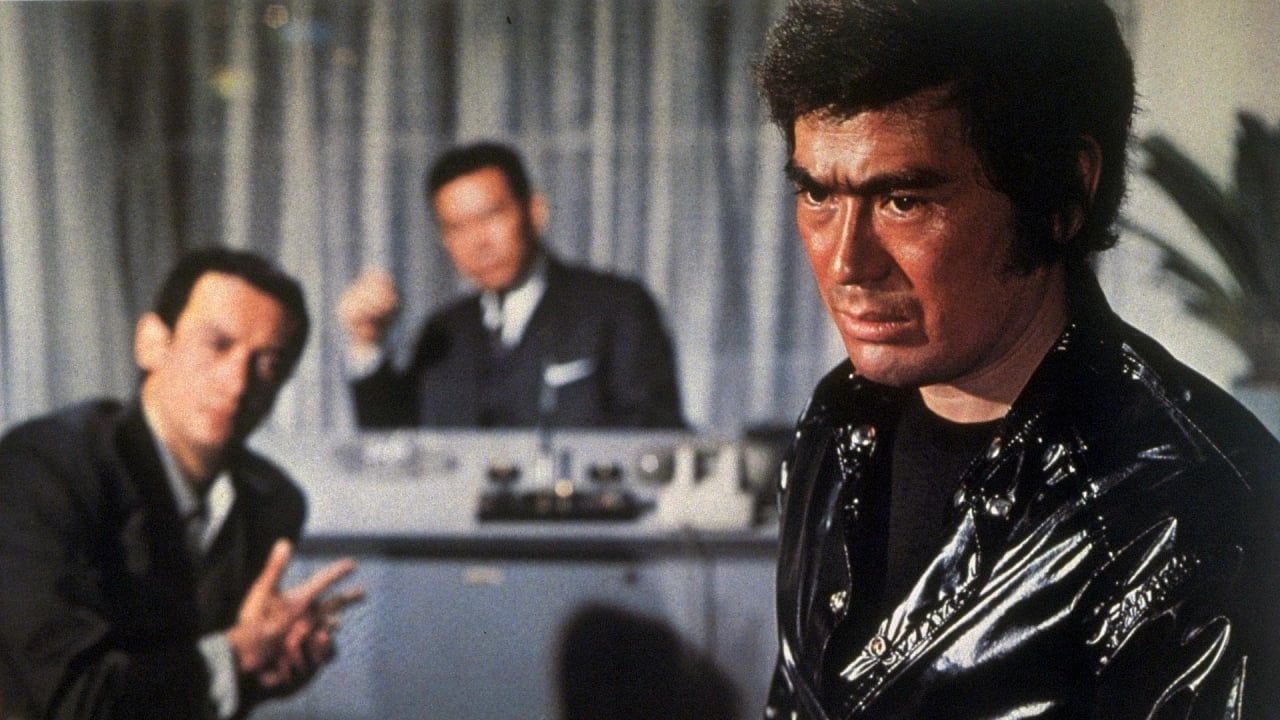



Attacking Asao Uchida's lonely, clifftop mansion in no-holds barred massacre.
Steven Spielberg's West Side Story (2021) improves on the original's terrible representation, poorly written romance, and more. --> check out reviews & film summary
When it comes down to it, The English explores what happens when power is unchecked and how those who seem powerless, have more strength than most through their convictions for justice.
It’s easy to dismiss Joel and Ethan Coen for writing from the world they build from outside the box of overarching Hollywood stereotypes, but their inability to compromise their collective vision is precisely what makes the simplistic nature of their world-building and characters so brilliant. It’s also what led Fargo to collect seven Oscar nominations and two wins for Best Original Screenplay and Best Actress for Frances McDormand’s brilliant portrayal of the sincere, motherly detective whose wholesome demeanor seizes the day over the selfishness, corruption and evil of the men who don’t comprehend that there’s more to life than a little money.
Overall, Matthias & Maxime doesn't reinvent this romantic concept. But it also doesn't need to. Dolan weaves a story of love, friendship, and life that is both realistic and bittersweet. The film is nuanced and sensual in a way we don't get to see often with LGBTQ characters. It's a film that we can celebrate.
In the LGBTQ+ holiday rom-com wars, 'Single All The Way' may or may not be the “answer” to 'Happiest Season.'
Diana’s spirit has taken off, ‘No right, no wrong, no rules for me.’ And in that moment, as she runs on the screen, she gets it, her ‘Let It Go’ moment.