









“Young Washington” Is Imperialist Propaganda
Telling a story about the French and Indian Wars from the perspective of the British prioritizes the perspective of the colonizers.
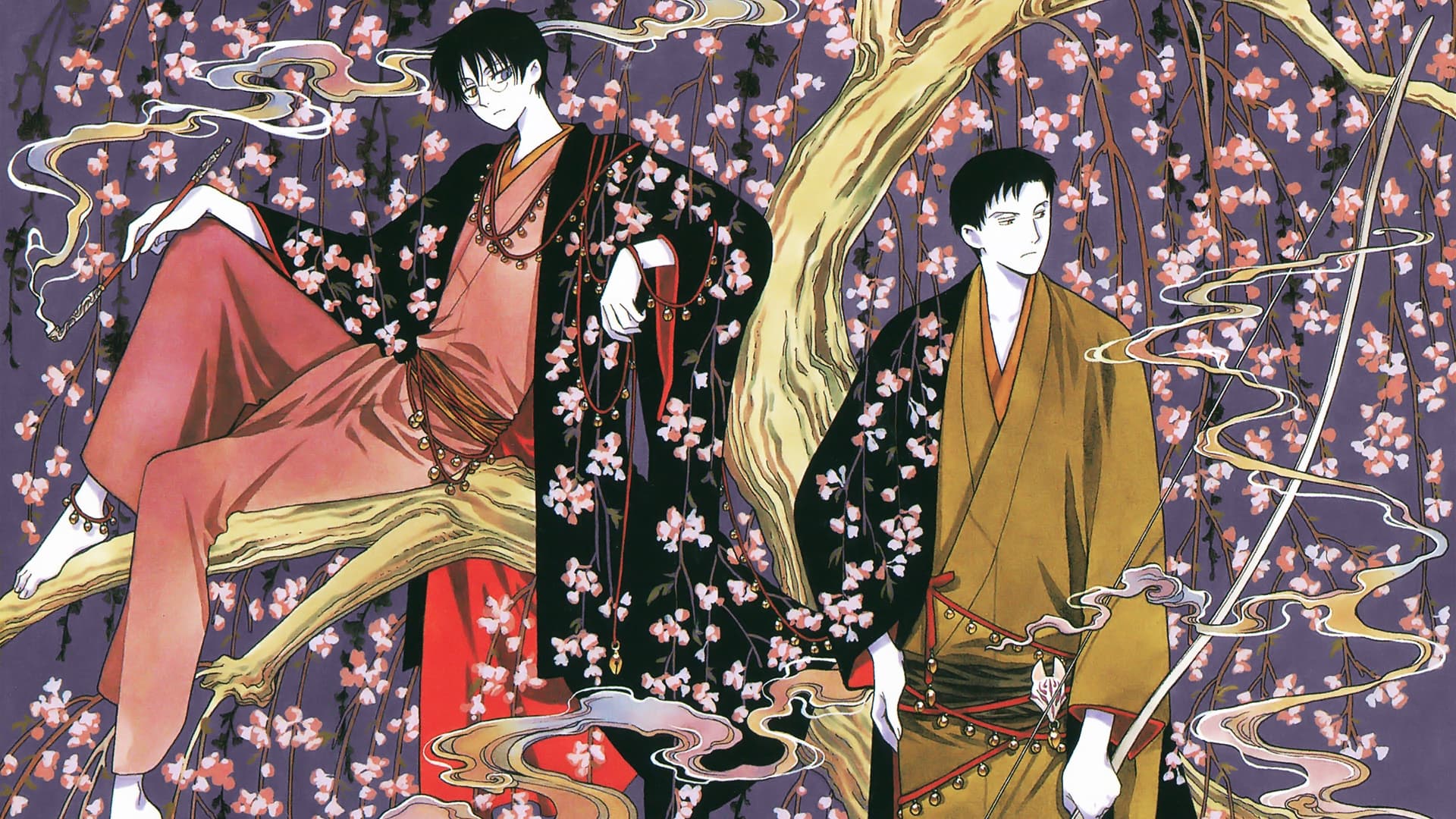
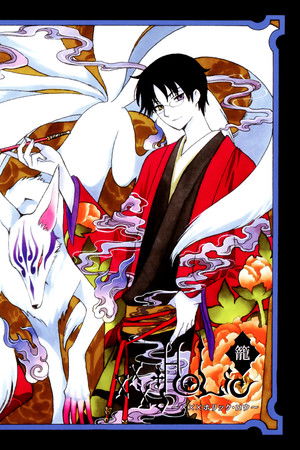


It has been several years after the events of Shunmuki and Watanuki has become the new proprietor of Yūko's shop following her death. Domeki has taken a position at a university to study folklore and Kohane has become a student at the same university studying under Domeki. Due to Domeki's position, a series of events have occurred that requires Watanuki's services. The episode outlines the process by which Watanuki fulfills the request while presenting changes in many of the characters in the series. The ending theme is "Kaza Nagi" (風なぎ?) by Shikao Suga.
Telling a story about the French and Indian Wars from the perspective of the British prioritizes the perspective of the colonizers.
If you’re also a major fan of the familiar strangers story between two people of different generations, here are 5 underrated films you probably haven’t heard of, but might thoroughly enjoy.
A 2020 Japanese anime movie that focuses on a high school girl who is desperately in love with her secret crush.
My Beautiful Laundrette is often referenced as a positive LGBTQIA+ film because our two main characters are in a homosexual relationship with no shame, fear of violence or criticism. The struggle is not their sexuality. It is the treatment of the Pakistani citizens in England.
Director Martin Scorsese broadens his boundaries from mafia-driven movies, to a Buddhist biopic of the 14th Dalai Lama. While Buddhism strives for peace, ‘Kundun’ reveals the violence inflicted on Tibetan Buddhists and Scorsese’s depiction of violence does not stray away.
"Beef" is a new dark comedy with a near entire Asian-American cast