



"Ma Rainey’s Black Bottom": A Lesson in Blues
With raw and unapologetic performances by Viola Davis and Chadwick Boseman, stories about the hardships of Black musicians are weaved in with The Blues.
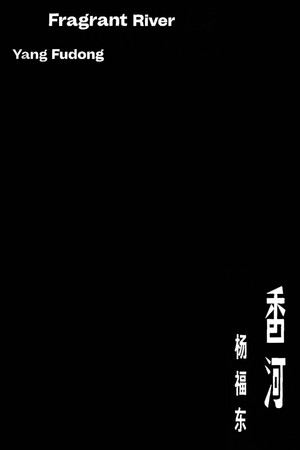


A 15 part film featuring scenes from Xianghe, running from the mundane to the surreal: people parade in opera costumes, slaughter pigs in public and dine on the fields; they bury the dead and get married, tickling the bride and groom, everything done without speech. Sitting somewhere between intimate personal reels and detached ethnographic records, the work creates a simultaneous sense of immersion and distance – of the type you might associate with end-of-life flashbacks. Yang gives nostalgia a fantastic, mystical bent, as if to suggest that to revel in memory is a creative act.
With raw and unapologetic performances by Viola Davis and Chadwick Boseman, stories about the hardships of Black musicians are weaved in with The Blues.
It’s the most loving tribute to cinema and to Ingmar Bergman, set in world that feels so habitable that I felt like only re-watching this for eternity, because of how inviting it looks and feels.
Hours before their line-up of screenings for Trans Awareness Week began, the filmmakers of 'When Men Were Men' chatted with me about the film's personal exploration of masculinity.
This article will cover why this film is categorized as a documentary and concert film.
Escape The Field is a serviceable horror thriller. The characters are easier to remember as horror character tropes. As I wrote this review, I only remembered the characters by their tropes: #FinalGirl, #Everyman, #Badass, #MeanB*/SexyGirl, #Realist/BlackLesbian, and #TheNerd.
There’s been a longstanding criticism of sci-fi films about its lack of Black characters. For the past few years, Anthony Mackie has been successfully representing Black masculinity in the otherwise homogenous genre and I am here for it.