





Netflix’s ‘Canvas:’ A Heartfelt Narrative About Love and Loss
Canvas illustrates the story of a grandfather who, after suffering the loss of his beloved, struggles to reclaim his love for painting.
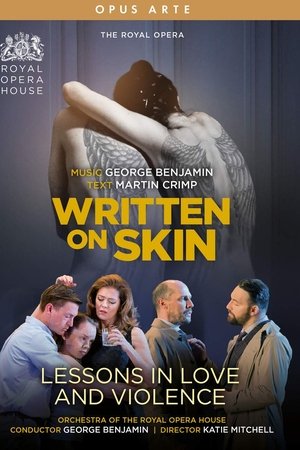


When Written on Skin had its premiere at the 2012 Festival d'Aix-en-Provence, conducted by George Benjamin himself, it received a standing ovation. The opera's arrival at Covent Garden in 2013 was eagerly anticipated, and provided audiences with the opportunity to experience the work of two of Britain's greatest living artists. Benjamin previously collaborated with playwright Martin Crimp on Into the Little Hill, a magical retelling of the Pied Piper fairytale, and for this new work they joined forces with acclaimed stage director Katie Mitchell. For all three, the production marked their main-stage debut at the Royal Opera House. The tale, inspired by a medieval legend, tells of an ill-fated troubadour, drawn into a liaison with an innocent maiden. But they are observed by the jealous eye of her protector, who wreaks a shocking revenge on the young couple. Written on Skin draws on a 12th-century Occitan legend about the troubadour Guillaume de Cabestanh.
Canvas illustrates the story of a grandfather who, after suffering the loss of his beloved, struggles to reclaim his love for painting.
'Barbarian' is horror infused with something ridiculous that makes the whole thing entertaining.
Shudder’s Host (not a particularly original title, I must say) attempts to bring the spooks to “the quarantine generation” by presenting us with a scary Zoom call during lockdown.
"Driveways" is a nuanced portrait of an Asian American family, touching on themes of loss, growth, and belonging.
Him is visually stunning—all concrete cathedrals and bone-rattling impact shots that look like a nightmare highlight reel. Marlon Wayans is magnetic as this legendary quarterback who's basically selling salvation with a smile that never quite reaches his eyes. But the story keeps running in circles: more tests, more cryptic pep talks, more ritualistic drills. The sports-as-religion metaphor beats you over the head when subtlety would've been more effective. The middle drags, and that finale chooses spectacle over substance. It's undeniably stylish, but left me cold. Also worth noting: despite the Monkeypaw connection, this isn't actually a Jordan Peele film—he didn't write or direct.
A Japanese anime movie that brings survival, adventure, and friendship to the big screen.