

'The Suicide Squad' Is Gory, Gratuitous, but Great
'The Suicide Squad' is at its best when it focuses on its characters and commentary on real-life issues, but stumbles when it relies too heavily on gratuitous gore and insensitive humor.
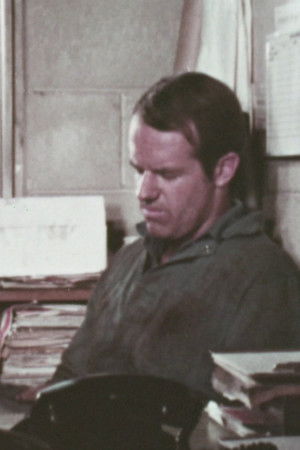


Starting his day in prayer, Rick Thompkins, a Mormon missionary in Europe, pleads for his parents' troubled marriage to heal when his father Jack consults a lawyer about divorce. Back in Utah, the Thompkins' Home Teacher, Jim Slater, asks his Elders Quorum President, Fred Washburn, for release, feeling like he's failing the inactive families for whom he has responsibility. Fred says he will comply, but only if Jim tries one last time.
'The Suicide Squad' is at its best when it focuses on its characters and commentary on real-life issues, but stumbles when it relies too heavily on gratuitous gore and insensitive humor.
The film is a simple love story reminiscent of stories like The Notebook released in 2004. Sylvie and Robert are rarely actually together in the film, however; time and circumstance keep them away from each other, and the audience waits with bated breath to see them find one another over and over.
The gentle, emotional nuances of Evan’s coming-of-age story would have been so beneficial to have incorporated into the life of a POC character. Showing a Black, Asian or Latino young man that is afforded the space to be vulnerable, flawed and sensitive while driving a compelling and widely-loved narrative would have been a game changer.
A Christmas tale that everyone is wishing for, and that everyone will remember.
In 1971, when discussions about how to integrate their school system break down, the community of Durham, North Carolina agrees to bring in Bill Riddick(Babou Ceesay) to conduct a series of summits(charrettes) to help them move forward with desegregation.
What seems like such a simple story of survival is so much more than that—it’s a story of family, and of war, and of destruction. It’s painful to watch, but not in a bad way. It makes its audience reflect on their own actions, and in how they are complicit in the sufferings of others as the adults in this film are. Grave of the Fireflies does not hold back from being heartbreaking, and it shouldn’t. It tells a message that needs to be heard decades after the war, and a story that cannot be forgotten by history.