






Don’t Give Disney a Pat on the Back for Doing the Bare Minimum
Disney has cleverly managed to dance around the misdeeds of their past by scraping by with an insincere action that does very little to incite any long-lasting positive changes.
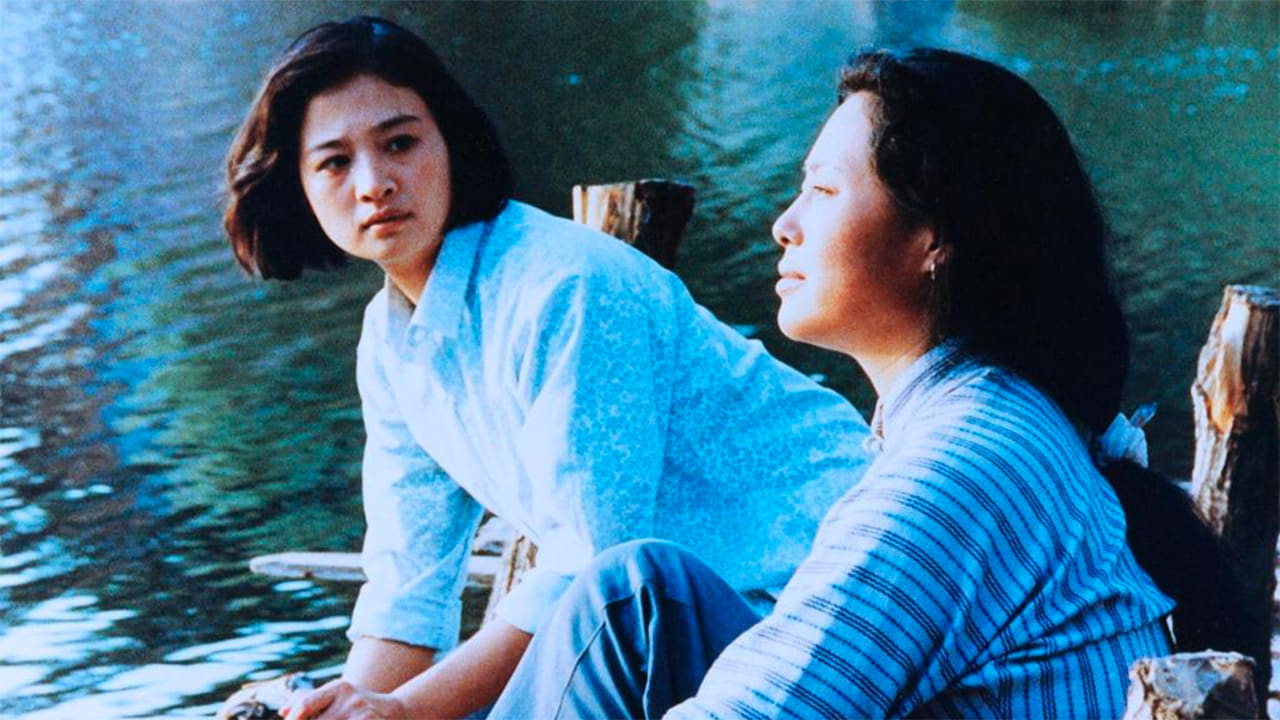



If money can't buy happiness, can it at least buy control over others? Xiang is hard-working, running a small sesame oil business. Her husband is lazy and drinks; her son is blood simple. When Japanese investors provide capital to expand Xiang's business, she has the wealth to raise her social standing and buy a wife for her son, Dunzi. When money and a forceful personality fail to bend others to her will, including daughter-in-law Huanhuan, Xiang must find another way to tranquillity.
Disney has cleverly managed to dance around the misdeeds of their past by scraping by with an insincere action that does very little to incite any long-lasting positive changes.
My Beautiful Laundrette is often referenced as a positive LGBTQIA+ film because our two main characters are in a homosexual relationship with no shame, fear of violence or criticism. The struggle is not their sexuality. It is the treatment of the Pakistani citizens in England.
A story about precarious tricks and unstoppable discipline to inspire young viewers. They'll learn that like any dream, achieving Cloud 9 is possible.
A young woman who dislikes dogs changes forever when a beloved pet comes into her life in this heartwarming story for animal lovers.
Years before Mexican director, Alfonso Cuaron, was winning Academy Awards for movies like Gravity (2013) and Roma(2018), he directed a small, intimate film about two best friends who decide to embark on an improvised road trip to spend time with an older, attractive woman who miraculously agrees to go with them. Y tu Mamá También is a deep journey into the raw sexuality and friendship of the young protagonists, as well as a subtle social and political commentary on Mexico at the time.
Hutch just wanted a family vacation, but chaos follows him everywhere. Nobody 2 is violent, stylish, and over-the-top in the best way possible.