'The Resort': Five Perfect Minutes and Countless Missed Opportunities
The Resort has an excellent climax surrounded by disappointments. Somehow, at a mere 75 minutes, this movie still manages to be 70 minutes too long.




A drama centered around Patty Montanari, the widowed mother of two who went to work for her lover Frank Russo, a captain in a Brooklyn crime family.

Jerry Ciccoritti
Director


Alyssa Milano
Patty Montanari
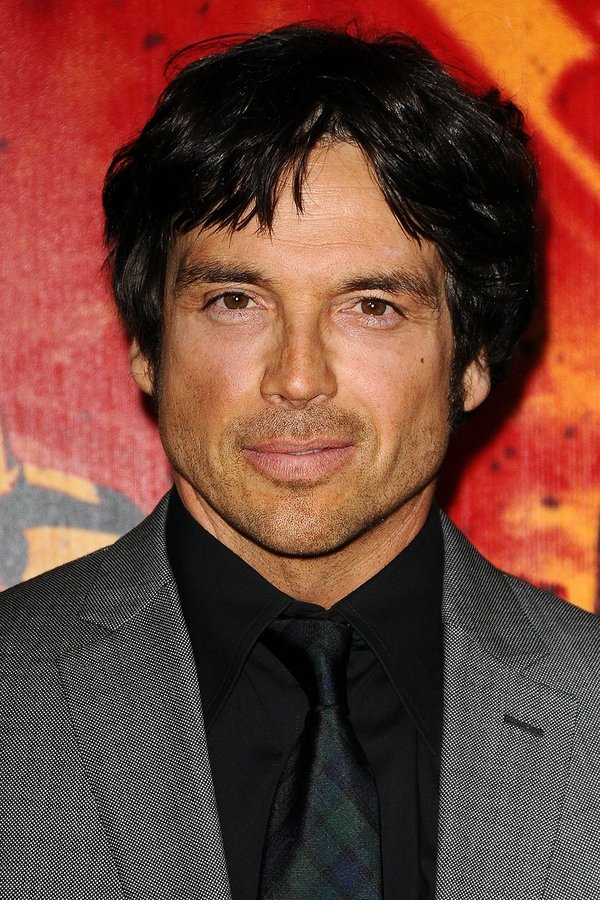
Jason Gedrick
Frank Russo
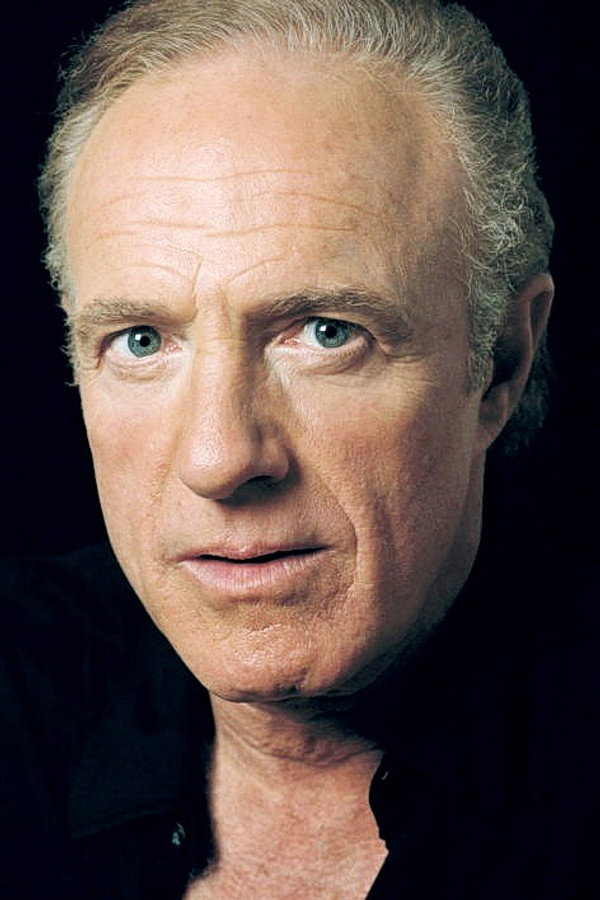
James Caan
Salvatore Palmeri

Janet Wright
Angie - Patty's Mother

Gabriel Hogan
Robert Wilford

Heather Hanson
June
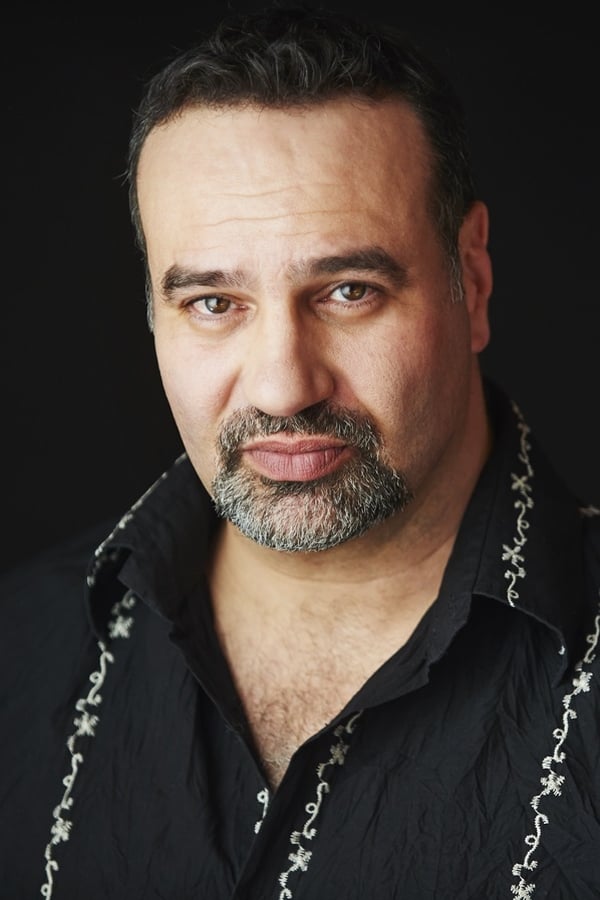
Tony Nappo
Carmine
Alessandro Costantini
Joey Montanari
Kyle Harrington
Nino

Gina Wilkinson
Mary Russo
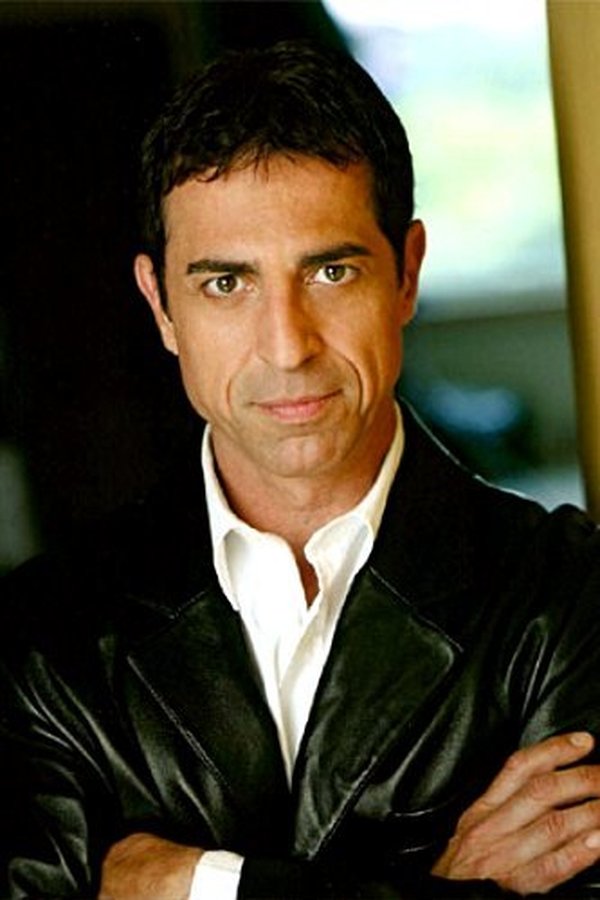
Michael A. Miranda
Jimmy
The Resort has an excellent climax surrounded by disappointments. Somehow, at a mere 75 minutes, this movie still manages to be 70 minutes too long.
"Terrace House" improves on the standard reality TV format by affording its cast privacy, freedom, and respect.
A concert film with original recording of the most iconic event in pop culture in 2023.
This action thriller is made with the hope that the black youth of America will feel empowered, and realize the significance of their heritage.
Another uneven "Guess Who's Coming to Dinner" redux that says nothing novel about its subject matter.