
A Haunting Portrayal of Motherhood in "The Lost Daughter"
'The Lost Daughter' doesn't paint over the choices Leda and Nina make as mothers as right or wrong but examines the messy in-between.
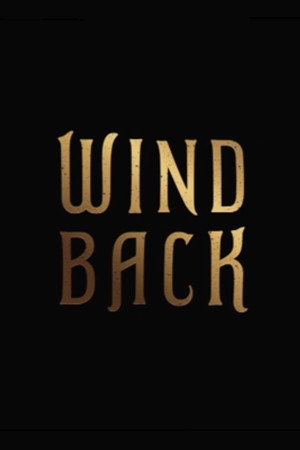


When a mother of a young boy dies suddenly but expectedly, the father goes to great lengths to keep her alive with the son. He records hours of her talking, builds a machine in her bedroom that plays the recording, and hammers the door shut. As the boy grows up, he gets to have a relationship with his mother, who he thinks is a door. The door is as much of a parent as his father, as they play together, eat together, and celebrate holidays together. As the boy grows older, and after he sees his date confused by the arrangement, he grows suspicious. When the father dies, he destroys the door and sees the machine for the first time. He turns it off. Years pass. The boy, now an old man, returns to his childhood home. He turns on the machine and fixes the door. He sits at the door and talks to his mother for the first time in years, and possibly the last time ever.
'The Lost Daughter' doesn't paint over the choices Leda and Nina make as mothers as right or wrong but examines the messy in-between.
At first glance, Black as Night is a strange title choice for a film about vampirism in post-Katrina New Orleans. However, the title alludes to the world's anti-black and colorist messages.
This film was filled with great plot points. Unfortunately, they all contradicted each other and clashed. Had the premise of Awake been more consistent and accurately portrayed the real world aspect, I think this could have been an extreme success.
Jordan Peele’s film is an intelligent and unflinching piece of work, firmly focused on the African American experience.
This Christmas movie gives viewers a friendship that unexpectedly forms from a plane trip.
Here are some of our picks for inclusive Black love stories in film and media. We hope you enjoy these tender love stories and beautiful depictions.