




Diversity Programming At The Austin Film Festival
Coverage from the Austin Film Festival, highlighting some panels and films that emphasized the importance of diverse and inclusive storytelling.
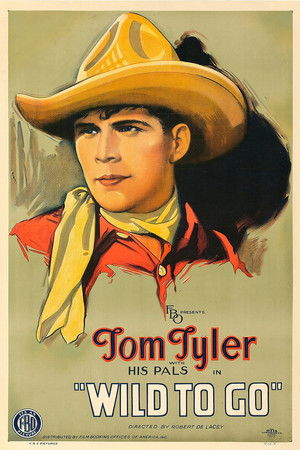


Tom Blake, en route to the bank to draw money to pay off the mortgage for Felton, his boss, is intercepted by Trumbull, acting for Purdy (who holds the mortgage). Blake escapes and swims ashore to a private school for girls. There he meets Marjorie, Felton's daughter, and on their way to the ranch they are kidnapped by Trumbull and taken to a deserted cabin.
Coverage from the Austin Film Festival, highlighting some panels and films that emphasized the importance of diverse and inclusive storytelling.
Sing 2 the beat in this jukebox sequel featuring anthropomorphic animals with musical talent.
If Top Gun needed to say it, Top Gun: Maverick makes you feel the need... the need for speed.
'Zombieland: Double Tap' was entertaining and fun at times, but not very evolved. It had poorly developed female characters and stereotypical characters of color.
This incarnation of Animal Farm is filled with the generic plot points, immature humor, cardboard characters and visual flaws that you have come to know from today’s lesser children’s films.
While not everyone may relate to the circumstances Danielle finds herself in in 'Shiva Baby', some are sure to understand her struggles as she is scrutinized for being a woman, a college student, an LGBT person, and a sugar baby.